What to See at Hangzhou Safari Park (Areas & Animals)
Hangzhou Safari Park is divided into two main visiting areas: the Walking Area and the Driving Area. Each area features distinct zones and animal species, offering unique experiences for visitors.
Hangzhou Safari Park Walking Area
The Walking Area has flat, accessible paths suitable for visitors of all ages to explore on foot. It includes 10 major animal-themed exhibition zones and 2 performance theaters, where guests can get up close to small and medium-sized animals and enjoy live shows.
- Colorful South America Zone: Opened in 2025, this newest zone recreates a rainforest habitat and is home to nearly 20 South American animal species, including red-faced spider monkeys (a rare primate in China), capybaras, toucans, and anteaters. Animals live in mixed-species enclosures for natural interaction.
- Chinese National Treasure Area: Houses giant pandas, China’s first-class protected animals. Visitors can observe pandas eating, playing, and resting in a comfortable, naturalistic environment.
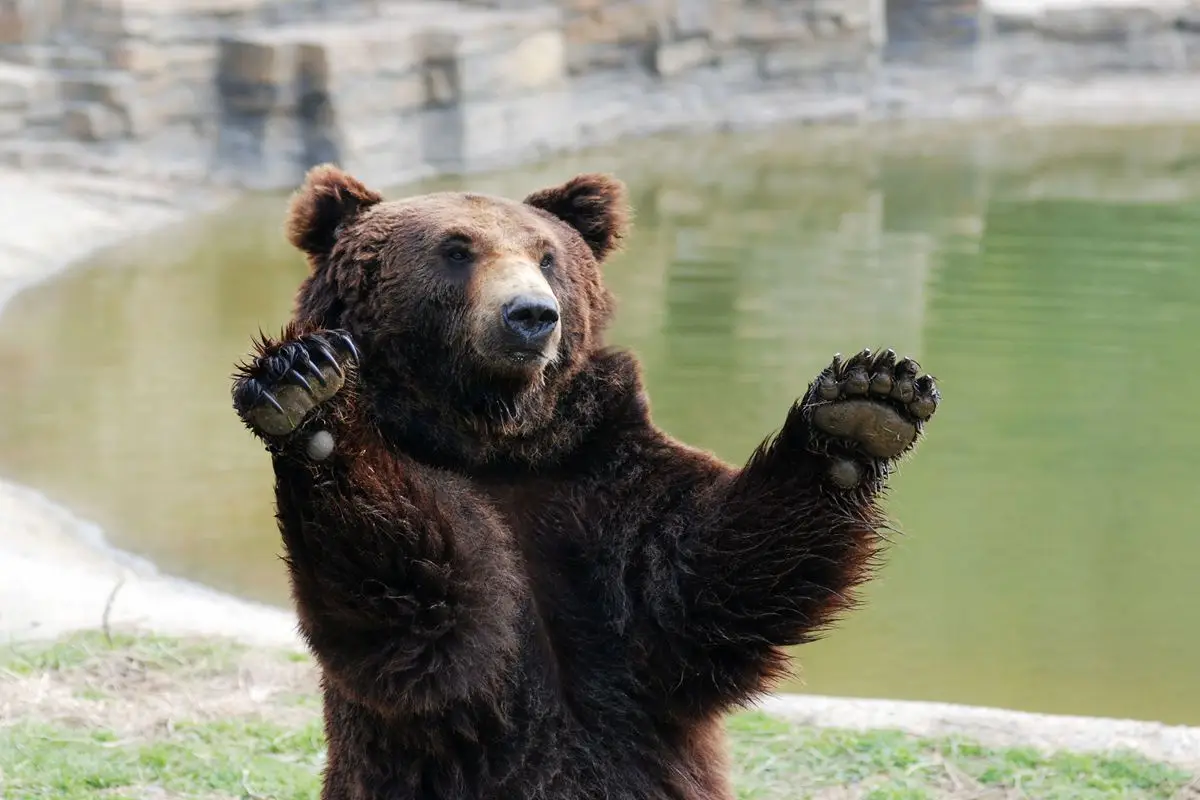
- Predator Danger Zone: Features fierce animals such as white tigers, lions, and brown bears. Safe viewing platforms allow visitors to observe these predators up close without risk.
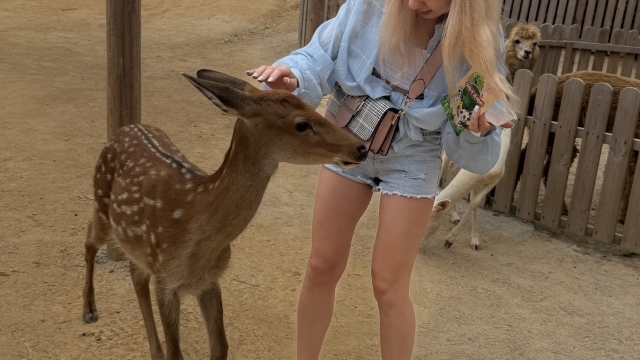
- Cute Pet Park: A family-friendly area with alpacas, small otters, black-capped squirrel monkeys, and parrots. Some animals are available for interactive feeding (follow park guidelines).
- Animal Kindergarten: A space for newborn animal babies. During scheduled "Animal Baby Class" sessions, visitors can watch the daily care and caregiver-animal interactions.
- Other Zones: Parrot Square, Reptile Corridor, African Tribe, African Monkeys, Swan Lake, and Samba Elf Tribe.
Forest Theater and Happy Theater host regular performances, including animal behavior shows and children’s plays (see Section 4.2 for show times).
Hangzhou Safari Park Driving Area
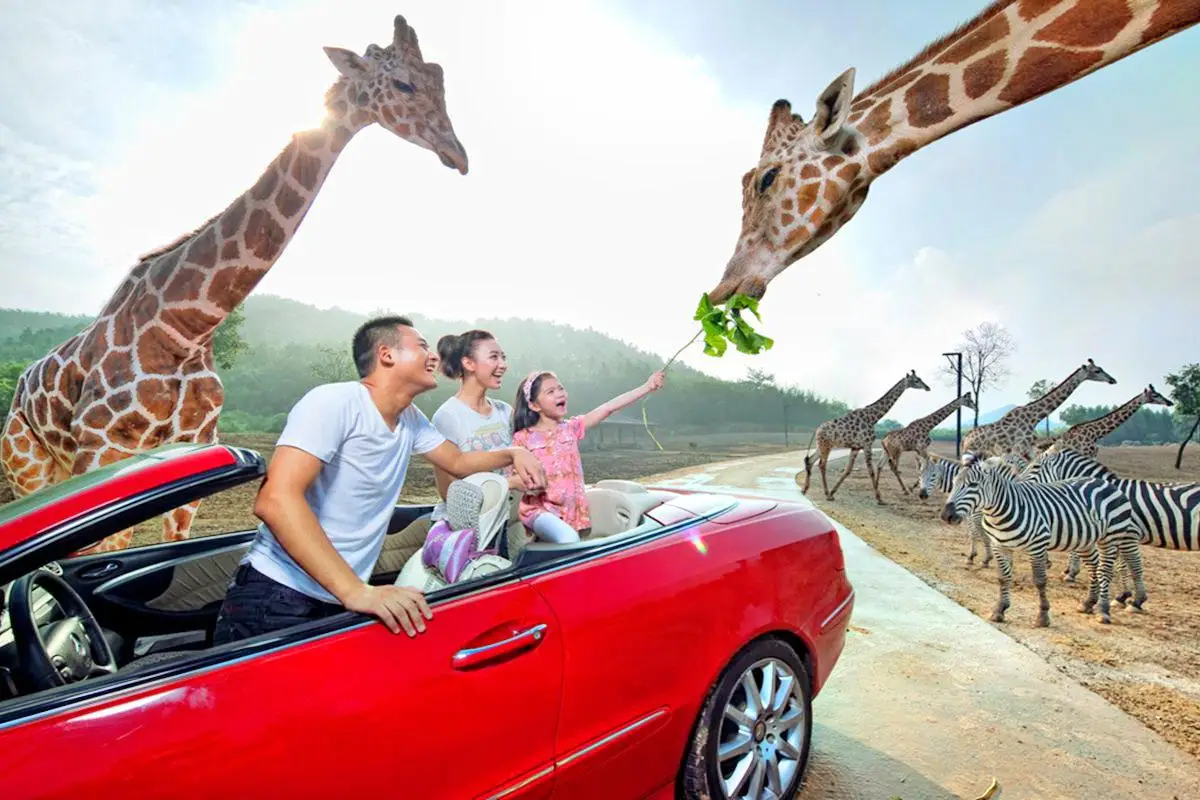
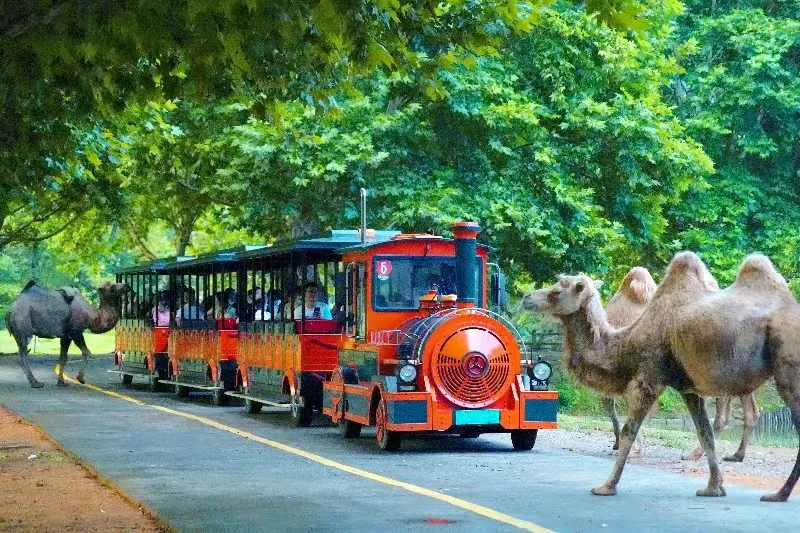
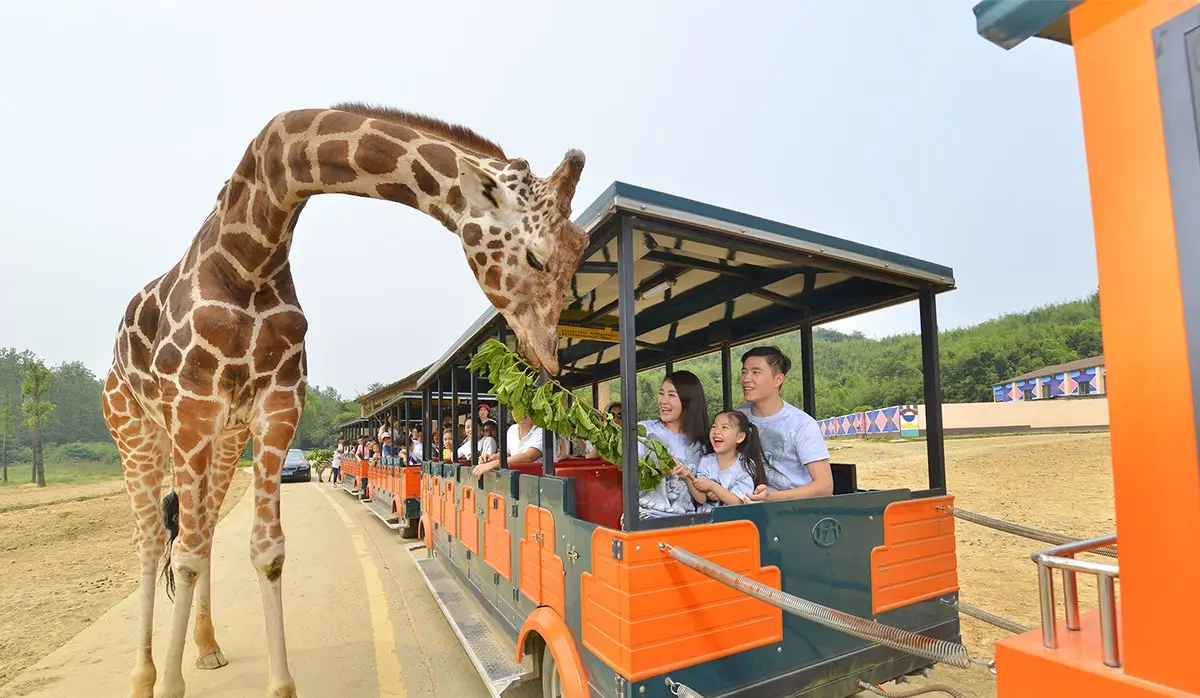
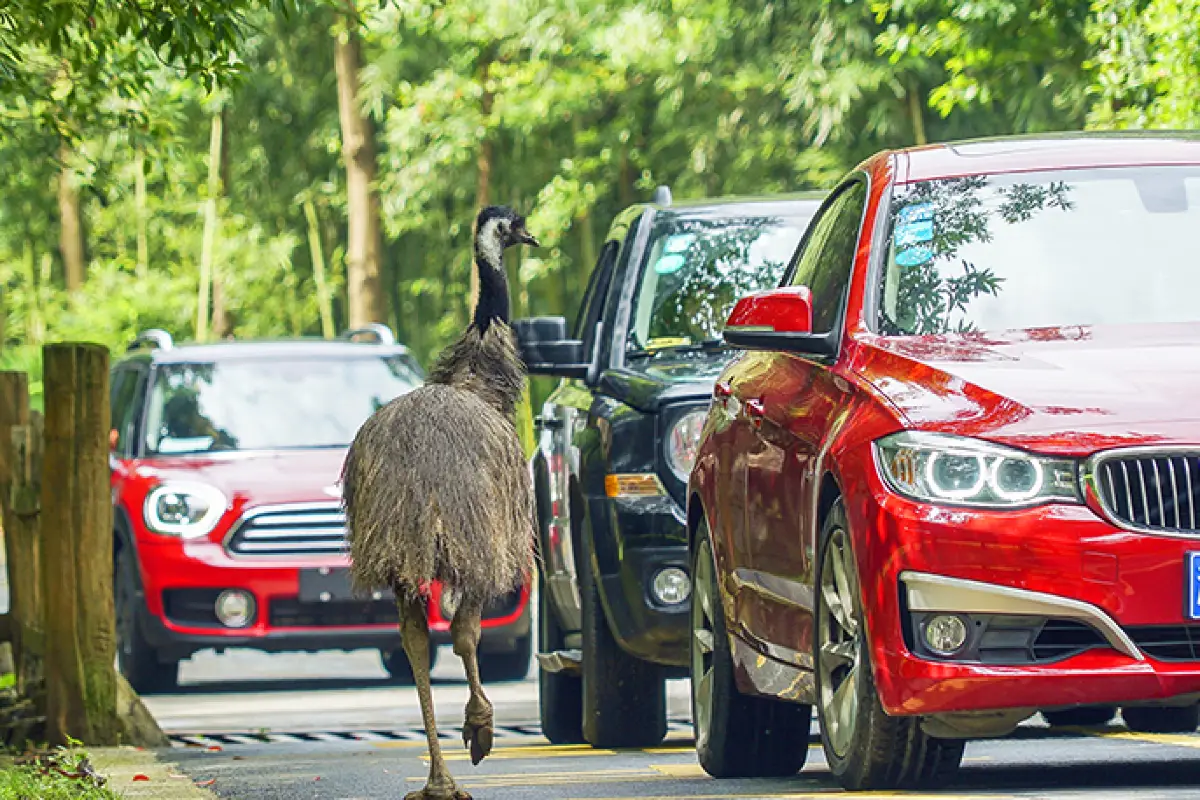
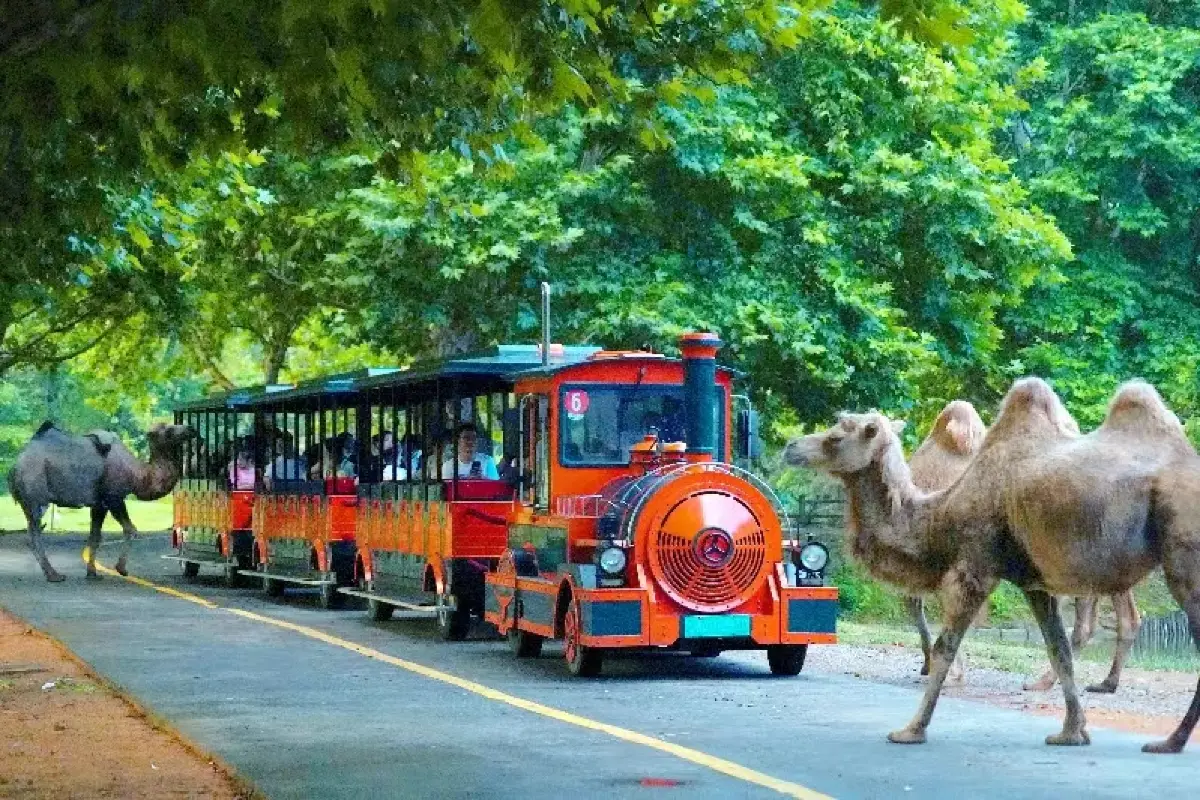
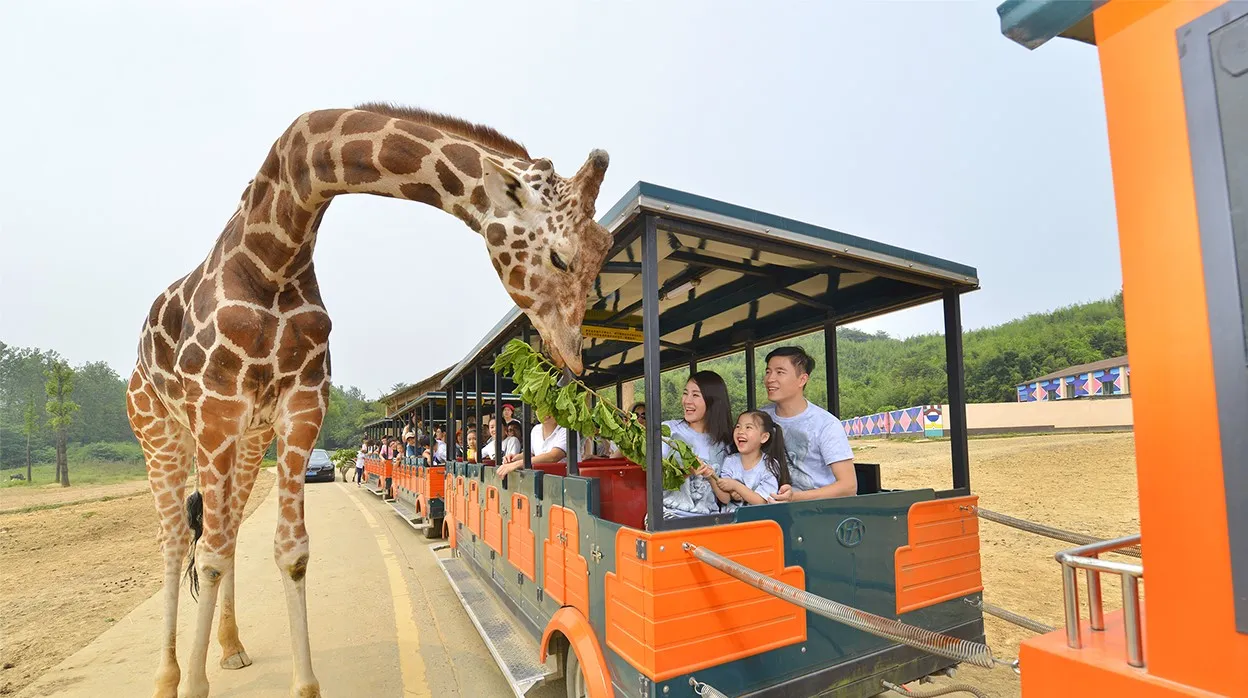
The Driving Area is a large zone that simulates natural habitats for animals from different continents. Visitors can drive their own cars (with an additional vehicle ticket) or take the park’s free small train to tour the area, enjoying an immersive wildlife viewing experience.
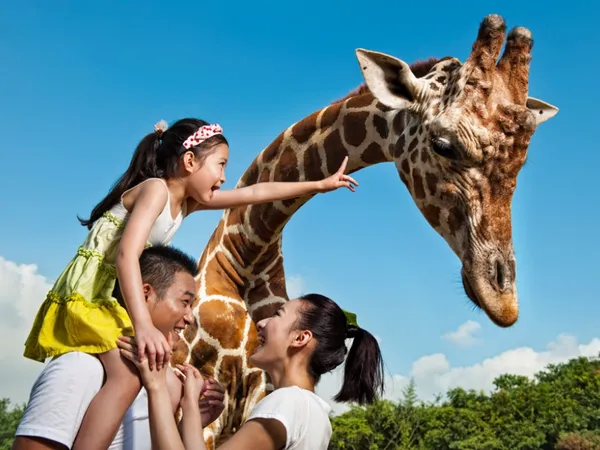
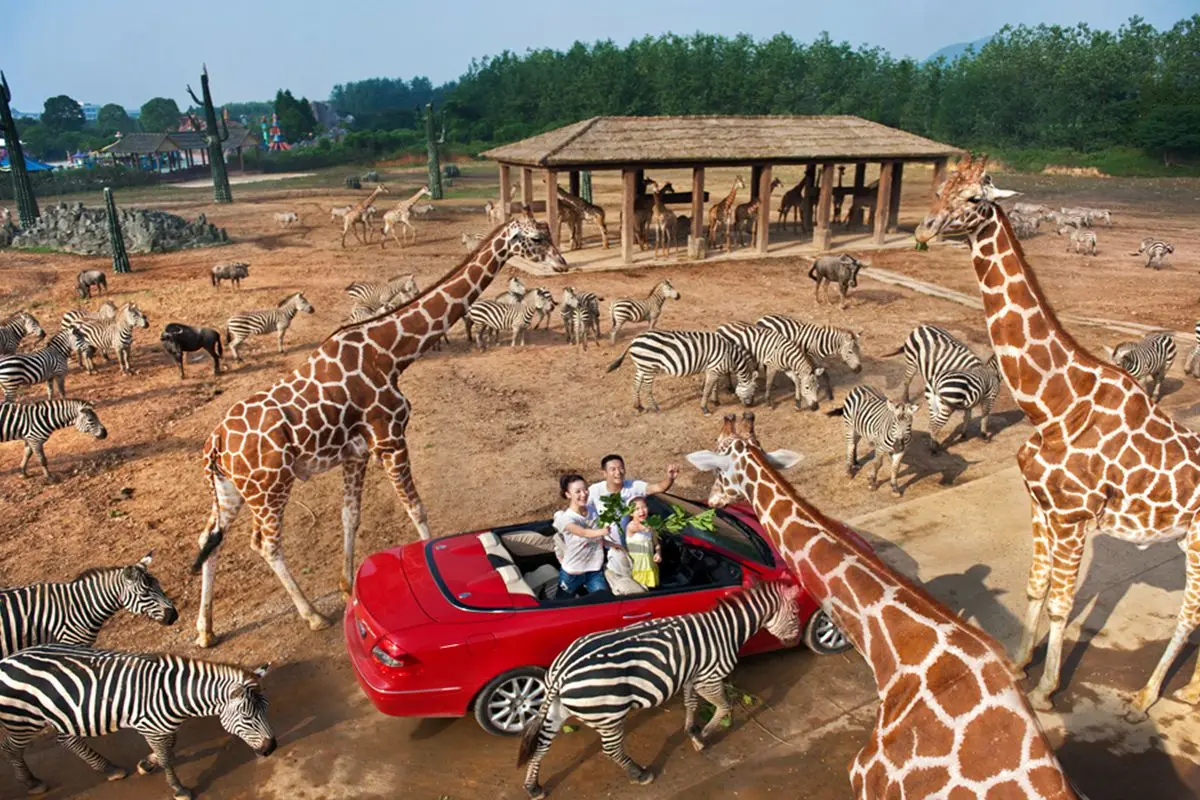
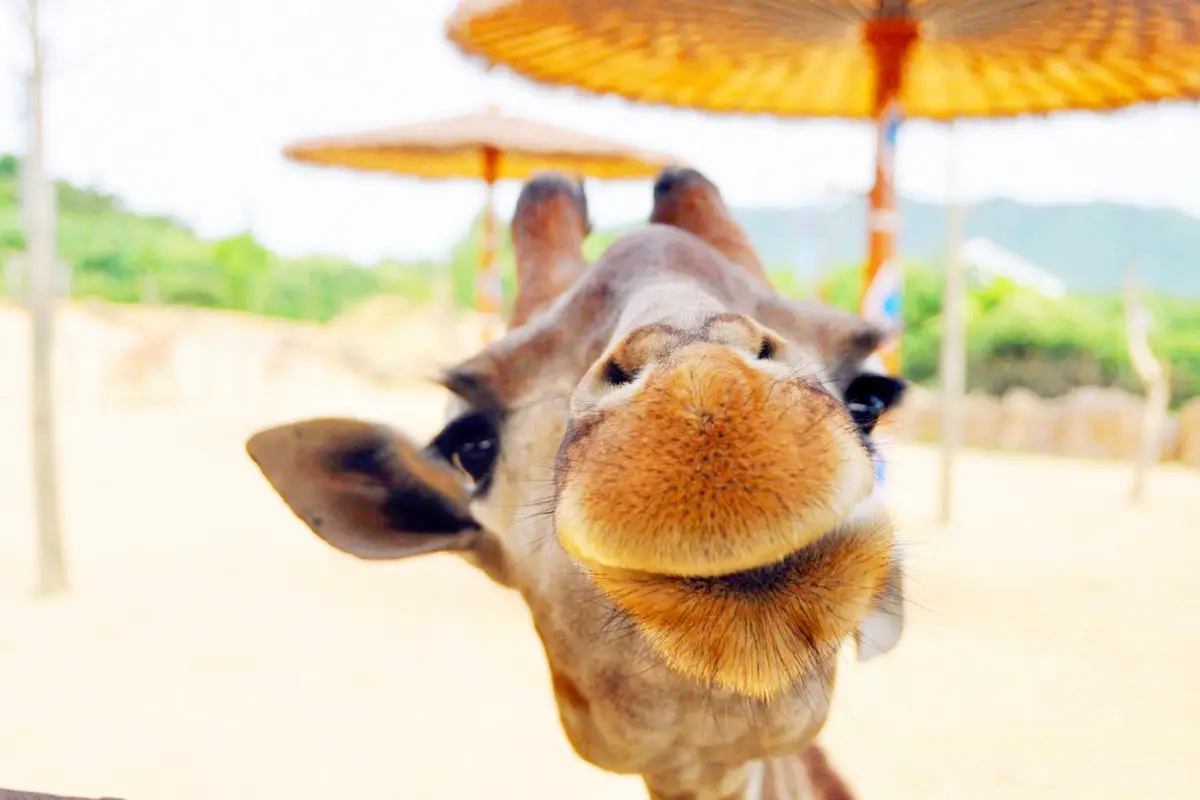
- African Savanna: Home to giraffes, zebras, antelopes, and other herbivores. Giraffes may even lean their heads into car windows for an up-close view.
- Australian Wilderness: Features kangaroos, emus, and other unique Australian animals, letting visitors experience the Australian outback.
- Qinghai-Tibet Plateau: Houses wild yaks, Tibetan antelopes, and other high-altitude adapted animals.
- Asian Grassland: Contains horses, camels, and other Asian herbivores, plus some carnivores like tigers and lions that roam freely in designated areas.
Hangzhou Safari Park Map & Recommended Routes
Hangzhou Safari Park Map Overview
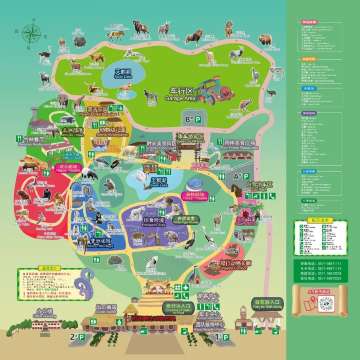
The park map is available for free at the main gate (information desk) and can also be downloaded from the official website or official WeChat mini-program. The map clearly marks the locations of all exhibition zones, theaters, rest areas, dining areas, toilets, and parking lots. The Walking Area is located near the main gate, and the Driving Area is on the west side of the park (visitors can take the small train from the Walking Area to enter the Driving Area).
Hangzhou Safari Park Recommended Routes
The park is large, and it is recommended to arrange your route in advance to avoid missing key attractions. Below are two practical routes for different needs:
Route 1: Efficient Tour (Suitable for Visitors with Limited Time)
- Main Gate → Predator Danger Zone (watch White Tiger Class if time permits) → Chinese National Treasure Area (see giant pandas)
- Take the free small train to tour the Driving Area (about 40 minutes) → Return to Walking Area
- Cute Pet Park (interact with small animals) → Colorful South America Zone (visit the newest zone)
- Forest Theater (watch the show at the scheduled time) → Rainforest Food Plaza (dine and rest)
- Swan Lake (watch Bird Release Show if time permits) → Parrot Square → Exit the park
Route 2: Family-Friendly Tour (Suitable for Families with Children)
- Main Gate → Animal Kindergarten (watch Animal Baby Class) → Cute Pet Park (feed small animals)
- Parent-Child Playground (children play) → African Tribe (feed giraffes)
- Rainforest Food Plaza (dine and rest) → Take the free small train to tour the Driving Area
- Happy Theater (watch children’s play) → Colorful South America Zone → Swan Lake
- Souvenir Shop (buy souvenirs) → Exit the park
How to Get to Hangzhou Safari Park
Method | Key Route | Time | Cost |
|---|
Hangzhou Metro + Free Shuttle | Line 6 to Wildlife Park East Station → free shuttle bus to main gate | 60–90 mins | ¥3–5 |
Bus | Routes 314, 504, 514, 646, 647M to nearby stops | 90–120 mins | ¥2–5 |
Self‑driving | Navigate to Hangzhou Safari Park | 40–60 mins | Parking ¥30/time; drive‑in ticket ¥220/vehicle |
Taxi / Ride‑hailing | Direct to main gate drop‑off area | 40–60 mins | ¥100–150 from downtown |
Get to Hangzhou Safari Park by Subway + Shuttle
This is the most recommended transportation method for most visitors. Take Subway Line 6 (towards Fuyang direction) and get off at Wildlife Park East Station. After exiting the station, you can take the free subway shuttle bus provided by the park to the main gate. The shuttle bus operates from about 9:00 to 16:10, with a frequency of 15-20 minutes per trip. The subway fare ranges from 3 to 5 yuan, depending on your starting station. The entire journey takes about 60-90 minutes from downtown Hangzhou (e.g., from East Hangzhou Railway Station to Wildlife Park East Station takes about 40 minutes by subway, plus 10 minutes by shuttle bus).
Note: The shuttle bus stop is located at the exit of Wildlife Park East Station (Exit A), and there are obvious signs guiding visitors. If you miss the shuttle bus, you can take a taxi to the park (about 10 yuan, 5 minutes).
Get to Hangzhou Safari Park by Bus
There are multiple bus routes connecting downtown Hangzhou and Fuyang District to the park. The specific routes are as follows:
- From Downtown Hangzhou: Take Bus 314, 504, or 514, get off at Ziyun Villa Station, then take the park’s free shuttle bus to the main gate. These buses operate from 05:30 to 22:45, with a frequency of 40 minutes per trip. The fare is 3-5 yuan, and the journey takes about 90-120 minutes.
- From Fuyang District: Take Bus 314, 646, or 647M, get off directly at Safari Park Station. These buses operate from 04:15 to 18:00, with a frequency of 40 minutes per trip. The fare is 2-5 yuan, and the journey takes about 20-40 minutes (depending on your starting point in Fuyang).
Note: Bus schedules may change slightly; you can check the real-time schedule on the "Hangzhou Public Transport" app before taking the bus.
Get to Hangzhou Safari Park by Self‑driving
Self-driving is a good choice for families with children or groups, as it allows for more flexibility. Use navigation software to search for "Hangzhou Safari Park" (No.1 Jiulong Avenue, Hangfu Road), and follow the navigation instructions to reach the park. The specific routes from different directions are as follows:
- From Downtown Hangzhou: Take Hangzhou Ring Expressway, exit at Zhuantang, then drive along Yunxiang Tunnel, Yunchuang Tunnel, and Jinjialing Tunnel for about 15 minutes, turn right at Jiulong Avenue Intersection, and you will reach the park.
- From Fuyang Direction: Start from Enbo Avenue, drive along Shoujiang Tunnel for about 15 minutes, turn left at Huxiaoxing Tunnel Entrance, continue along Kechuangyuan No.1 Road to Jiulong Avenue Intersection, turn left, and you will reach the park.
Get to Hangzhou Safari Park by Taxi / Ride‑hailing
Taking a taxi or Didi is the most convenient but most expensive transportation method. Directly input "Hangzhou Safari Park Main Gate" into the taxi or Didi app, and the driver will take you directly to the destination. The approximate cost and time are as follows:
- From Hangzhou Railway Station (Chengzhan): About 109 yuan, 60 minutes.
- From Fuyang New Bus Station: About 50 yuan, 20 minutes.
- From Hangzhou Xiaoshan International Airport: About 180 yuan, 90 minutes.
Note: The cost and time are for reference only, and may vary due to traffic jams and other factors.