10 Best Things to Do in Hangzhou - Attractions & Activities

Hangzhou, the capital of Zhejiang Province, is one of China’s seven ancient capitals and was once the capital of the Song Dynasty. Steeped in history and culture, it was praised by the famous Italian traveler Marco Polo in the 13th century as “the best and most luxurious city in the world.” Hangzhou promises an unforgettable journey from the tranquil allure of West Lake to the fascinating traditions of tea-making. Here are 10 things to do in Hangzhou to enjoy this charming city.👀

West Lake (Xi Hu)
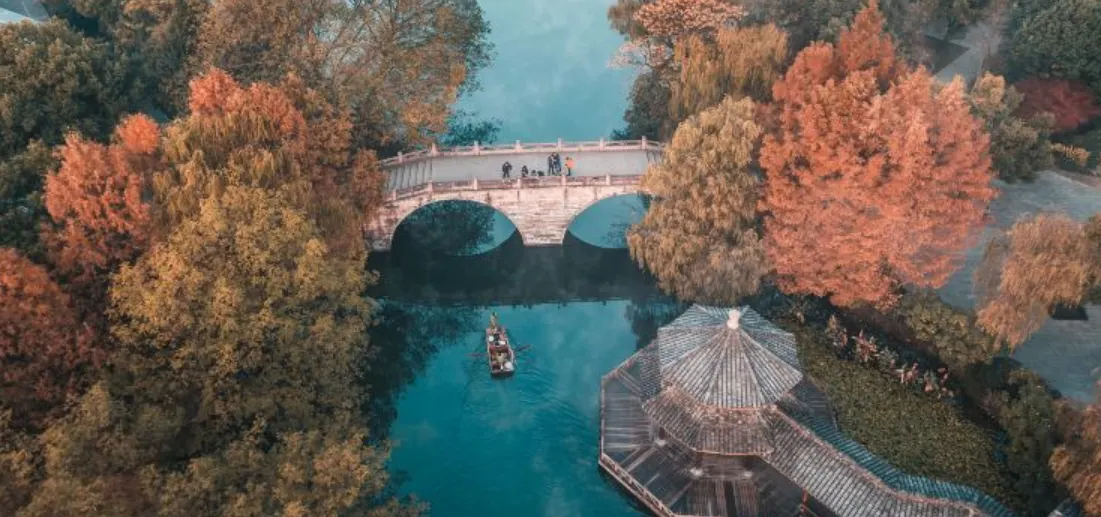
No visit to Hangzhou is complete without a stroll around West Lake. The lake's serene waters, lined with willow trees, lotus flowers, and traditional pagodas, have inspired poets, painters, and philosophers for centuries.
Folk Tales about West Lake
The legend of The Legend of the White Snake, one of China's most famous folk tales, is said to take place here. According to the story, a young man named Xu Xian falls in love with a beautiful woman who is actually a snake demon in disguise. Their love faces challenges from both human and supernatural forces, but it’s believed that West Lake’s tranquil setting helped them navigate their trials.
What you can do in West Lake
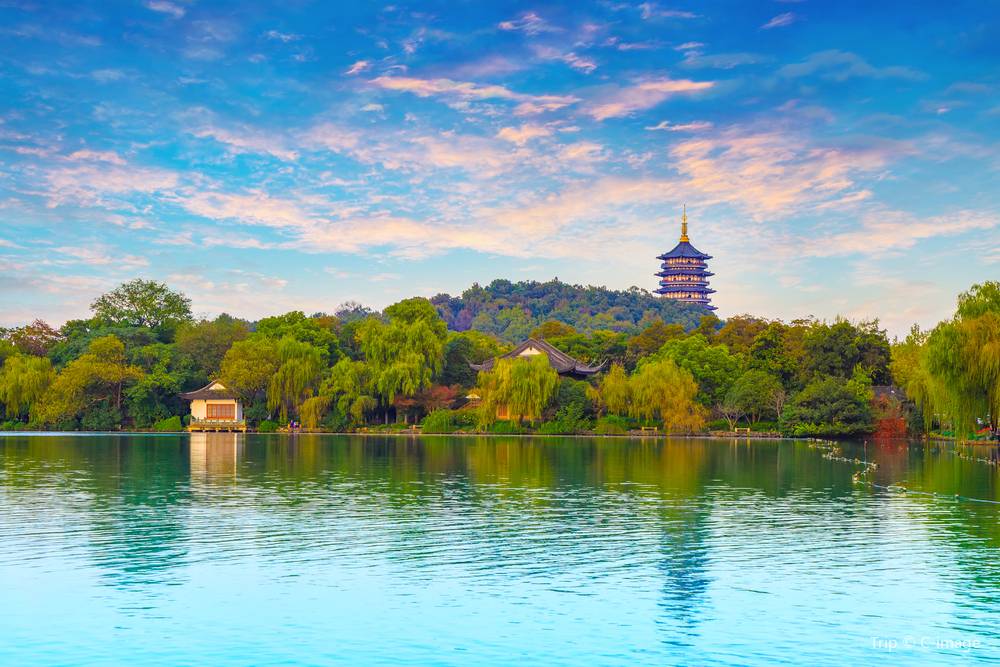
Beyond the natural beauty, West Lake has several iconic landmarks, including Broken Bridge, Leifeng Pagoda, and Su Causeway. It’s a place where you can boat, walk, or cycle, immersing yourself in both nature and the historical stories that permeate the area.
Lingyin Temple (灵隐寺)
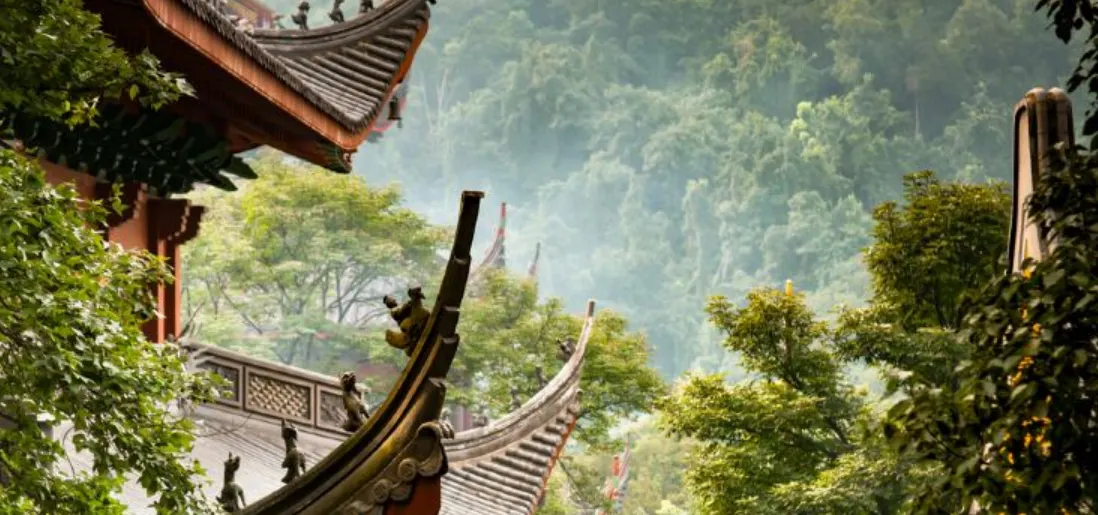
Lingyin Temple is one of the oldest and most famous Buddhist temples in China, with a history that dates back over 1,700 years. It’s a place steeped in tranquility and spiritual significance, nestled in the mountains just outside Hangzhou. The temple is dedicated to Vairochana Buddha, symbolizing the light of wisdom.
The Story Behind Linyin Temple
According to legend, Hui Li, a traveling monk from India, arrived in Hangzhou and discovered this idyllic valley. He meditated here and was so moved by the peaceful surroundings that he built Lingyin Temple. Over time, the temple became a spiritual hub for monks and travelers alike. Visitors can explore stunning Buddha statues, intricate carvings, and lush, green surroundings that are perfect for reflection and peace.
What to explore for Linyin Temple
The temple complex houses the famous Feilai Feng Grottoes, where ancient Buddhist sculptures are carved into the rocks. The grottoes, dating back to the 10th century, are some of the most fascinating in China, blending religion with art and nature.

Leifeng Tower
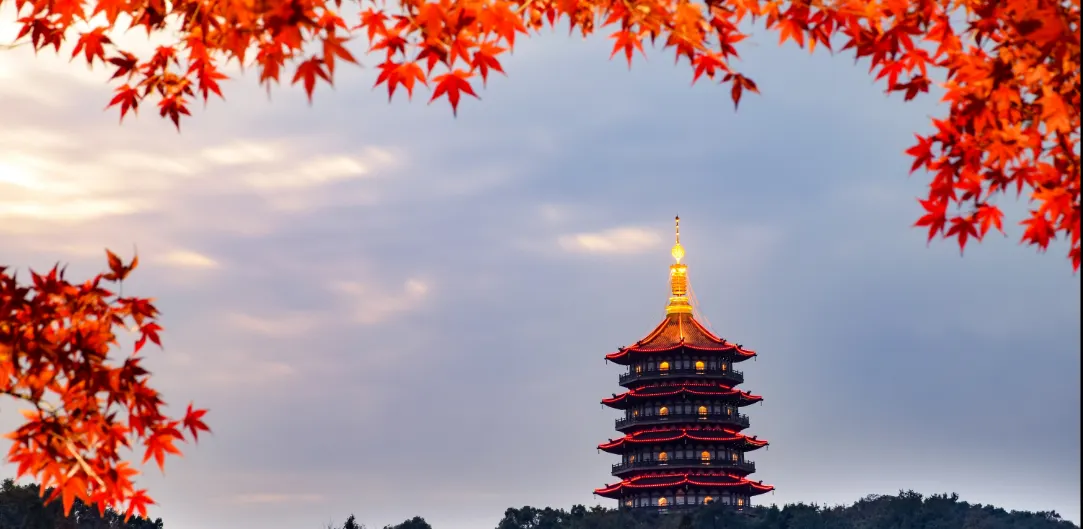
Leifeng Tower, standing proudly on the southern bank of West Lake, is one of Hangzhou’s most iconic landmarks. With its striking architecture and panoramic views of West Lake, it’s an essential stop for anyone visiting the city. The tower has a deep connection to The Legend of the White Snake, one of the most famous folk tales in Chinese culture.
Folk Tale of Leifeng Tower
The White Snake Legend tells the tale of Madam White Snake, a beautiful woman who is actually a snake demon. She falls in love with Xu Xian, a young scholar, and they marry, but their love faces opposition from the monk Fa Hai, who believes that a human and a demon should never be together. The legend reaches its dramatic climax at Leifeng Pagoda, where Madam White Snake is trapped by Fa Hai. It’s believed that the pagoda is where Madam White Snake was sealed away for eternity, and the tragic love story has inspired countless retellings in opera, literature, and film.
What to explore for Leifeng Tower
Leifeng Tower has undergone several reconstructions over the centuries. The most recent, in 2002, was aimed at preserving its historical charm. Visitors can climb to the top of the pagoda for stunning views of West Lake and the surrounding scenery. It’s not only a place of historical and cultural significance but also a place to reflect on the beauty of the enduring love story between Xu Xian and Madam White Snake.

Longjing Tea Fields
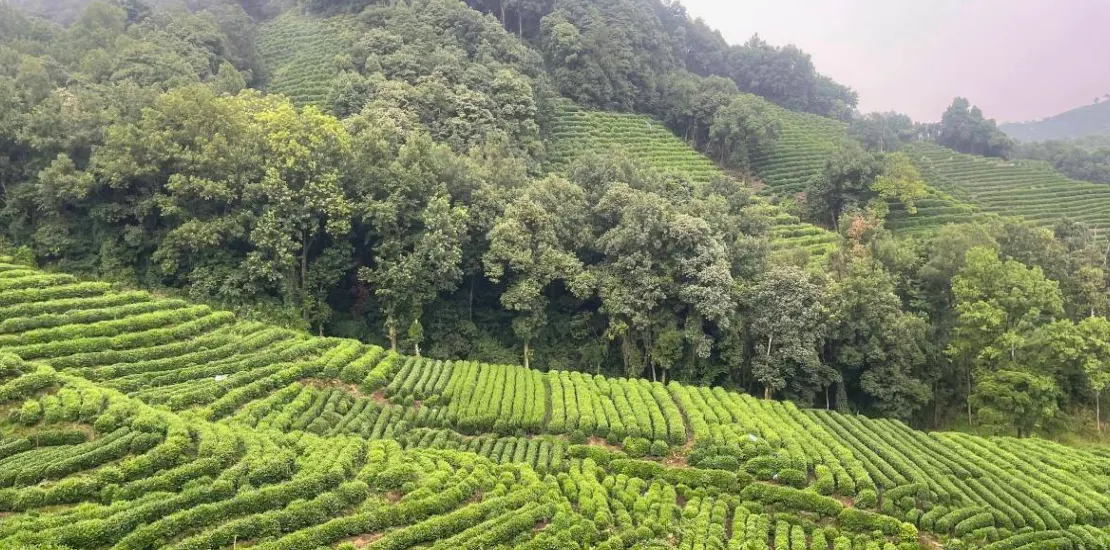
Hangzhou is the birthplace of Longjing tea, or Dragon Well tea, which is one of China’s most famous green teas. The tea fields on the outskirts of the city offer a beautiful view of the lush, green landscape while introducing visitors to the ancient tradition of tea cultivation.
The Story Behind Longjing Field
Longjing tea was historically reserved for the emperors, who believed in its magical healing properties. Legend has it that the tea leaves were originally discovered when a monk saw a dragon rise from the well water near the tea plants. The tea leaves supposedly gained their name from this mythical dragon encounter, symbolizing strength and purity.
How to enjoy Longjing Field
You can tour the tea fields, experience the tea-picking process, and even participate in a traditional tea ceremony. Visitors can enjoy the fresh tea straight from the source and learn about the art of tea-making in Hangzhou, a practice that has been passed down for generations.

Qinghefang Ancient Street
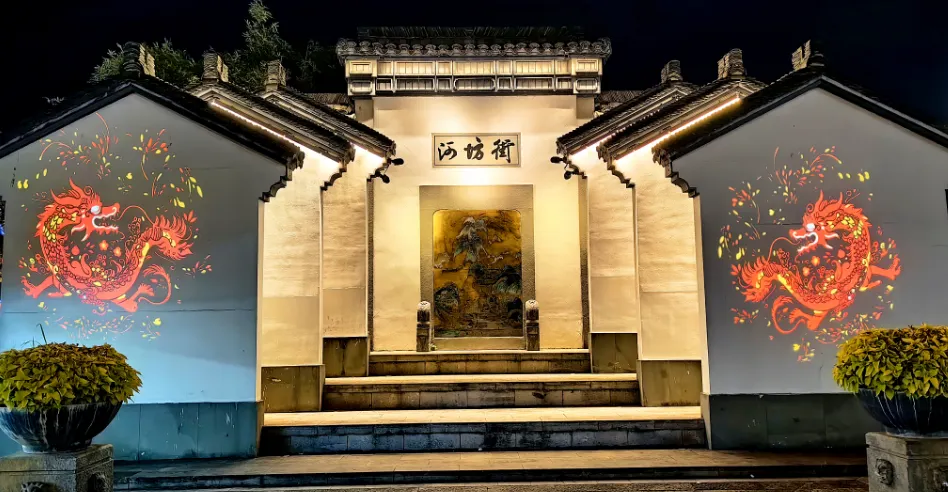
Step back in time with a stroll down Qinghefang Ancient Street, a well-preserved historic district in Hangzhou that showcases the charm of the city’s past. The street is filled with traditional Chinese architecture, shops selling local crafts, and restaurants offering Hangzhou delicacies.
Ancient Story Behind
This area has been a trading hub since the Tang Dynasty (618–907), and over the centuries, it has remained a center of commerce, culture, and local life. It’s a place where you can still feel the echoes of ancient Hangzhou, with vendors offering everything from silk goods to porcelain, and sweet treats like beggar’s chicken—a dish wrapped in clay and baked.
What you can find in there
The street provides a rare glimpse into the old-world charm of Hangzhou, with tea houses, traditional medicine shops, and even ancient calligraphy exhibitions. It’s a lively place to see the fusion of history and modern life, with the lively atmosphere adding to the excitement of the experience.

The Pagoda of Six Harmonies (Liuhe Pagoda)
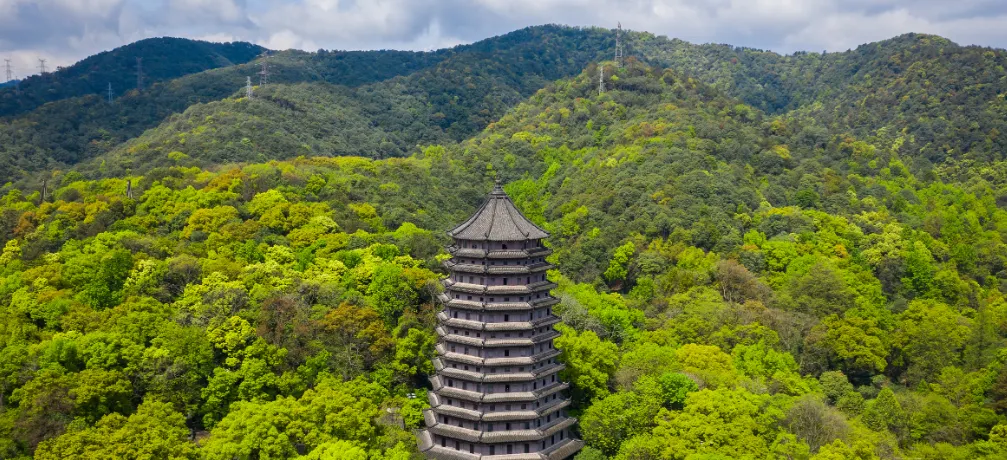
The Pagoda of Six Harmonies stands tall on the banks of the Qiantang River and offers a breathtaking view of the city and surrounding landscapes. Built in the 10th century during the Southern Song Dynasty, it’s one of the most iconic landmarks in Hangzhou.
History of Liuhe Pagoda
The pagoda was originally constructed to hold the power of the river, preventing destructive floods. Its six harmonies represent the unity of the Buddhist teachings, making it a symbol of spiritual and physical harmony. The pagoda’s architecture is an excellent example of ancient Chinese construction techniques, designed to withstand the fierce winds of the river.
How to explore Liuhe Pagoda
Climbing to the top of the pagoda rewards visitors with sweeping views of the river and surrounding hills. It’s also a great spot to learn about Hangzhou’s ancient architecture and to take in the peaceful ambiance.

Tea Culture Experience

Tea culture in Hangzhou is much more than just a beverage—it’s an experience steeped in centuries of tradition. Visitors can delve into the art of tea-picking, tea-making, and tea-tasting, which is an essential part of the Hangzhou lifestyle.
History of Hangzhou Tea
Hangzhou’s tea culture dates back to the Tang Dynasty when the city was at the forefront of Chinese tea trade. Over time, tea became a symbol of refinement, with elite scholars and officials engaging in elaborate tea ceremonies. The production of Longjing tea in the region is particularly special due to its rich flavor and high quality.
How to enjoy Hangzhou Tea
Visitors can head to the Longjing Tea Village, where they can not only sample different kinds of tea but also understand the meticulous process of harvesting and processing tea leaves. Tea ceremonies in Hangzhou are an artistic affair, often performed with quiet grace and reverence, allowing visitors to appreciate the full history and elegance of the practice.

Xixi National Wetland Park

A serene contrast to the bustling city life, Xixi Wetland Park is one of the few urban wetlands in China. It is a quiet and picturesque escape filled with waterways, lotus ponds, and unique wildlife.
About Xixi Wetland Park
Xixi Wetland is considered a cradle of Hangzhou's ancient history. As early as the Southern Song Dynasty, it was a place for scholars to come and retreat into nature for meditation and writing. The wetland’s waterways were once used for transportation, and it played a significant role in the city’s economic development.
What to do in Xixi Wetland Park
A boat ride through Xixi is a must-do for nature lovers, as the park is a haven for migratory birds and plant species. Visitors can also learn about the park’s role in preserving Hangzhou’s natural ecosystem and explore traditional water villages.

Song Dynasty Town
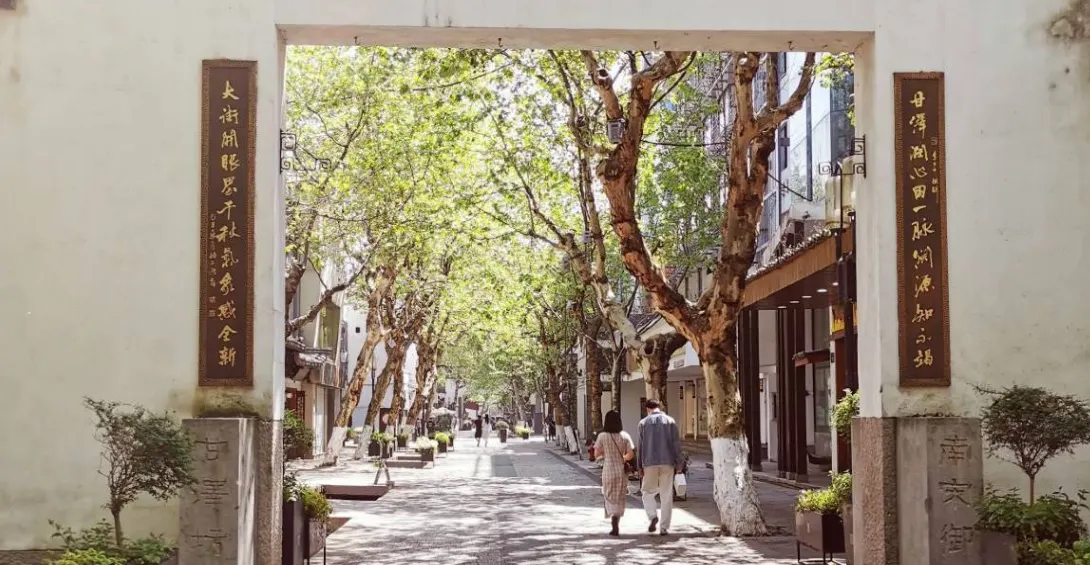
Step into the Song Dynasty and experience life as it was over 1,000 years ago at Song Dynasty Town. This theme park recreates the culture, art, and architecture of the time, offering an immersive experience of ancient China.
About Song Dynasty Town
The Song Dynasty was a period of great cultural and technological advancements. Hangzhou, during this era, was China’s capital, a hub of innovation, art, and commerce. The town’s attractions include traditional performances, such as tea ceremonies, martial arts, and even cultural games from the Song period.
What to Do in Song Dynasty Town
Visitors can participate in hands-on activities like painting, pottery making, and traditional Chinese calligraphy, or simply enjoy the lively performances that bring the past to life.

China National Silk Museum
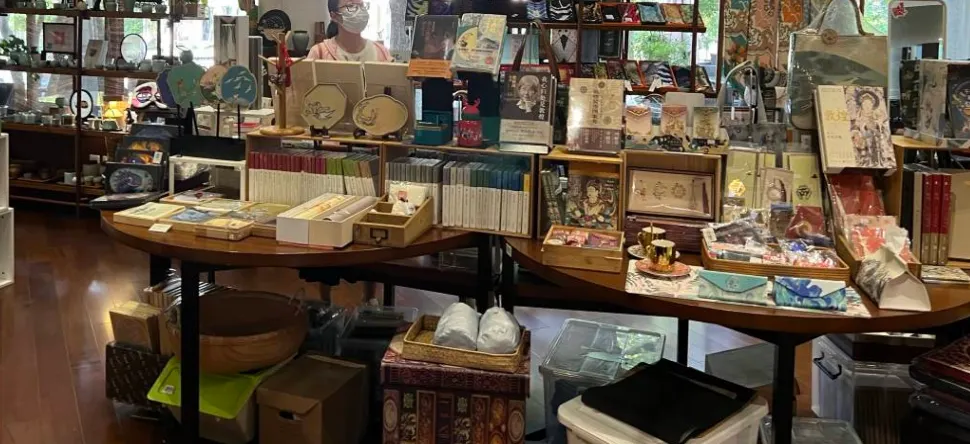
As one of the most important museums in China, the China National Silk Museum is dedicated to the history and artistry of Chinese silk. With Hangzhou being historically famous for its silk trade, this museum offers an in-depth look at the evolution of silk production, from ancient times through to the modern era.
About China National Silk Museum
Hangzhou has been a hub for silk production for over 2,000 years, and it was once a central part of the Silk Road trade network. The museum showcases the fascinating process of silk-making, from the raising of silkworms to the delicate weaving of fabric. You can see exquisite displays of ancient silk garments, embroidered textiles, and luxurious silk pieces that once adorned emperors and elites across Asia.
Things to do in China National Silk Museum
Visitors can learn about the history of silk, witness demonstrations of silk weaving, and explore a range of exhibits that span different dynasties. It's not only an educational experience but also a chance to discover Hangzhou's deep connection to this beautiful fabric.

Better to Explore Hangzhou
Mulitple Attractions Tours to visit Hangzhou
 108 booked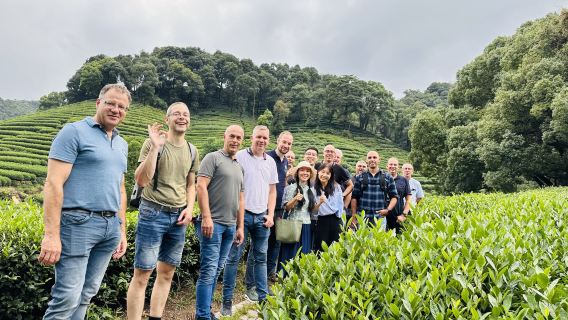
Book Comfortable and Affordable Hotels
Explore Top Hotels in Hangzhou
5 star
Business travel
Family friendly
Swimming pool
Book Cheap Flights Early
Popular Flights to Hangzhou
- One way
- Round-trip
 EWR01:0045h 55m2 stopsHGH10:55New York - Hangzhou|Sun, Sep 20|Air PremiaMYR 1,764MYR 2,29723% offSearch23% offMYR 2,297MYR 1,764
 JFK22:2058h3 stopsHGH20:20New York - Hangzhou|Mon, Sep 28|Etihad AirwaysMYR 2,077MYR 2,29710% offSearch10% offMYR 2,297MYR 2,077
- EWR01:0045h 55m2 stopsHGH10:55New York - Hangzhou|Mon, Sep 21|Air PremiaMYR 2,090MYR 2,2979% offSearch9% offMYR 2,297MYR 2,090
 NYC13:0045h 55mNonstopHGH14:00New York - Hangzhou|Mon, Sep 6|Normal AirlineMore cheap flightsMore cheap flights
Better to Know before Visiting Hangzhou
✅Learn Basic Chinese Phrases
✅Avoid Peak Traffic Hours
✅Stay Connected with a Local SIM Card
✅Respect the Environment
✅Plan for Unpredictable Weather
FAQs
-
What is the best time to visit Hangzhou?
-
How many days should I spend in Hangzhou?
-
Is Hangzhou safe for tourists?
-
What are the best souvenirs to buy in Hangzhou?
Trending
-
Getting Around
-
Popular Attractions
-
Popular Flights Routes
-
Trending Stays
-
eSIM/SIM card
- Forbidden City Tickets
- Zhangjiajie National Forest Park
- Shanghai Tower Tickets
- Shanghai Wild Animal Park
- Shanghai Disneyland Tickets
- Canton Tower Tickets
- shanghai to wangxian valley
- Shanghai Disneyland Fast Pass
- Huangshan
- Book China Attraction Tickets with Passport
- Universal Studios Beijing Tickets
- Great Wall of China Tickets
- Yu Garden Tickets
- Summer Palace Tickets
- Shanghai Disneyland Crowd Forecast
- Direct flights from Qingdao to Hangzhou
- Cheap flights from Chongqing to Hangzhou
- Cheap flights from Cairo to Hangzhou
- Return flights from Bangkok to Hangzhou
- Direct flights from Ho Chi Minh City to Hangzhou
- Cheap flights from Seoul to Hangzhou
- Return flights from Shenzhen to Hangzhou
- Return flights from Beijing to Hangzhou
- Cheap flights from Guangzhou to Hangzhou
- Cheap flights from Chengdu to Hangzhou
- Direct flights from Kuala Lumpur to Hangzhou
- Direct flights from Tashkent to Hangzhou
- Cheap flights from Hanoi to Hangzhou
- Cheap flights from Singapore to Hangzhou
- Return flights from Hong Kong to Hangzhou
- Five-star Bay Hotel (Wushan Square Branch, West Lakeside, Hangzhou)
- Five Points Hotel (Gaosha Road Subway Station)
- Hangzhou Binjiang Yintai Atour Hotel
- Westlake in Art Hotel
- Holiday Inn Express HANGZHOU WESTLAKE EAST by IHG
- Ashy Hotel (Xihu Lakeside Branch)
- West Lake Cuncuiju
- Hefang hotel(Hangzhou West Lake lakeside store)
- He Jie Business Hotel (Hangzhou east railway station)
- Yitel Collection Hotel (Hangzhou West Lake Scenic Area Intime in77)
- DESTI YOUTH PARK HOSTEL
- Elong Hotel Hangzhou WestLake
- Yitel Premium (Hangzhou West Lake Lakeside Pedestrian Street)
- Sofitel Hangzhou Westlake
- Duoya Hotel Hangzhou (Hangzhou Xiaoshan Airport Convention and Exhibition Center Branch)
- Harbor Hotel (Hangzhou Xiaoshan International Airport)
- EBO Hotel (Hangzhou West Lake)
- Qiyue Song Heritage Hotel (Hangzhou West Lake Hubei Intime Store)
- Yingke(INK) Boutique Hotel (Hangzhou West Lake Zhonghe North Road Station Branch)
- Yikexing Youth Hostel (Hangzhou Zhongda Intime City)