Car Rentals
Car Rental Promo Code - 8% Off
New User Enjoy up to 8% Off
TRIPCAR8


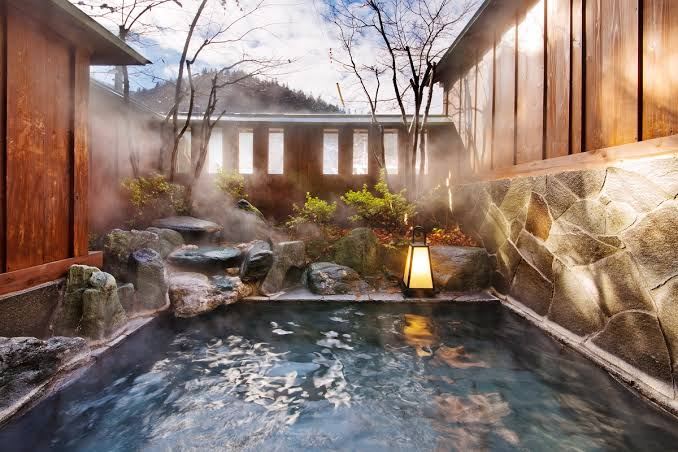
An onsen is defined by law as a hot spring. As per Japan's Hot Springs Act of 1948, the water must either come out of the earth at a temperature of at least 25°C or contain certain substances in specific amounts.
More than 19 substances have been identified, and one of those regulations states that there must be at least 1,000 mg of dissolved minerals per kilogram in the water.
The term also refers to the bathhouses and inns constructed around the spring, which explains why "onsen" can denote the water itself, the bath, or the entire town.
Two things are commonly confused with onsen:
A public bath within a residential area that heats up ordinary tap water. It is generally cheap and regulated: the maximum average price for an adult in Tokyo rises to ¥600 on 1 August 2026, while the national average for adults is around ¥478. There are also gigantic super sento spa complexes, which are not subject to the same price caps and usually charge from around ¥1,000. Some sento use real hot spring water and are known as onsen sento.
Most business hotels offer large communal baths that emulate onsen but use ordinary water from the main instead of natural hot spring water. While they can often be relaxing, they do not actually count as onsen.
A proper onsen should be displaying its spring analysis certificate (温泉分析書) at the reception, as mandated by law. This shows the temperature of the spring where it was sourced and what minerals it contains. Hotels that have real spring water piped in usually state this in their introduction.
The water varies in each of the springs. There are ten types of water in Japan, which are officially recognised. For example, chloride (salty and warm), sulphur (associated with the bad smell of rotten eggs, found in Kusatsu and Noboribetsu), iron (yellowish, as in Arima), and radon (in Misasa). Luckily you do not need to memorise this list, as the onsen itself will tell you what type of water it is!


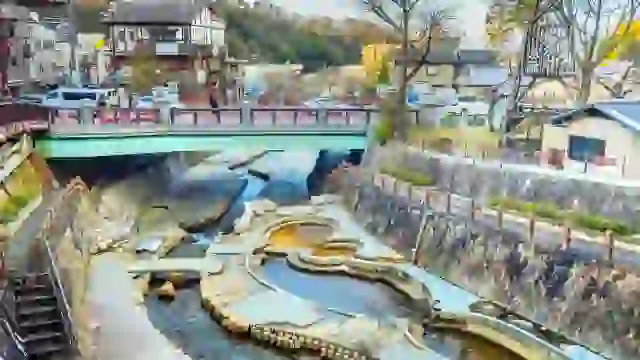

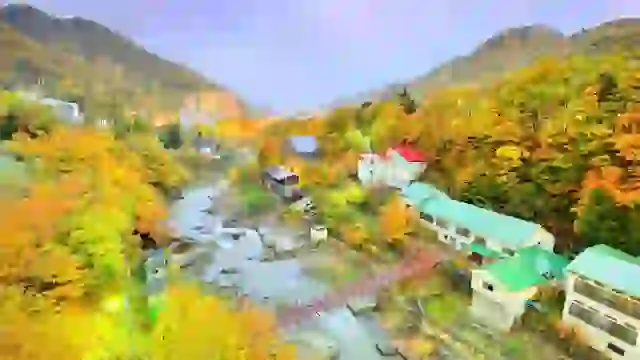
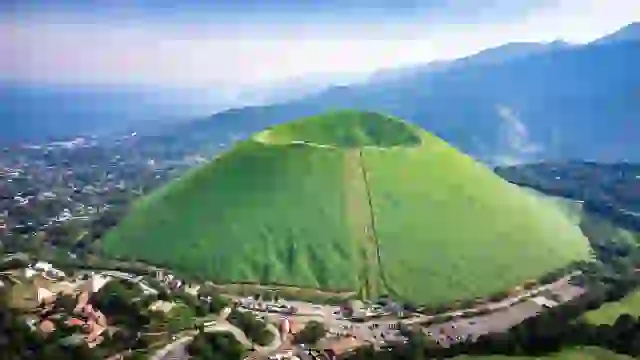

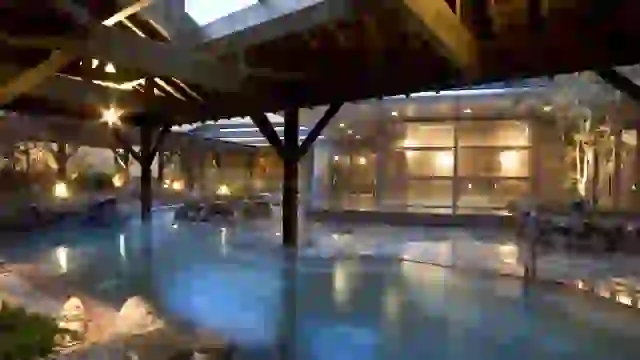

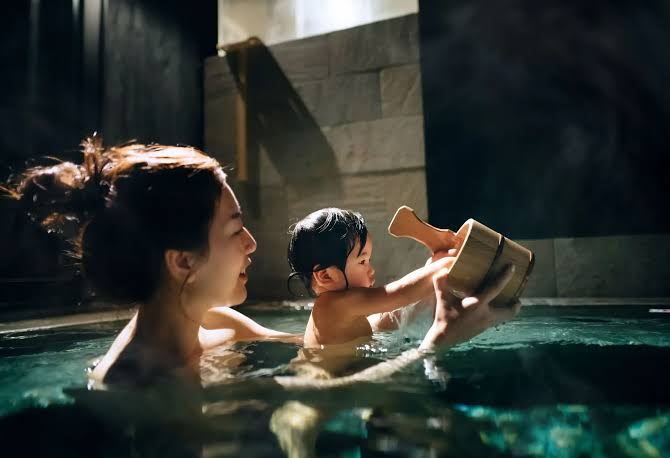
Most onsen offer several bathing formats under one roof, so you can try more than one during a single visit.
Onsen variety | What to expect | Best For |
Indoor baths (uchiyu) | Big public baths that are generally divided by sex and come with washing facilities. The best option for use on cold, rainy days. | People going to onsen for the first time as well as those who bathe all year round. |
Outdoor baths (rotenburo) | Baths located outdoors among rocks, forests, rivers or snow. Very scenic during the fall and winter when the cold air meets hot water. | People who want to enjoy the beautiful views when bathing. |
Private or family baths (kashikiri, kazokuburo) | Private baths meant for individual, couple and family use, rented for 45 to 60 minutes. Prices charged in the checked establishments varied between ¥2,000 and ¥4,400. | Families with little kids, couples and those who want some privacy and generally people with tattoos. |
Foot baths (ashiyu) | Outdoor baths that are usually free of charge or rather cheap. One does not need to take off the clothes – just roll up the trousers and take a small towel. | People who have never been to onsen before and want to try it briefly without effort. |
Sand and mud baths | Highly specialised experiences taking place at selected volcanic sites. Sand bath treatment implies covering a client with hot sand | People looking for a unique bathing experience and those interested in traditional Japanese wellness treatments. |
The waters themselves can be broadly divided into two categories.
The first is a free-flowing bath where fresh spring water is constantly replenished and allowed to overflow.
The second category encompasses baths where water is recirculated, filtered and cooled (by adding water or reheating), which tends to be found at larger hotels and at sources which are below 25 degrees C or too hot to bathe in directly.
Both are perfectly legal, and both are onsens so long as the source it was taken from meets the criteria.
Should freshness be of concern to you, then look for a specification of 100% free flowing in the hotel's description.
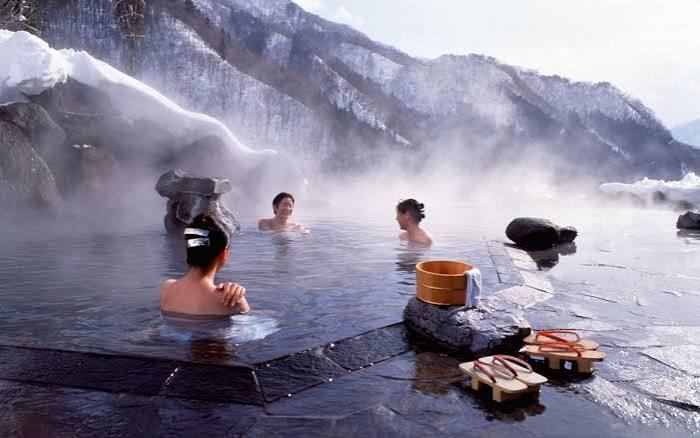
The bath is shared water, so almost every rule exists to be clean and not disturb others. So follow this order to blend in.
Many onsens are traditionally not allowing people with tattoos, due to their association with organised crime. This depends on the establishment, however, so it's best to check ahead of time. Larger resorts or those geared toward tourists may be more accommodating.
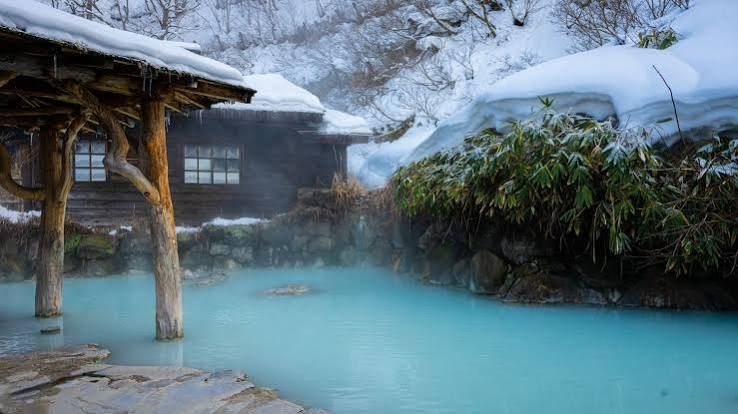
Japan has approximately 3,000 onsen, so we recommend choosing your region first and then the season.
Autumn and winter are the best times for an outdoor bath, while spring is perfect for bathing amidst cherry blossoms, and in summer, it's best to head to a high altitude such as Kusatsu town.
Town (region) | What it is best for | Best season |
Noboribetsu (Hokkaido) | Sulphur-rich water, many spring types and the steaming Jigokudani valley | Autumn foliage, winter |
Yudanaka (Nagano) | Snow-country soaking near the Jigokudani snow monkeys, with barrier-free ryokan | Winter |
Kusatsu (Gunma) | Strongly acidic, near-boiling water and the central Yubatake hot-water field | Summer, winter |
Hakone (Kanagawa) | The nearest major onsen area to Tokyo, 17 springs, Fuji and Lake Ashi views, plenty of day-use baths | Autumn, clear winter days |
Atami and Izu (Shizuoka) | A coastal onsen town 45 minutes from Tokyo by Shinkansen, easy as a short break | Year-round; early cherry blossom at Kawazu |
Gero (Gifu) | A centuries-old spring with smooth water, close to Nagoya | Spring, autumn |
Kinosaki (Hyogo) | Seven public bathhouses and a yukata stroll in a walkable town | Winter |
Arima (Kobe, Hyogo) | Gold (iron-rich) and silver springs, an easy trip from Osaka and Kobe | Autumn |
Dogo (Ehime, Shikoku) | One of Japan's oldest springs and a historic bathhouse | Spring |
Beppu (Oita, Kyushu) | The most springs in Japan: eight zones, steaming "hells" and sand baths | Year-round |
Kurokawa (Kumamoto, Kyushu) | A forested valley village with 30-plus inns and a wooden pass for hopping between baths | Autumn leaves, winter |
If you have time for only one area in Tokyo, choose between Hakone and Atami; from Osaka or Kyoto, pick between Arima for a day-trip or Kinosaki for an overnight stay; and for a rural-based excursion that's worth taking away from the big cities, consider Kurokawa or Noboribetsu (both are longer drives). Be sure to check with the ryokan about hours of operation, tattoo policies, and day-bath availability.
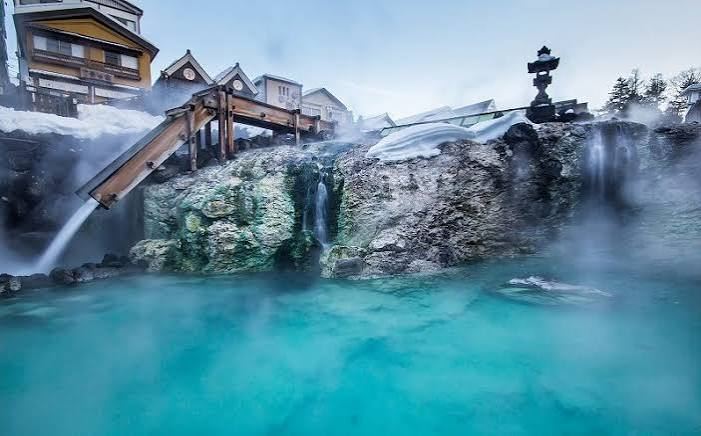
These allow you to relax without having to spend the night. Public bathhouses and many hotels and ryokan offer entry for a few hours (typically late morning to early evening) for a payment at the time of your visit.
You will need to bring (or rent) a towel, and note the final entry time, which can be an hour or more before closing.
Some inns close their doors to day visitors on weekends and holidays and on days when special events are taking place, so it's a good idea to call ahead on the day you plan to visit. This is the best option if you're based in Tokyo, Osaka or Kyoto, as Hakone, Atami and Arima all make excellent day trips.
This is the fuller experience. You sleep on futons on tatami, change into a yukata, bathe in the evening and again in the morning, and eat a multi-course kaiseki dinner (often served in your room) and a Japanese breakfast.
Prices are quoted per person with two meals (1泊2食), not per room. If you are travelling with older parents, young children or a tattoo, ask for a room with its own bath.
Option | Typical cost |
Tokyo sento (tap water) | ¥600 adult cap |
Day-use onsen | About ¥1,000 to ¥2,500 per adult; towel rental ¥200 to ¥600 extra |
Private bath, day-use | About ¥2,000 to ¥4,400 per 45 to 60 minutes |
Kurokawa bath-hopping pass | ¥1,500 for three outdoor baths |
Ryokan, per person with dinner and breakfast | From about ¥15,000 (simple, countryside) to ¥80,000 and up (luxury); around ¥25,000 is a comfortable mid-range |
For your first trip, a sensible plan is one day of soaking nearby, staying in a hotel close to the city base, and one night, one ryokan (traditional Japanese-style inn), in a more subdued setting.
If you can only stay for one night, it's best to pick a weekday, as weekends, holidays, and peak seasons will see prices increase significantly.
Hakone is around ninety minutes from central Tokyo, while Atami is just forty-five minutes by Shinkansen bullet train from Tokyo Station. It is advisable to take the local Kinosaki station. The Kounotori limited express train from Osaka takes around two hours and forty minutes (approximately ¥6,140), and the highway bus takes around three hours and forty (around ¥4,100).
Kurokawa does not have a train station at all. Buses depart from Fukuoka and take around three hours (approximately ¥3,470), and also there are buses leaving from Kumamoto in around two hours and forty minutes with another bus ride of approximately fifty minutes from JR Aso station. Departures are irregular, so it is essential to check the last buses back before exploring the area on a day trip.
A private bath or one inside your room provides reassurance that you will not have to contend with crowds, stairs, and undressing in front of others. Many ryokan offer barrier-free rooms, and others have handrails, bathing wheelchairs, or lifts in their main baths.
In Kinosaki some ryokan are equipped with accessibility features, and the loop bus in Hakone has wheelchair lifts (although it tends to be crowded).
Ensure you ask about stairs when making a reservation and how far you have to walk to the nearest station since the images can mislead you regarding the steps.
Also, older guests are advised to not spend too much time in the bath due to medication that they might be taking for blood pressure.
Children are welcome, and many bathhouses offer children discounts, like around ¥500-1,100 for ages 4-12 at some day-use places.
A family bath offers the chance for everyone to stay together.

 36396 booked