China New Year 2026 (Horse Year) - Date, Where & What to Do


2026 Chinese New Year is February 17 (Year of the Fire Horse). Discover best cities to celebrate, traditions, zodiac tips, travel advice, and temple fair highlights.
to Shanghai
to Guangzhou
to Beijing
See all flights

AI Summary
This summary is AI-generated by Trip.com. For the complete guide, please refer to the article below.
2026 Chinese New Year begins on February 17, marking the Year of the Fire Horse. The official public holiday spans February 15 to 23.
When is China New Year - Public Holiday Calendar 2026
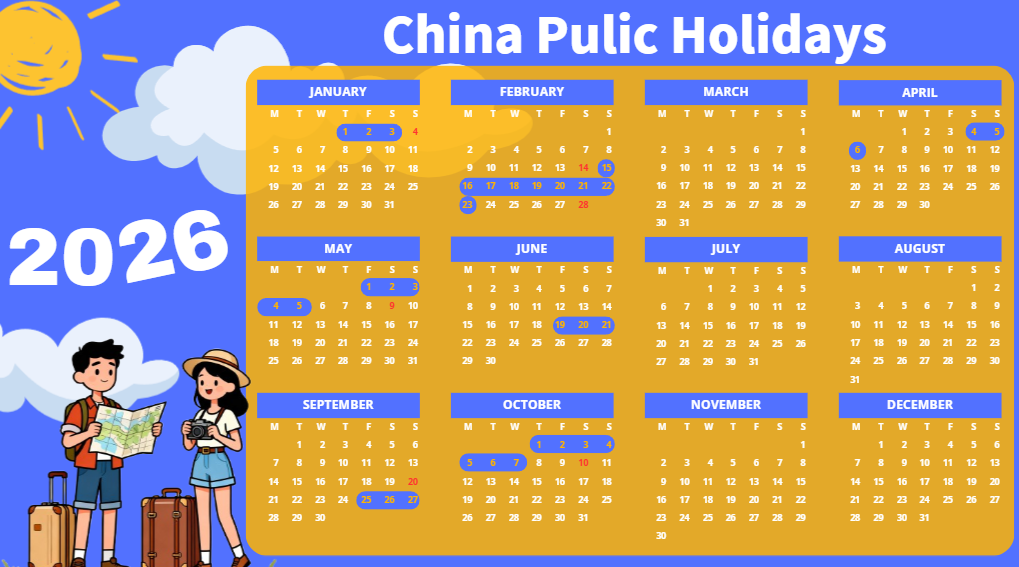
2026 Chinese New Year (Spring Festival) starts on Tuesday, February 17, 2026 – but the celebration stretches far beyond a single day.
- Official holiday: 9 days total (February 15 to 23, 2026) – with 除夕 (New Year’s Eve) falling on February 16 (Lunar New Year’s Eve, which is also Lunar 腊月廿九,since 2026 has no "大年三十" due to the lunar calendar).
- Lantern Festival (end of celebrations): March 3, 2026 (Lunar 正月十五).
- Best time to visit:
- Peak festive vibe: February 17–22 (join temple fairs, lantern shows, and family gatherings).
- Less crowds: February 23–28 (festivities still linger, but transport and attractions are less packed).
- Avoid: February 15–16 (massive travel rush for family reunions – train tickets sell out within minutes, and highways are gridlocked).
Chinese New Year Animals - 2026 Horse Year & All 12 Zodiac Signs
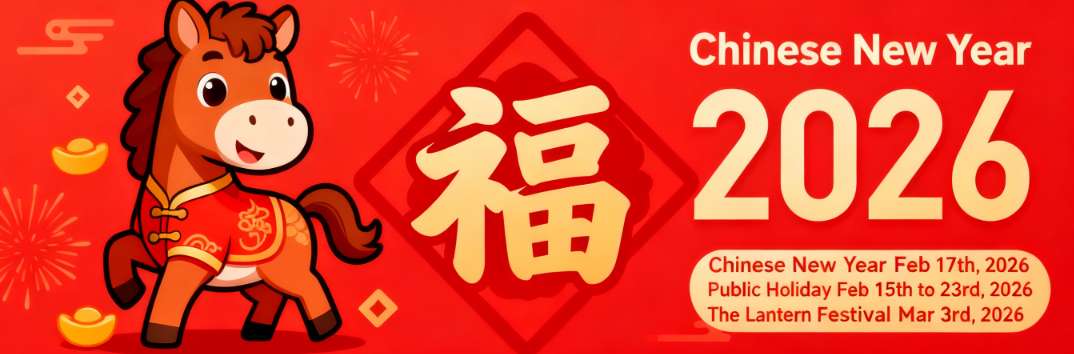
The Chinese zodiac is a 12-year cycle tied to 12 animals, rooted in ancient myths and yin-yang philosophy. Each animal represents distinct traits, and the cycle’s order comes from a famous "animal race" legend: the Jade Emperor invited all animals to a race to the Heavenly Palace, and the order of finish determined their zodiac ranking.
Chinese New Year Animal 2026 - The Year of the Fire Horse (丙午马年)
2026 is a rare Fire Horse year – it only comes once every 60 years (last was 1966).
- Element & meaning: "丙" (Bing) is Yang Fire, so this year is full of passion, energy, and bold opportunities. Fire represents action, while the Horse stands for freedom and progress – perfect for starting new projects or traveling.
- Lucky symbols: Red (matches the Fire element), gold, brown; lucky numbers 3, 4, 9 .
- 2026 zodiac tips for all signs:
- Horse (本命年 / Ben Ming Nian): It’s your "zodiac year" – wear red underwear or a red string to ward off bad luck. Avoid big decisions in May; focus on skill-building for 下半年 (second half of the year) opportunities .
- Rat (冲太岁): Expect changes (job shifts, travel plans) – stay calm and avoid risky investments (like crypto or stocks) .
- Tiger (三合太岁): Lucky year! You’ll meet helpful people (贵人) – say yes to collaborations or new jobs .
- Ox (害太岁): Small frustrations (delays, misunderstandings) may pop up – keep a low profile and communicate clearly .
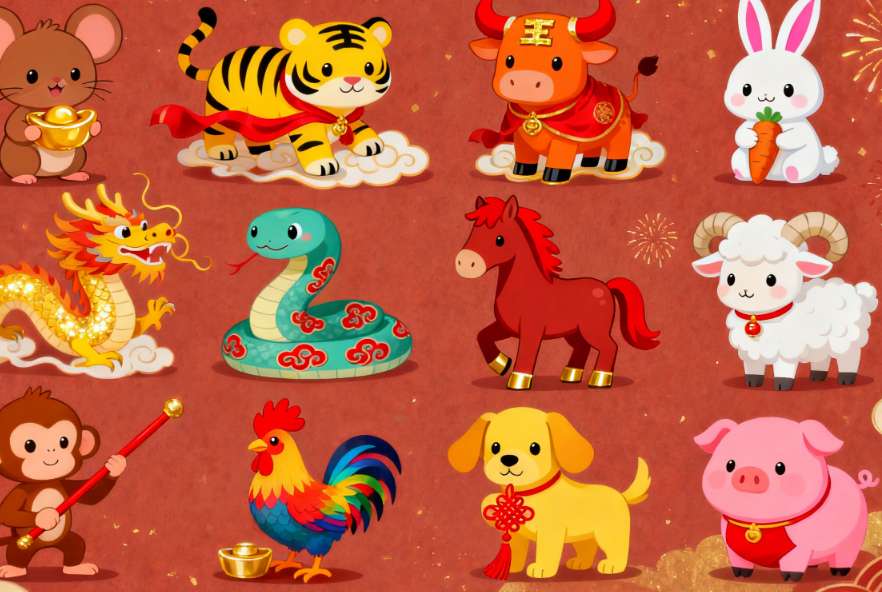
All Chinese New Year Animals - The Zodiac Chart
- Rat (子): Smart, adaptable, and resourceful. Symbolizes wealth (they hoard food) and vitality. Born in 2020, 2008, 1996, etc.
- Ox (丑): Hardworking, steady, and loyal. Represents farming and harvest – the backbone of ancient Chinese society. Born in 2021, 2009, 1997, etc.
- Tiger (寅): Brave, charismatic, and bold. The "king of beasts" symbolizes power and courage. Born in 2022, 2010, 1998, etc.
- Rabbit (卯): Gentle, cautious, and kind. Linked to the moon (Chang’e’s jade rabbit) and peace. Born in 2023, 2011, 1999, etc.
- Dragon (辰): Ambitious, lucky, and noble. China’s national 图腾 (totem) – symbolizes success and divine protection. Born in 2024, 2012, 2000, etc.
- Snake (巳): Wise, calm, and intuitive. Associated with transformation and hidden strength. Born in 2025, 2013, 2001, etc.
- Horse (午): Energetic, independent, and free-spirited. "马到成功" (success at once) is a popular New Year wish. Born in 2026, 2014, 2002, etc.
- Goat (未): Kind, artistic, and gentle. Symbolizes harmony and prosperity. Born in 2027, 2015, 2003, etc.
- Monkey (申): Clever, playful, and innovative. "猴" (monkey) sounds like "侯" (nobleman), so it’s tied to career success. Born in 2028, 2016, 2004, etc.
- Rooster (酉): Loyal, punctual, and confident. Crowing at dawn symbolizes overcoming darkness and new beginnings. Born in 2029, 2017, 2005, etc.
- Dog (戌): Faithful, responsible, and honest. Man’s best friend – represents protection and good fortune. Born in 2030, 2018, 2006, etc.
- Pig (亥): Generous, optimistic, and lucky. Symbolizes abundance (fat pigs = rich harvests) and happiness. Born in 2031, 2019, 2007, etc.
See all attractions
 892806 booked




Origin & History of Chinese New Year
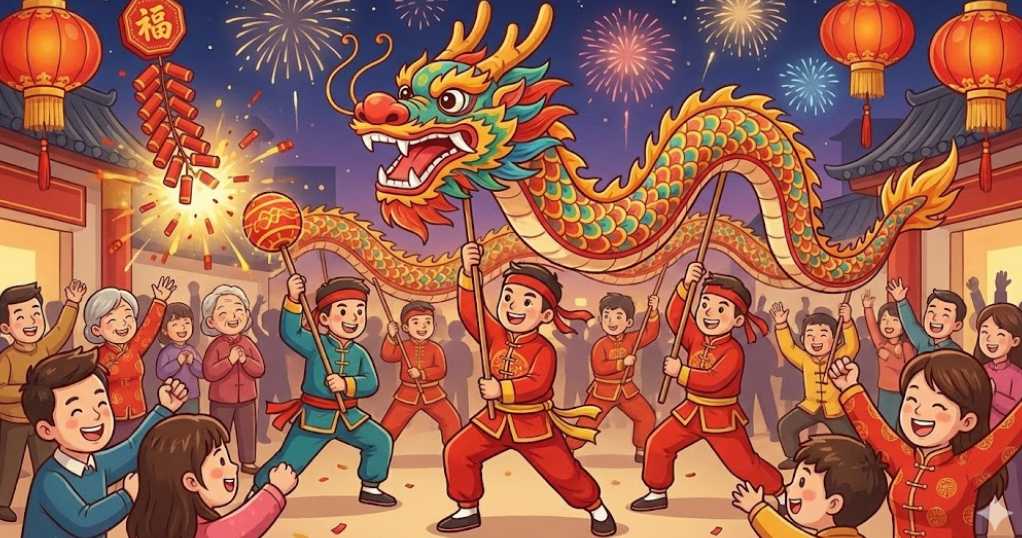
Chinese New Year (春节 / Chūn Jié) is over 4,000 years old. It started as a harvest festival in the Shang Dynasty (1600–1046 BCE), when people sacrificed to ancestors and gods to thank them for good crops. The most famous legend is about "年" (Nian), a mythical beast that attacked villages on New Year’s Eve. People discovered Nian feared three things: loud noises (firecrackers), red colors, and bright lights – which is why we still set off fireworks, hang red lanterns, and paste red couplets today .
Over time, the festival evolved:
- Han Dynasty (206 BCE–220 CE): The government fixed Lunar 正月初一 (first day of the first lunar month) as the official New Year – a tradition that stuck for 2,000 years. Families began gathering for reunion dinners and exchanging greetings .
- Tang & Song Dynasties: 元宵灯会 (Lantern Festival) became a highlight – cities like Chang’an (Xi’an) and Bianjing (Kaifeng) were lit up with thousands of lanterns, and people enjoyed music, dance, and street food .
- Ming & Qing Dynasties: Customs like 贴春联 (pasting couplets), 守岁 (staying up late on New Year’s Eve), and 发红包 (giving red envelopes) became standard. Temple fairs (庙会) also grew popular, with vendors selling snacks, toys, and crafts .
Today, the core spirit remains the same: family reunion, saying goodbye to the old, and welcoming the new.
What to Do During Chinese New Year 2026

Celebrations are all about joy, luck, and tradition – here’s how to join in authentically:
Day | Date | Activities |
|---|---|---|
Eve | Feb 16 | Reunion dinner, fireworks at midnight, red envelope exchange |
Day 1 | Feb 17 | New Year's greetings, temple visits, dragon/lion dances |
Day 2 | Feb 18 | Visiting relatives, especially married daughters returning to 娘家 (mother's home) |
Days 3-7 | Feb 19-23 | Social visits, temple fairs, cultural performances |
Day 8 | Feb 24 | Return to work (8 is considered the luckiest number) |
Day 15 | Mar 3 | Lantern Festival with lantern displays, riddles, and yuanxiao (sticky rice balls) |
- New Year’s Eve (February 16):
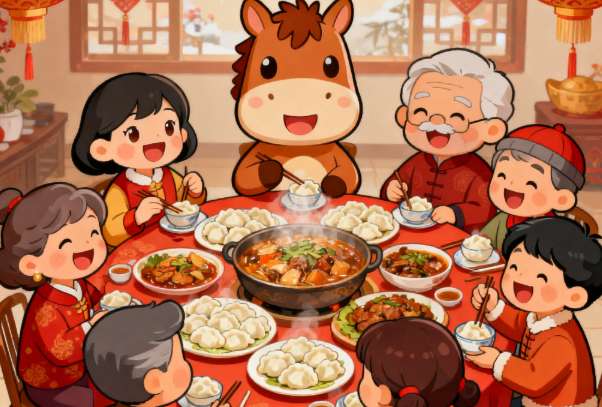
- Eat 年夜饭 (reunion dinner) with family or friends. Must-have dishes: 鱼 (fish, symbolizes "年年有余" – surplus year after year), 饺子 (dumplings, shaped like ancient money for wealth), 年糕 (sticky rice cake, for "年年高" – progress), and 橘子 (oranges, for "吉祥" – good luck) .
- Stay up 守岁 (shǒu suì) – legend says this keeps your parents healthy. Watch the Spring Festival Gala (CCTV’s annual show) or play card games with loved ones.
- Set off fireworks at midnight (in designated areas) – scare away bad luck and welcome the New Year.
- New Year’s Day (February 17):
- Wear new clothes (preferably red) – symbolizes a fresh start.
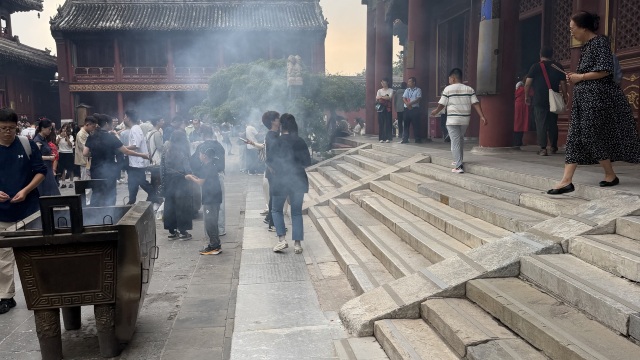
- Visit 寺庙 (temples) to pray for luck. Beijing’s Lama Temple and Shanghai’s City God Temple are packed with people burning incense for family health and career success.
- Watch 舞龙舞狮 (dragon and lion dances) – performers visit shops and neighborhoods, and businesses give red envelopes to "feed" the lion (brings prosperity).
- Days 2–7 (February 18–23):
- 走亲戚 (visit relatives) – bring gifts like fruit, tea, or nuts. Kids and unmarried adults get 红包 (hóngbāo) – red envelopes with cash (amounts like 66, 88, or 188 RMB, which sound like "smooth," "wealthy," or "prosperous").
- Go to 庙会 (temple fairs) – try street food (sugar-fried chestnuts, 驴打滚,糖葫芦), watch folk performances (acrobatics, cross-talk), and buy traditional crafts (paper-cuts, Chinese knots).
- Lantern Festival (March 3):
- Eating zongzi- glutinous rice balls with sweet fillings (red beans, sesame seeds) inside.
- Visiting the lantern show - the Yu Garden in Shanghai and the City Wall in Xi 'an are the most spectacular. Solve the lantern riddles to win small prizes.
Where to go for Chinese New Year 2026?
These big Chinese cities blend tradition and excitement for Chinese New Year, here are some of the highlights of each city:
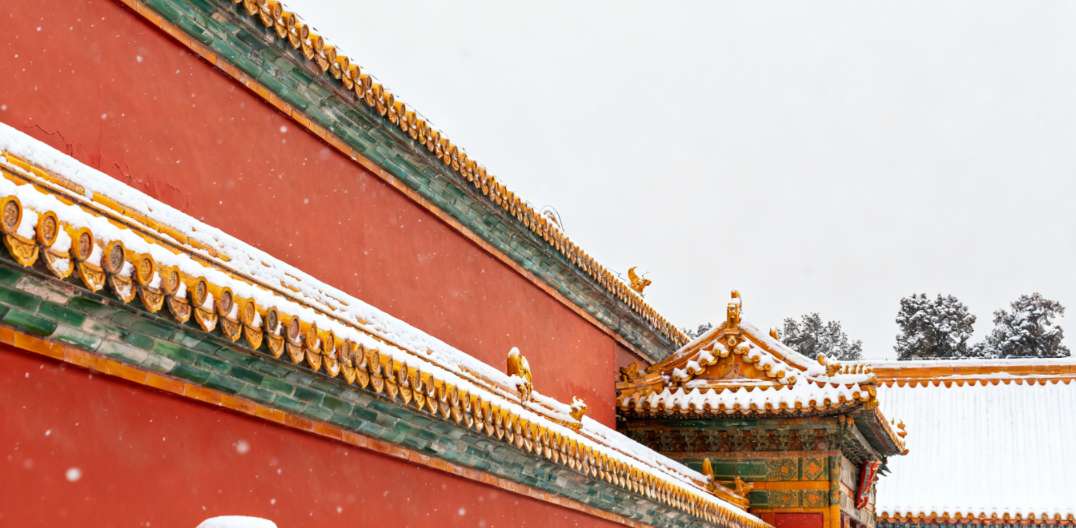
1. Beijing: Imperial Traditions & Temple Fairs
- Forbidden City (Palace Museum): Open during the Spring Festival, it hosts the "Forbidden City New Year" exhibition, see how emperors celebrated the Spring Festival with ancient couplets, imperial snacks and dragon lanterns. Tickets were booked 7 days in advance (they were sold out very quickly).
- Ditan Temple Fair: One of the oldest and largest temple fairs in Beijing (from February 15th to 23rd). Try the court snacks like pea cakes and glutinous rice cakes, watch folk dances, and write your name on red paper.
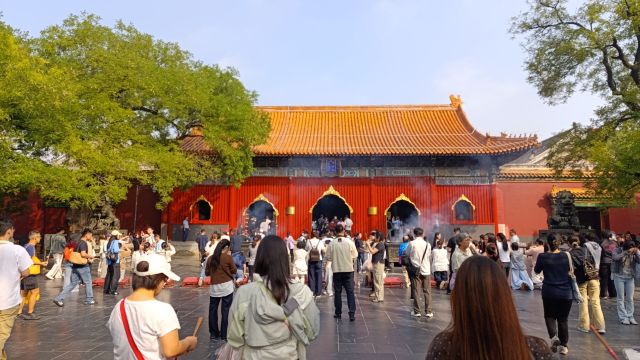
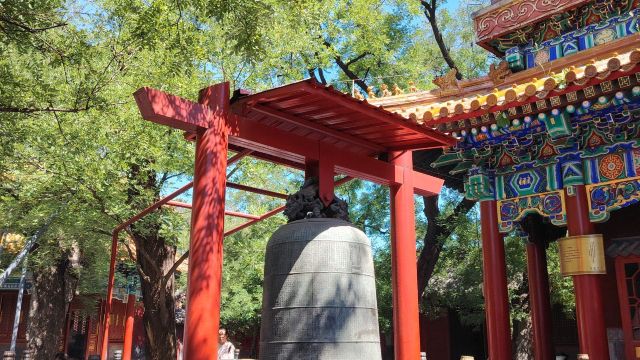
- Lama Temple: The most popular temple for New Year visits. Arrive early (before 8 a.m.) to avoid the crowds, burn three sticks of incense (one for the sky, one for the earth, and one for the ancestors), and then pray for what you want.
4.7/5
963 reviews
4/5
This was my first experience with a Buddhist temple - and it was a bit overwhelming, really something different. Once you enter the complex, you'll be given a set of incense sticks which you can burn as offering. Although a lot of people come for a tourist visit, I'm under the impression that people mostly come for a prayer. The complex is big, with many praying halls, and a section dedicated to the history of a place with displayed artifacts. Interesting experience in every case.

5/5
The explanations were easy to understand. As someone who enjoys listening to history stories but doesn't know much about them, I was very satisfied that I could gain some knowledge from the walk around!

5/5
Excellent! Great energy. Convenient location.

5/5
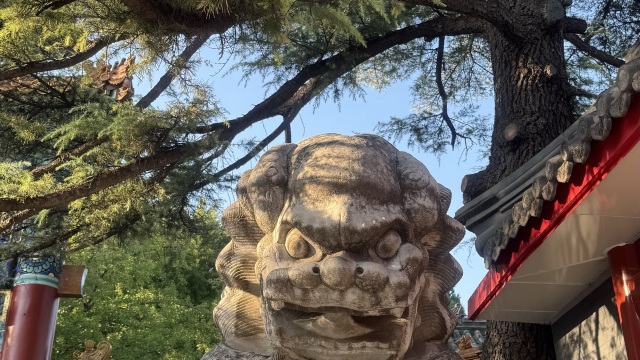
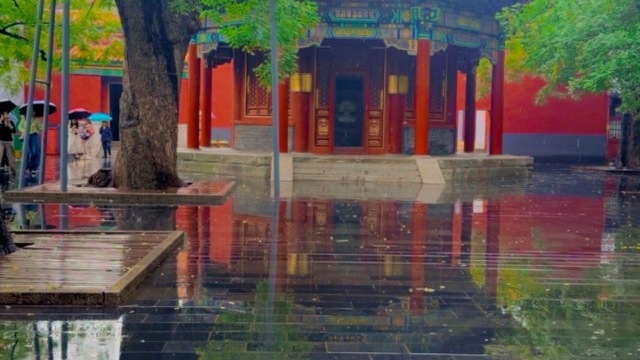
Yonghe Temple has a history of Tibetan Buddhism, is very popular, and has Thangka paintings, so it is highly recommended!

5/5
It's just a shame that there's no explanation anywhere.
2. Shanghai: Lanterns & Modern Festivity
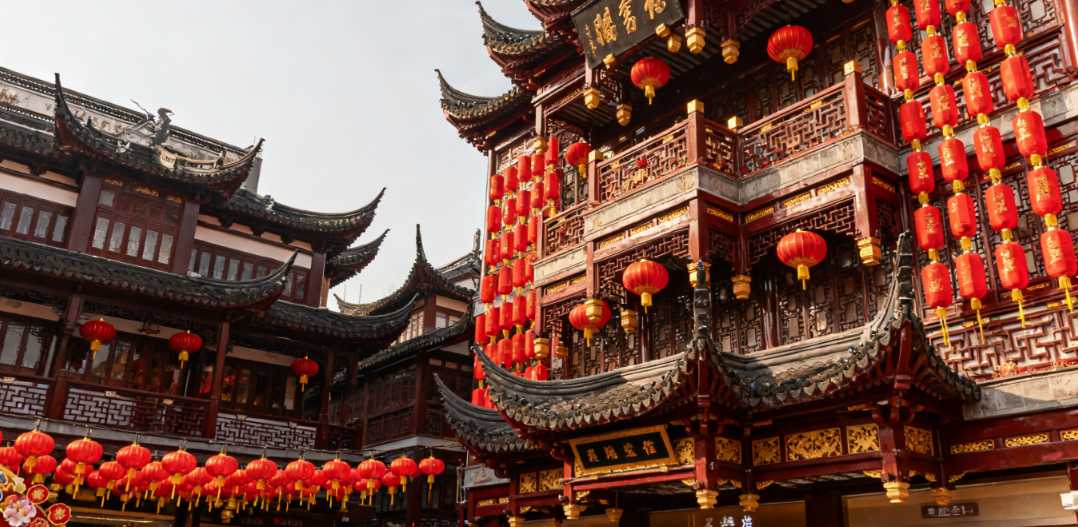
- Yu Garden (Yuyuan Garden): The "Intangible Cultural Heritage Spring Festival" in 2026 is a major highlight. The garden is decorated with huge lanterns (including displays of fire horse and snake themes prepared for the next zodiac year), and there is also the "Blessing of Heaven" parade, performers in ancient costumes walk through the garden and distribute lucky charms to visitors.
- Nanshan Bamboo Sea: A one-day tour starting from Shanghai - See thousands of red lanterns hanging in the bamboo forest, and taste local New Year dishes such as bamboo shoots and pork soup.
- BFC Bund Financial Center: Check out the 8-meter-tall "Wish Tree", hang red signs with New Year's wishes on them, and enjoy the festival market featuring handicrafts and international cuisine.
3. Xi’an: Ancient City Walls & Lanterns
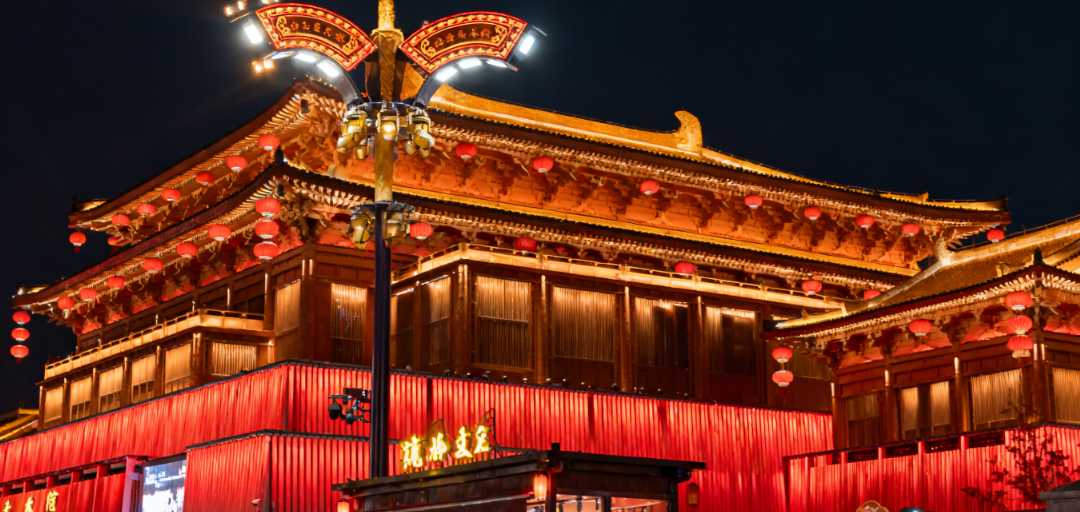
- The City Wall Lantern Festival: Along the 13.7-kilometer-long city wall, over 10,000 lanterns are hung, including designs in the Tang Dynasty style and fire horse patterns for 2026. The ticket costs 60 yuan. The best time to visit is after 7 p.m. (when the lanterns are fully lit).
- Muslim District: Taste authentic Shaanxi New Year goods, roujiamo, mutton stewed in a bun and red date rice cake. Street vendors also sell red paper-cuts and Spring Festival couplets.
- Big Wild Goose Pagoda: Watch the night fountain show with New Year's music and head to the nearby Tang Paradise Park to watch folk performances (Tang Dynasty dances, ancient music).
4.5/5
69 reviews
5/5
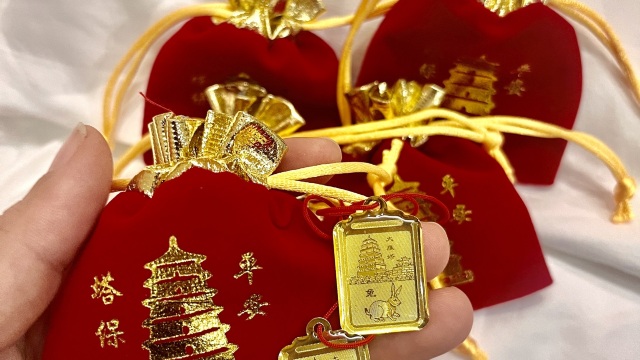
I loved learning about the historical importance of the pagoda and its construction. The square where it is located is very beautiful and peaceful. I bought some keychains with the pagoda motives that are only sold in front of the entrance so you have to buy an additional ticket to enter the pagoda to get access to the shop. But it is worth it, as o ku inside there are panels with the history and also the views from the seven stories.

5/5
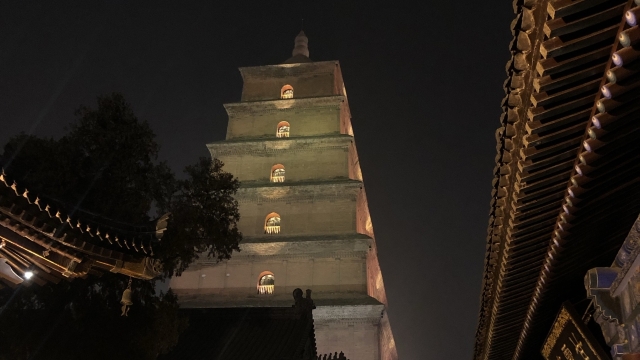
I would say it was a great experience to visit it during the night specially in the sparring festival, the lights, the smell, the music, fireworks, people and the monument plus the the whole tradition made it an unforgettable experience!!! please visit during the spring festival !!!

5/5
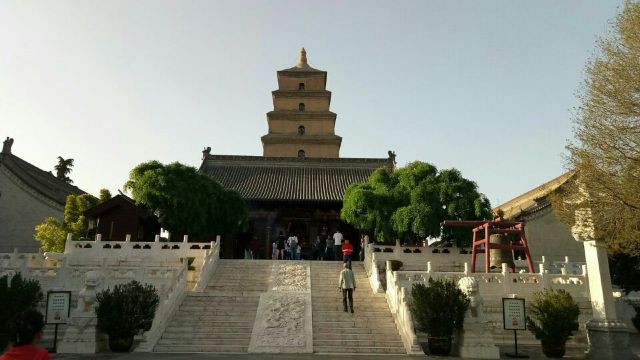
Everyone who is arriving to Xi'an definitely knows this symbol of the city. The area is huge and contains the complex of ancient architecture sites, temple, leisure area, big green park, walking street, beautiful square and wonderful atmosphere!

5/5
It was my first time in Xi'an, China, and the Dayanta Pagoda was so wonderful. It's the pagoda built by Tripitaka.

4. Hangzhou: Romantic Lakeside Celebrations
- The Lantern Festival at West Lake: Lanterns float on the lake surface, and the surrounding parks are decorated with red lanterns and Chinese knots. Take a boat tour in the evening - the reflection of the lanterns on the water surface is very magical.
- Hefang Street: A street with a long history and a New Year's goods market. Buy local snacks (dragon beard candy, osmanthus cake), and watch folk artists make sugar paintings (candies in the shape of animals on sticks).
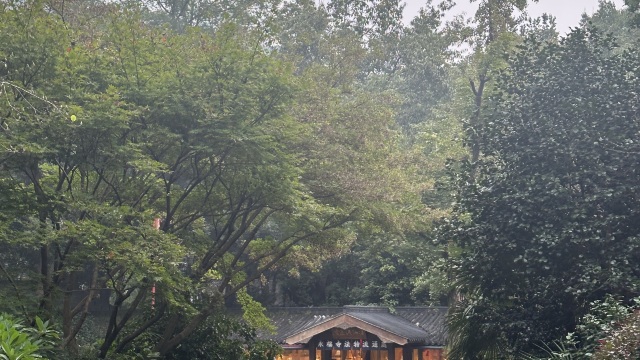
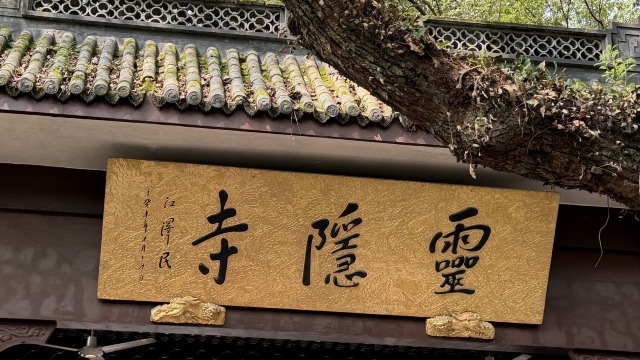
- Lingyin Temple: A peaceful temple on the mountain - pray for good luck, enjoy tranquility, and breathe in the air of rosin (a great place to rest from the city crowd).
4.7/5
2883 reviews4/5
The temple itself is really nice, wish I was able to do the reservation myself, without the need of an intermediary. For your information when you go: you don’t need to buy any overpriced flower as a offering, this seem a o me like a scam, I did not like this and wish someone told me before! Go early, cuz It gets crowded in the afternoon!

5/5
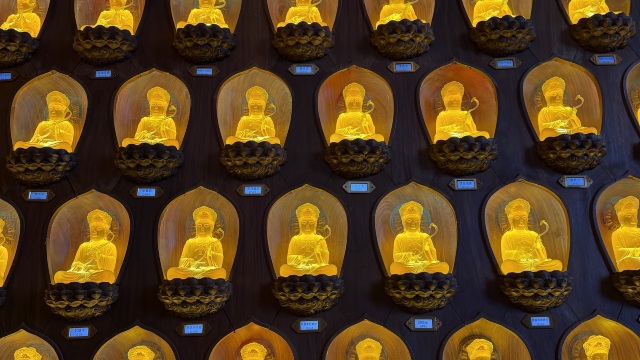
I had to rush because of the train, but it was really great. The guide was kind, and thank you for the lucky pouch.


5/5
I took my grandmother there. It's quite a long walk, but it's very easy for elderly people. The paths are good, and since it's a park, it's shady and cool. There are plenty of places to sit and rest. We bought tickets in advance and could scan them upon arrival. Very convenient!
5/5
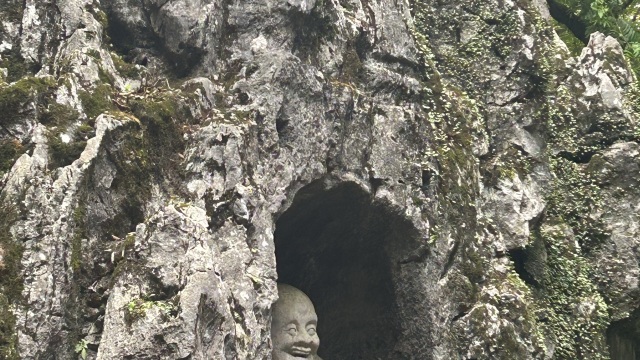
I liked both the park and the temple. It's very unusual that the Buddha images are carved into the rock. I was particularly impressed by the smiling Buddha. I also liked the temple itself—they give you three incense sticks at the entrance. Everything is close by, and the navigation is intuitive. We spent about two hours exploring, but you could easily spend a whole day in the park. The only inconvenience was registration. I couldn't register in advance through WeChat. Scanning the QR code brought up an app. So, I had to buy paid tickets through trip.com.
4/5
Worth to visit & had good experience for the tour
5. Chengdu: Spicy Food & Festive Vibes
- The Wuhou Temple Fair: It celebrates the culture of The Three Kingdoms with traditional performances (Sichuan Opera face-changing and shadow puppetry) and spicy snacks (hot pot).
- Jinli Ancient Street: Red lanterns stand in rows and ancient buildings are everywhere. Try "Three Cannonballs" - a sweet pastry made of glutinous rice, and buy some handmade Sichuan embroidery as gifts.
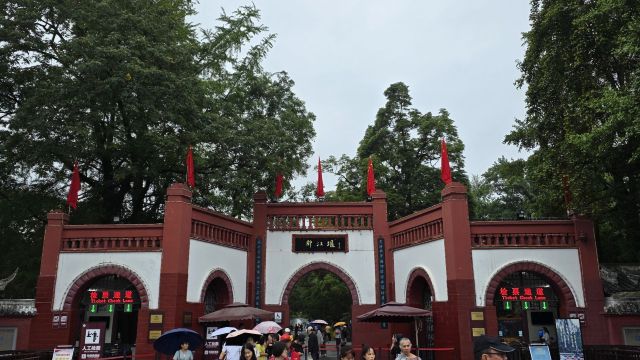
- Dujiangyan Irrigation System: A one-day Tour starting from Chengdu - Visit the ancient water conservancy project and watch local villagers perform the "Water-Splashing Festival", a tradition of praying for a bountiful harvest.
4.7/5
11354 reviews
4/5
The irrigation system itself was beautiful, but I found the return journey along the mountain through temples and forest even better.

5/5
Convenient and fast, buy and use immediately

5/5
A place well worth visiting

5/5
I have seen the greatness of nature.
5/5
I went to Dujiangyan for a day from Chengdu. We took a taxi; it was very convenient and quick. The fare was 120 rubles. We arrived at opening time to avoid the crowds, and it was the best decision!
The irrigation system itself is impressive—it's over two thousand years old, and it still works like a charm. Walking through the park is a pleasure, surrounded by greenery and coolness. Be sure to cross the Anlang Suspension Bridge; it sways terribly, but the views of the turbulent river from there are simply stunning. It's absolutely breathtaking!
The evening illumination is a special delight. We stayed until sunset for the "Blue Teardrop." The water glows an incredible turquoise, and an evening stroll along the river is pure magic. Very romantic and beautiful.
Cons: there are a lot of steps, so you'll have to walk quite a bit, so wear comfortable shoes. There are plenty of places to rest.
Overall, it's the perfect place for a day trip. History, nature, and hundreds of beautiful photos are guaranteed. We'll definitely be back.
Travel Tips for Visiting China in 2026 Spring Festival
- Book everything early: Advance booking: Flight tickets and hotels are sold out 3 to 6 months in advance. For trains, using the 12306 app - pre-sales start 15 days before departure, and popular routes (such as Beijing-Shanghai, Guangzhou-Chengdu) sell out within minutes. If the tickets are sold out, use the "waiting list".
- Know what’s open/closed:
- Open to the public: Major attractions (The Forbidden City, Yu Garden, Temples), large restaurants and shopping centers.
- Closed: Small family-run restaurants, private museums and some local shops (many are closed from New Year's Eve to the third day of New Year's Eve).
- Dress according to the weather: February in northern China is very cold (Beijing: -5°C to 5°C, Xi 'an: -2°C to 8°C) - bring thick down jackets, snow boots and gloves. In South China (Shanghai and Hangzhou), it is damp and cold (5°C to 12°C) - wear several layers (thermal underwear + sweater + jacket).
- Avoid peak travel times: The Spring Festival travel rush is the world's largest population migration. If you are driving, please avoid February 15th (New Year's Eve) and 22nd (return rush hour), as the expressways will be congested. Take a "night train" or an early morning flight to save time.
- Cultural etiquette:
- Greet people with "新年快乐" (Xīnnián kuàilè – Happy New Year) or "恭喜发财" (Gōngxǐ fācái – Wish you prosperity).
- Accept red envelopes with both hands (it’s rude to use one hand).
- Don’t talk about bad luck (death, illness, debt) – keep conversations positive.
- Carry cash: Small vendors, temple stalls and rural areas may not accept Alipay/wechat payments (but this is very rare now, just in case). Bring a small note worth 100 to 500 yuan (10 yuan, 20 yuan, 50 yuan) to buy snacks and souvenirs.
[8% Off] Best China Hotel Recommendations
Top Shanghai Hotels
Top Beijing Hotels
Top Guangzhou Hotels
See All Hotels








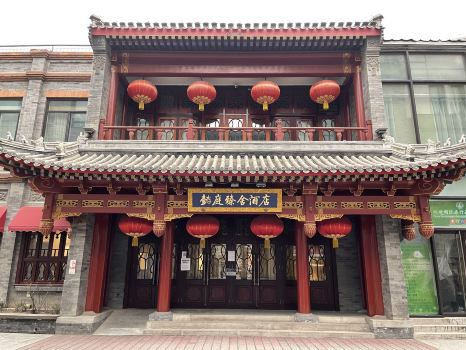



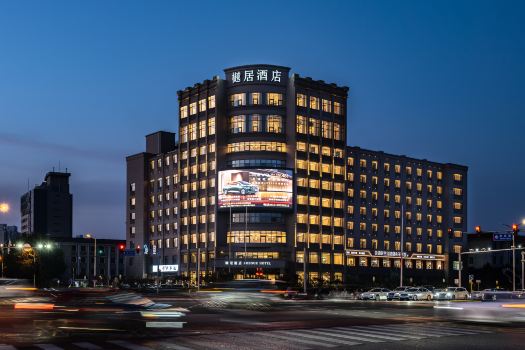

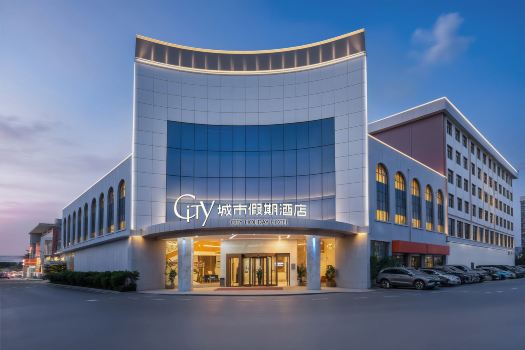
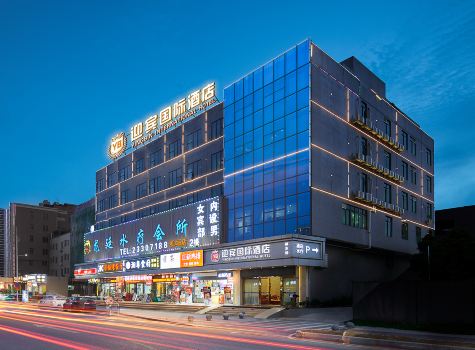




What to Prepare for a Trip to China?
- Visa & Entry Tips China’s 240-hour visa-free transit policy now covers 54 countries, incl. the US, UK, Canada, and Brazil, allowing up to 10 days during layovers. Learn more about China Entry Tips to land in China easily.
- Getting Connected VPNs are vital for accessing Google, WhatsApp, Instagram, etc in China. Set one up before arriving. China eSIMs are the easiest option for data and bypassing restrictions. Pocket Wi-Fi devices work best for group but are pricier and require pickup/return.
- Money Exchange & Tax Refunds Exchange money in China banks (better rates than airports). ATMs accept foreign cards, but notify your bank first. For tax refunds, spend over ¥500 at stores with a "Tax-Free" sign. Keep receipts and get forms stamped at customs before departure.
Must-Have Apps in China
- China Payment Apps Forget cash. Chinese use Alipay (I like it better) or WeChat Pay to pay for everything in China. Scan a QR code at noodle stalls, metros, even temples. Link your foreign Visa/Mastercard before landing.
- China Map Apps Amap (Gaode Map) & Baidu Map (limited English) is what locals use, with real-time navigation, metro/bus routes, and traffic updates. Apple Maps does a good job too if you're already an IOS user.
- China Transport Apps Street taxis are cheap, but drivers rarely speak English. Use China Taxi App like DiDi (China’s Uber)—set your destination in English, pay by Alipay.
- China Travel Apps 15+ China trips taught me: Use Trip.com. It's the best English app for booking China trains/flights/hotels + finds Trip.com deals.
- China Dating Apps Locals use Tantan (China’s Tinder) and Momo. WeChat’s “People Nearby” works too, but expect language barriers unless your Mandarin’s decent.
- China Food App Use Meituan (also helps find nearby restaurants) or Ele.me for food delivery—both have English mode. No English menu in restaurants? Scan the QR with Alipay's translator.
FAQs about Chinese New Year
-
What's the Chinese New Year for 2026?
-
How long does China shut down for Chinese New Year 2026?
-
When not to visit China in 2026?
-
Where to go for Chinese New Year?
-
What day is new year's in 2026?
Disclaimer: This article has been provided by an individual contributor or third party platform. If there is any discrepancy regarding the copyright, please contact us directly and we will delete the content immediately.
Trending Searches
-
Popular Flight & Hotel Packages
-
Getting Around
-
Popular Attractions
-
eSIM/SIM card
- Medellin Vacation Packages
- Hong Kong Vacation Packages
- Tokyo Flight and Hotel
- Koh Samui Flight and Hotel
- Hong Kong Flight and Hotel
- Kathmandu Vacation Packages
- Manila Vacation Packages
- Sharm El Sheikh Vacation Packages
- Natuna Vacation Packages
- Phuket Vacation Packages
- Antalya Flight and Hotel
- London Flight and Hotel
- Larnaca Vacation Packages
- Grand Turk Vacation Packages
- Stockholm Vacation Packages
- Kansai Airport to Wakayama
- Ningbo Metro
- Hong Kong Airport Express
- Beijing Daxing International Airport
- How to Get to Furong Ancient Town
- Xiamen Metro
- Xiamen Airport
- Shenzhen Metro
- Wuxi Airport
- Kyoto Station
- Qingdao Metro Map
- Japan car rental
- Macau to Shenzhen
- Incheon Airport Transit
- Narita Airport to Shinjuku
- Macau to Hong Kong
- Kobe Transportation
- Forbidden City Tickets
- Zhangjiajie National Forest Park
- Shanghai Tower Tickets
- Shanghai Wild Animal Park
- Shanghai Disneyland Tickets
- Tianmen Mountain
- Canton Tower Tickets
- shanghai to wangxian valley
- Huangshan
- Shanghai Disneyland Fast Pass
- Book China Attraction Tickets with Passport
- Universal Studios Beijing Tickets
- Great Wall of China Tickets
- Yu Garden Tickets
- Summer Palace Tickets