










Vietnam Visa Guide 2026: How to Apply, Types, eVisa, Visa on Arrival

by Bethy
May 21, 2026

Learn what a Vietnam Visa is, how to apply online step by step, processing times, required documents, types (eVisa, Visa on Arrival, traditional), visa-free countries, and entry tips.
Book Flights to Vietnam


What is a Vietnam Visa for Travelers?

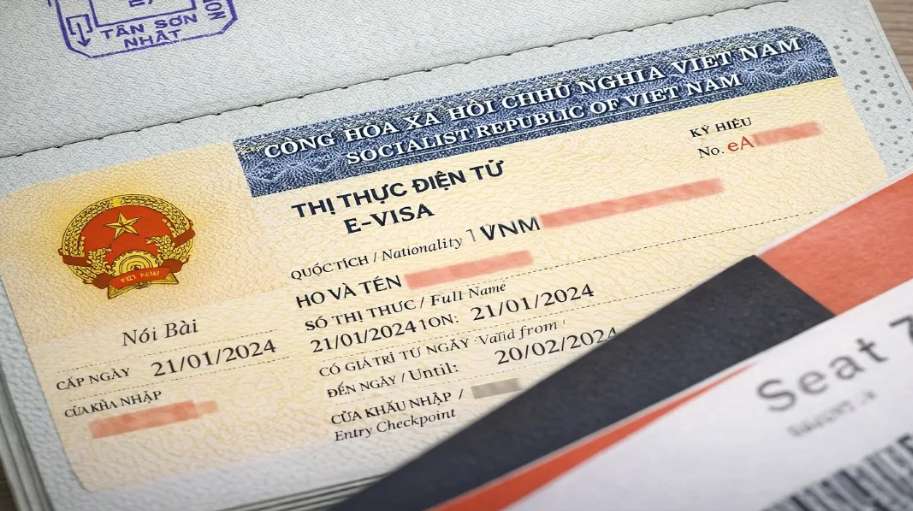
A Vietnam visa is an official document issued by the Vietnamese government that permits foreign nationals to enter, exit, and travel within Vietnam for tourism, business, or other specified activities.
For tourists, it acts as the primary legal authorization required at border control checkpoints, unless the traveler qualifies for a unilateral or bilateral visa exemption.
Different Types of Vietnam Visa for Travelers

There are several types of Vietnam Visas available for travelers, but the three most common ones for tourism are eVisa, Visa on Arrival, and Traditional Tourist Visa.
1. Vietnam eVisa (Electronic Visa)
Vietnam eVisa is a digital visa issued by the Vietnamese Immigration Department. It is applied for entirely online, and travelers receive the visa via email as a PDF file, which they need to print and present at the border. The eVisa is valid for a single entry, with a maximum stay of 30 days. It is available for citizens of over 80 countries (as of 2026) and is the most convenient option for most tourists.
2. Vietnam Visa on Arrival (VoA)
Vietnam Visa on Arrival is a visa that you apply for in advance online to get an approval letter, then receive the physical visa stamp upon arrival at designated Vietnamese airports. It is only available for air travelers (you cannot use it for land or sea entry). The VoA is available for single or multiple entries, with stays ranging from 15 to 90 days, depending on your needs.
3. Traditional Vietnam Tourist Visa
The Traditional Vietnam Tourist Visa is a physical visa sticker issued by Vietnamese embassies or consulates in your home country. You need to submit your passport and application materials in person or via a visa agency, and the visa is affixed directly to your passport. It is available for single or multiple entries, with stays up to 90 days. This type is suitable for travelers who prefer a physical visa or are not eligible for eVisa or VoA.
Vietnam Visa-Free Entry Countries

Vietnam grants unilateral and bilateral visa exemptions to citizens of specific countries. Travelers from these nations can enter without a visa for short stays, provided their passport is valid for at least 6 months.
45-Day Visa-Free Entry
Citizens of the following countries can enter Vietnam visa-free for up to 45 days for any purpose:
- Europe: Germany, France, Italy, Spain, United Kingdom, Denmark, Sweden, Norway, Finland, Belarus, Belgium, Bulgaria, Croatia, Czech Republic, Hungary, Luxembourg, Netherlands, Poland, Romania, Slovakia, Slovenia, Switzerland.
- Asia: Japan, South Korea, Russia, Kazakhstan.
14 to 30-Day Visa-Free Entry (ASEAN Nations)
- 30 Days: Cambodia, Indonesia, Laos, Malaysia, Singapore, Thailand, Kyrgyzstan.
- 21 Days: Philippines.
- 14 Days: Brunei, Myanmar.
90-Day Visa-Free Entry
- Chile, Panama.
How to Apply for Vietnam eVisa Online
Applying for Vietnam eVisa is simple and entirely online. Follow these accurate, step-by-step instructions to complete your application:
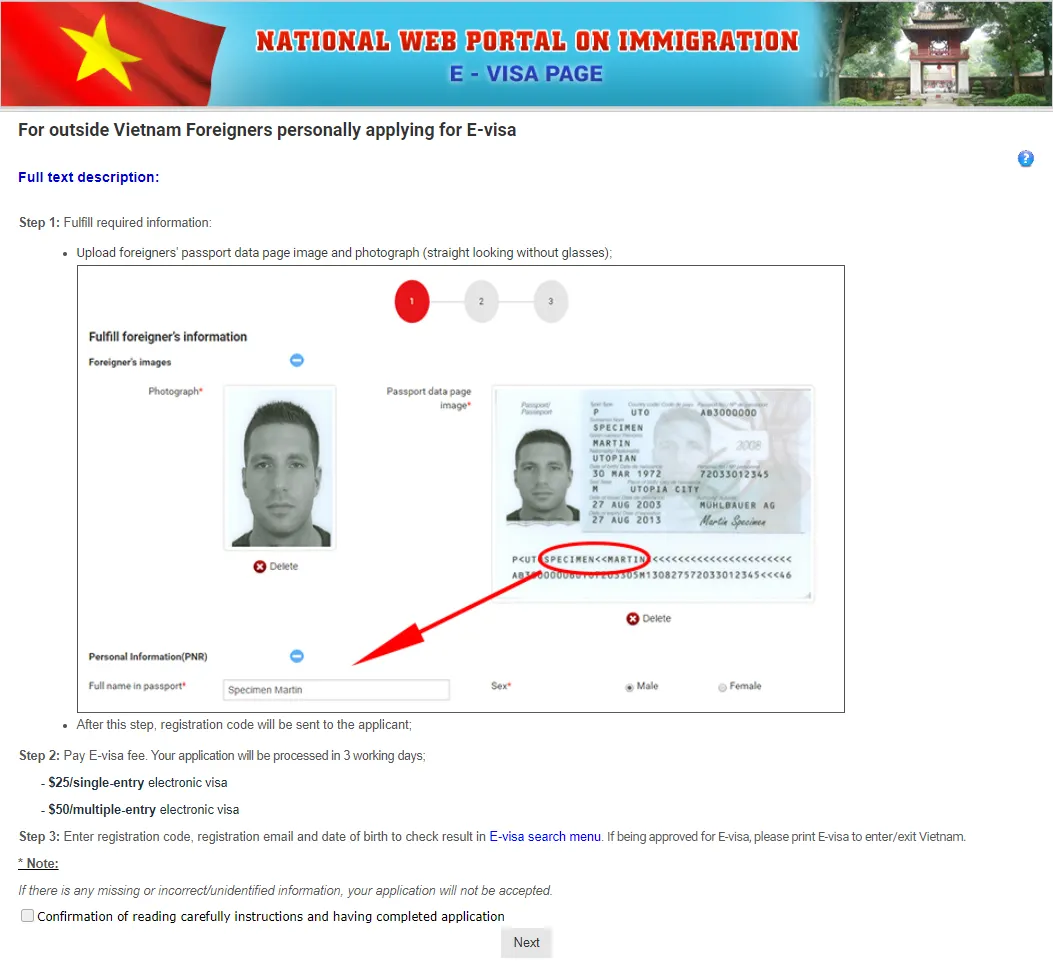
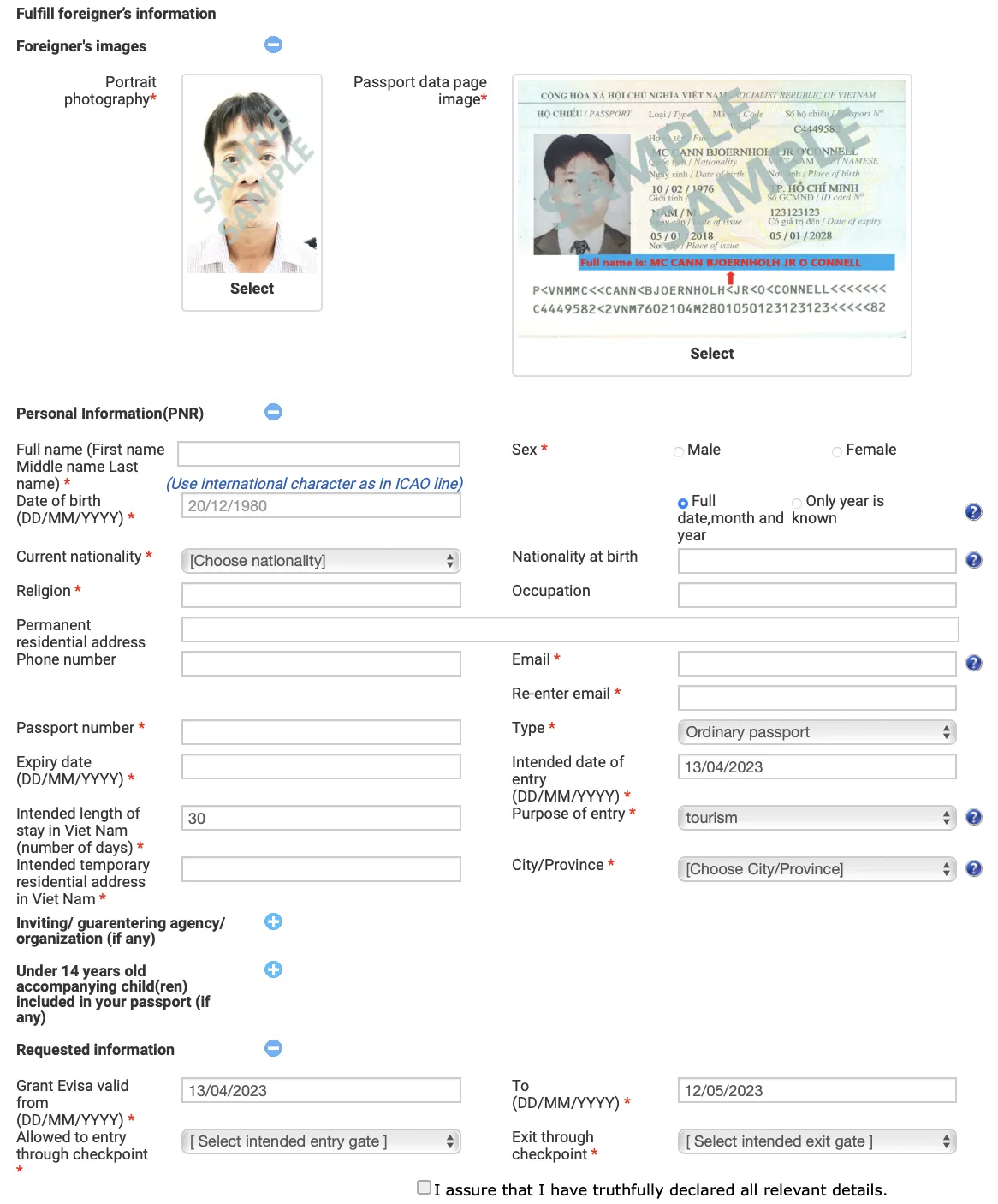
- Prepare required documents first: You will need a valid passport (with at least 6 months of validity from your planned entry date), a digital passport-sized photo (4x6cm, white background, taken within the last 6 months), and a valid email address (to receive the eVisa).
- Visit the official Vietnam eVisa website: Go to the official portal of the Vietnamese Immigration Department (https://evisa.xuatnhapcanh.gov.vn/). Do not use third-party websites unless you are willing to pay extra fees— the official site is free to use (only the visa fee applies).
- Create an account (if needed): Click “Register” to create a new account using your email address. Verify your email by clicking the link sent to your inbox.

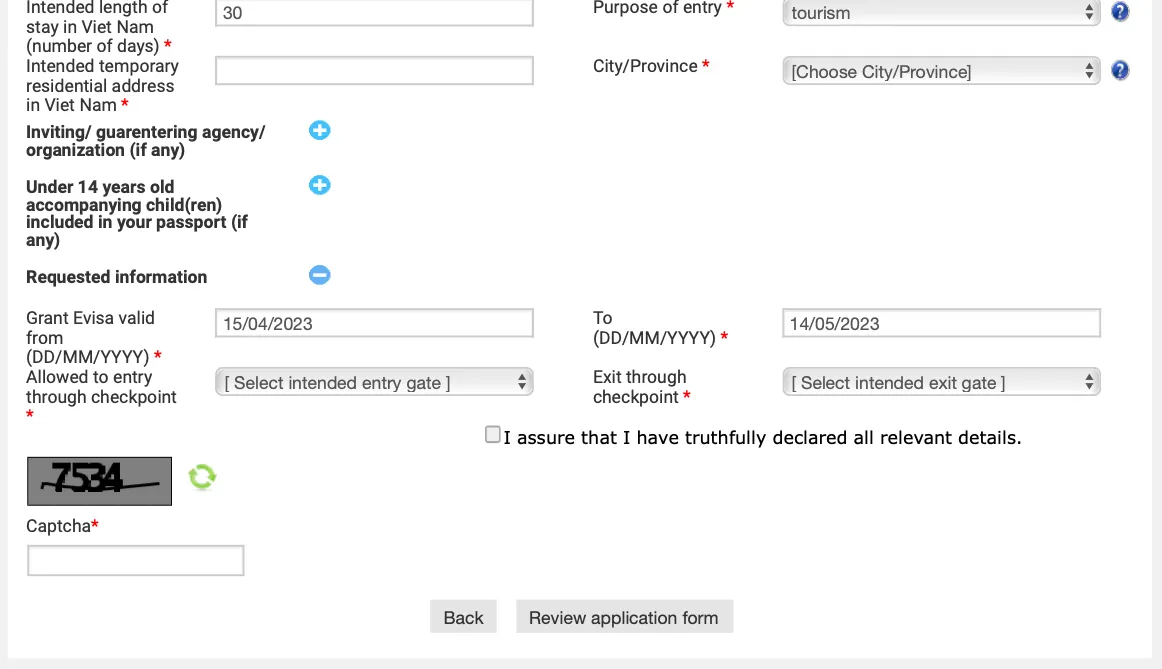
- Start the application form: Log in to your account and click “Apply for eVisa”. Fill in all required information accurately, including your personal details (full name as per passport, date of birth, nationality), passport details (passport number, issue date, expiry date), and travel details (entry date, exit date, port of entry in Vietnam).
- Upload documents: Upload your digital passport photo and a scanned copy of your passport’s biographical page (the page with your photo and personal information). Make sure the documents are clear and meet the requirements—blurry or incorrect documents will delay your application.

- Pay the eVisa fee: After submitting the form and uploading documents, you will be directed to the payment page. The fee is usually around 25 USD (non-refundable, even if your application is rejected). You can pay using a credit card, debit card, or other online payment methods accepted on the portal.
- Wait for processing and receive the eVisa: After payment, your application will be processed by the Vietnamese Immigration Department. Once approved, you will receive the eVisa PDF via email. Print it out (color or black and white is acceptable) and keep it with your passport for your trip.
- Present at the border: When entering Vietnam, show your printed eVisa and valid passport to the immigration officer. They will verify your documents and allow you to enter the country.
How to Get Vietnam Visa on Arrival (VoA)

Visa on Arrival is only for air travelers. Here’s how to get it step by step:
- Apply for the approval letter online: You cannot get the VoA directly at the airport—you need to apply for an approval letter in advance via a licensed Vietnamese visa agency (the official government does not issue VoA approval letters directly to travelers). Choose a reputable agency, fill in their online form, and pay the agency fee (usually 15-30 USD, depending on the agency and processing speed).
- Receive the approval letter: The agency will submit your application to the Vietnamese Immigration Department. Once approved, they will send the approval letter to your email. Print it out (you may need multiple copies) and keep it with your passport.
- Prepare additional documents for arrival: You will need 2 passport-sized photos (4x6cm, white background), your valid passport (6 months validity), the printed approval letter, and cash for the stamping fee (25 USD for single entry, 50 USD for multiple entry—cash only, in USD).
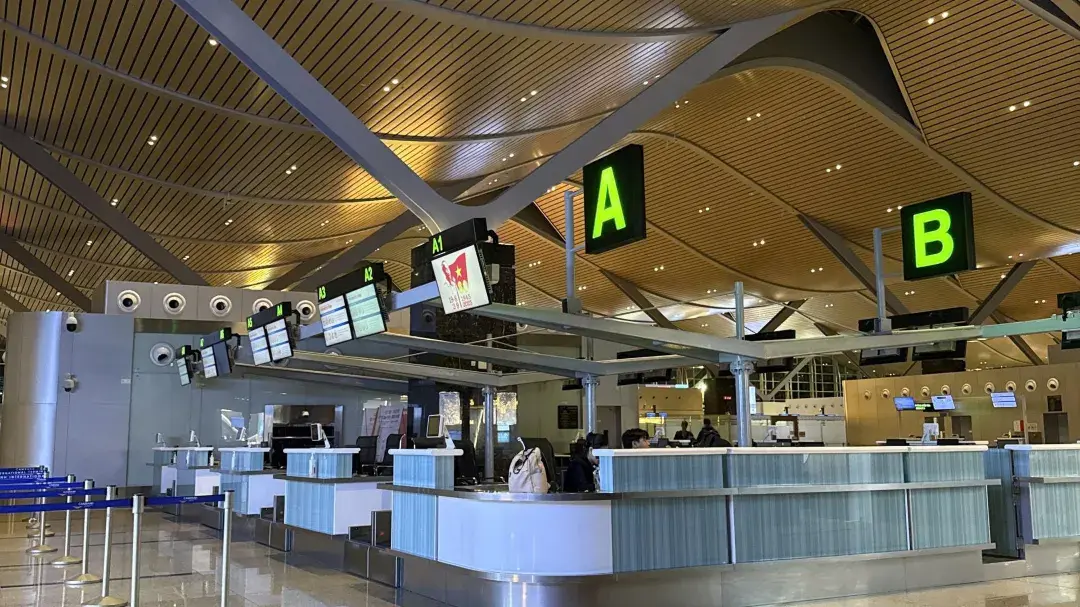
- Process at the airport: When you arrive at a Vietnamese international airport (Hanoi, Ho Chi Minh City, Da Nang, etc.), look for the “Visa on Arrival” counter. Submit your passport, approval letter, photos, and stamping fee. The officer will process your application and affix the visa stamp to your passport. Then you can proceed to immigration.
How to Get Traditional Vietnam Tourist Visa
The traditional tourist visa is obtained through Vietnamese embassies or consulates. Here’s the process:
- Check the requirements: Visit the website of the Vietnamese embassy or consulate in your country to check the specific requirements for a tourist visa. Requirements may vary slightly by country, but the basic documents are similar.
- Prepare required documents: Valid passport (6 months validity), 2 passport-sized photos, a completed visa application form (available on the embassy/consulate website), and a copy of your round-trip flight tickets and hotel bookings (to prove your travel plans).
- Submit the application: You can submit the application in person at the embassy/consulate, or via a visa agency (if the embassy allows it). Some embassies also accept mail-in applications, but this may take longer.
- Pay the visa fee: The fee varies by nationality and visa type (single/multiple entry). Pay the fee at the embassy/consulate or via the agency.
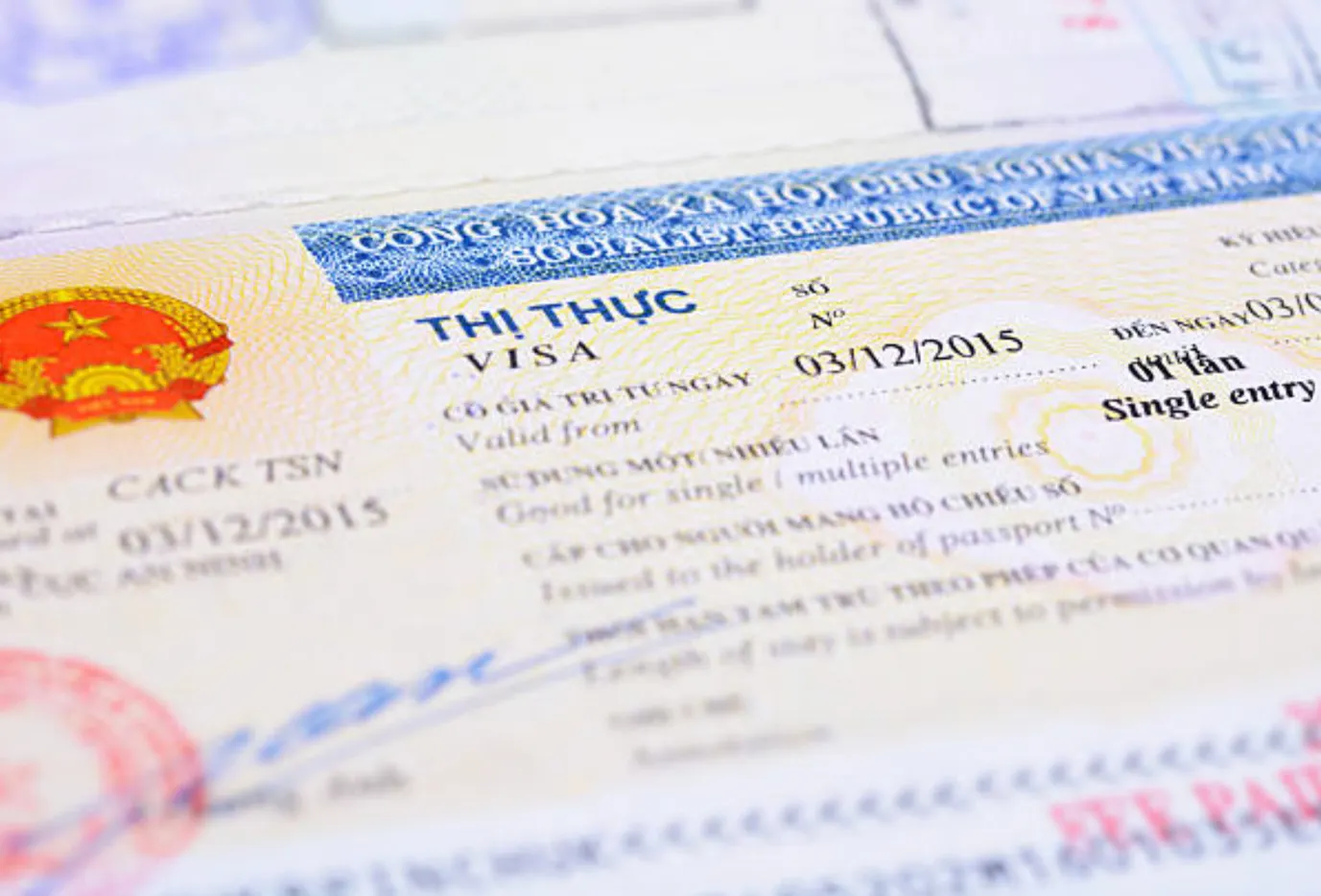
- Collect your passport and visa: After processing (usually 3-5 business days), you can collect your passport in person or have it mailed back to you. The visa will be a sticker affixed to your passport, showing your entry type and stay duration.


3439 booked
1726 booked
423 booked
189304 booked
152 booked
209 booked
Required Documents for Applying for a Vietnam Visa Online
When completing your online E-visa application, you must upload and provide:
- A scanned copy of your passport bio-data page (JPEG format, clear, no glare, full page visible). Your passport must have a minimum validity of 6 months from your arrival date and at least 2 blank pages.
- One digital passport photo (4x6 cm, JPEG format, sharp focus, plain white background, no hats or glasses).
- A valid international credit or debit card capable of making e-commerce payments in US Dollars.
- The exact physical address of your first hotel or accommodation in Vietnam.
Vietnam Visa Processing Times
Processing times vary depending on the type of visa you apply for. Below are the typical processing times (2026 latest):
- eVisa: Standard processing takes 3-5 business days. Some agencies offer expedited processing (1-2 business days) for an extra fee, but the official portal only offers standard processing.
- Visa on Arrival (approval letter): Standard processing takes 1-3 business days. Expedited processing (same day or next day) is available for an extra fee through agencies.
- Traditional Tourist Visa: Processing takes 3-5 business days at embassies/consulates. Some embassies offer expedited processing (1-2 business days) for an additional fee.
Note: Processing times do not include weekends or Vietnamese public holidays. It is recommended to apply for your visa at least 2 weeks before your trip to avoid delays.
How to Enter Vietnam

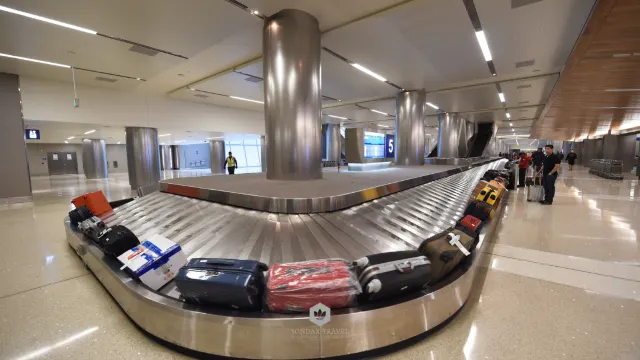
The structural process for passing through immigration control when entering Vietnam requires specific steps depending on your arrival airport:
- Before Departure: Check if your nationality requires a visa. If yes, print your approved E-visa or your VOA approval letter.
- Pre-Arrival Digital Declaration Rule: If you are landing at Tan Son Nhat International Airport (SGN) in Ho Chi Minh City, you must complete an online pre-arrival declaration (Digital Arrival Card) via the official portal (prearrival.immigration.gov.vn) within 72 hours before landing. This generates a QR code that you must save on your phone or print out.
- At the Airport Checkpoint:
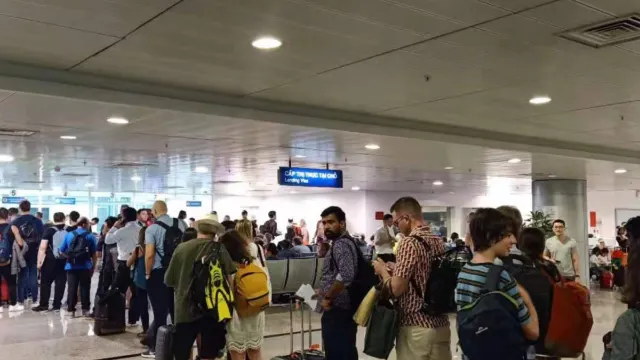
- If using VOA: Go straight to the Landing Visa counter first, submit documents, pay the cash fee, receive the passport stamp, then head to immigration.
- If using E-visa or Visa Exemption: Walk directly to the regular immigration lanes.
- Immigration Desk: Present your physical passport, your printed E-visa (if required), and your pre-arrival QR code (if landing at SGN airport). The officer will verify your details and place an entry stamp in your passport noting your permitted stay duration. Inspect this stamp for accuracy before walking away.
Vietnam Travel Tips for Foreigners
- Weather Considerations: Vietnam's climate varies significantly by region. Northern Vietnam (Hanoi, Halong Bay) experiences distinct winter (November to April) and summer seasons. Central Vietnam (Da Nang, Hoi An) faces heavy rainfall between September and December. Southern Vietnam (Ho Chi Minh City, Mekong Delta) remains consistently hot with a wet season from May to November. Pack lightweight clothing and rain gear accordingly.
- Currency Exchange: The local currency is the Vietnamese Dong (VND). Cash is highly dominant for everyday transactions, street food, and taxis. You can exchange foreign currency at bank branches or authorized jewelry shops in major cities. ATMs are widely available, but they charge localized withdrawal fees.
- What to Bring (eSIM): Maintaining data connectivity is essential for using navigation and ride-hailing apps like Grab. Instead of searching for physical SIM cards at the airport, you can pre-purchase a digital Vietnam eSIM via Trip.com before departure. You simply scan a QR code to activate cellular data immediately upon landing.
103956 booked
48838 booked
189304 booked
57613 booked
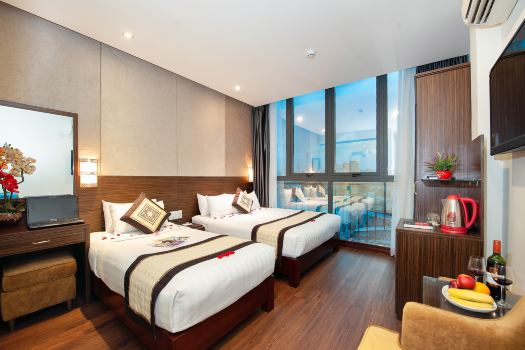
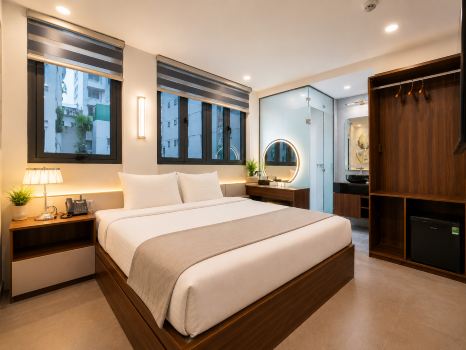
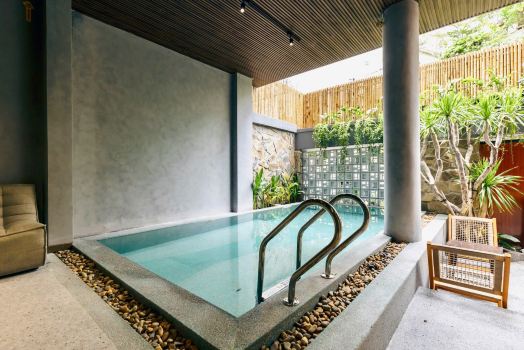
[10% Off] Vietnam Hotel Recommendations
Ho Chi Minh Hotels
5 star
Business travel
Family friendly
Hot spring
Gym
Swimming pool
Breakfast
FAQs about Vietnam Visa
-
Can I extend my Vietnam eVisa?
No, Vietnam eVisa is non-extendable. If you need to stay longer than 30 days, you must apply for a new visa (traditional visa or multiple-entry VoA) before your eVisa expires. -
Is Vietnam eVisa available for all countries?
No, eVisa is only available for citizens of over 80 countries (as of 2026). Check the official eVisa website to see if your country is eligible. -
Can I apply for Vietnam eVisa for free?
No, there is a mandatory fee of 25 USD for eVisa (as of 2026). The official website does not charge any extra fees, but third-party agencies may charge a service fee if you use them. -
Do I need a visa for my child (under 12 years old)?
Yes, all travelers, including children, need a separate visa to enter Vietnam (unless they are from a visa-exempt country). For eVisa, you need to apply for a separate eVisa for each child, using their passport and photo. -
What happens if my Vietnam visa application is rejected?
If your application is rejected, the fee is non-refundable. You can reapply after fixing the issue (e.g., incorrect documents, passport validity). It is recommended to check all requirements before applying. -
Can I use Vietnam Visa on Arrival for land entry?
No, Visa on Arrival is only valid for entry via designated international airports. For land entry (e.g., from Cambodia, Laos), you need to apply for eVisa or traditional visa. -
How long in advance should I apply for Vietnam visa?
It is recommended to apply for your visa at least 2 weeks before your trip. This gives enough time for processing and to fix any issues if your application is delayed or rejected.
Related products
Vietnam Visa Guide
- 1. What is a Vietnam Visa for Travelers?
- 2. Different Types of Vietnam Visa for Travelers
- 3. Vietnam Visa-Free Entry Countries
- 4. How to Apply for Vietnam eVisa Online
- 5. How to Get Vietnam Visa on Arrival (VoA)
- 6. How to Get Traditional Vietnam Tourist Visa
- 7. Required Documents for Applying for a Vietnam Visa Online
- 8. Vietnam Visa Processing Times
- 9. How to Enter Vietnam
- 10. Vietnam Travel Tips for Foreigners
- 11. [10% Off] Vietnam Hotel Recommendations
- 12. FAQs about Vietnam Visa
Hey there! I’m Bethy (Huang Lan, 黄澜) – a travel enthusiast and content creator for Trip.com. I live as a digital nomad, mostly based in China, and I’ve also lived in awesome places across Southeast Asia and Eastern Europe. I love traveling all over the world, sharing useful travel tips and guides for fellow wanderlusters. When I’m not on the road, I’m a huge cat lover and play guitar for fun~
Popular Searches
-
Air Travel Guide
-
Latest Flight Deals
-
Popular Flight & Hotel Packages
-
Getting Around
-
eSIM/SIM card
- Hong Kong Vacation Packages
- Tokyo Flight and Hotel
- Hong Kong Flight and Hotel
- Seoul Flight and Hotel
- Busan Vacation Packages
- Natuna Vacation Packages
- Redang Island Vacation Packages
- London Flight and Hotel
- Mexico City Vacation Packages
- Penang Vacation Packages
- Kansas City Vacation Packages
- Hurghada Vacation Packages
- Cape Town Vacation Packages
- Antalya Vacation Packages
- Yakushima Vacation Packages
- Wuhan Airport
- Changsha Metro
- Kunming Metro Map
- Hangzhou Metro
- How to Get Around Shanghai
- Beijing Daxing International Airport
- Sanya Airport
- Incheon International Airport to Seoul
- Ningbo Airport
- Kyoto Airport
- Qingdao Airport
- Chengdu Metro
- Harbin Metro Map
- Shenzhen to Guangzhou
- Macau to Hong Kong
- Narita Airport to Shinjuku
- Osaka Station to Kyoto Station


![Ho Chi Minh Cu Chi Tunnels Half Day Tour [Live Shooting+ Hotel Pickup + Chinese/Mandarin/English guide]](https://ak-d.tripcdn.com/images/0353z12000jshvzjo538E_C_568_320.jpg)