
2026 Visit Japan Web & Japan Travel Comprehensive Guide


Skip Japan's airport queues. Visit Japan Web lets you breeze through immigration with QR codes. Trip.com shows you how, step by step. Start your Japan adventure now!
Flights to Tokyo
Flights to Osaka
Flights to Nagoya
Flights to Sapporo
See all flights


Brief Introduction about Entering Japan & Japan Travel
Japan is fully open to international travelers, with visa-free entry available for many nationalities and simple arrival procedures at major airports. Whether you're exploring the neon streets of Tokyo, the food scene in Osaka, or the historic temples of Kyoto, traveling around the country is easy thanks to Japan’s efficient transport system, including the famous Shinkansen bullet trains.
What is Visit Japan Web?

source: https://vjw-lp.digital.go.jp/en/
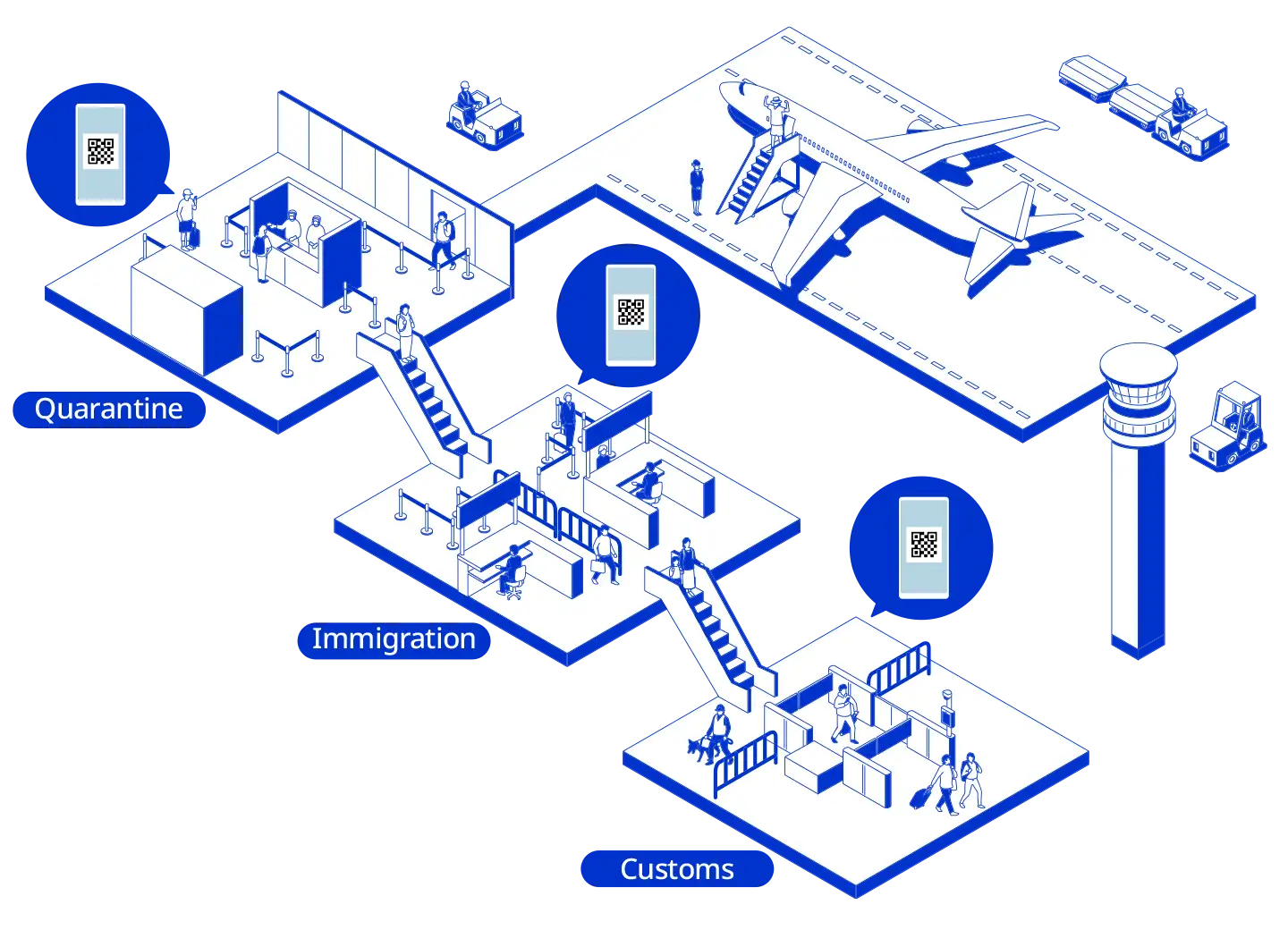
Visit Japan Web is an online platform where visitors can complete immigration and customs paperwork before arrival. Registration currently covers immigration clearance and customs declaration. You can also optionally register for tax‑free shopping. Pre‑registration for quarantine procedures is no longer required.
Once your registration is complete, you will get QR codes for immigration and customs to scan when you arrive. Visit Japan Web registration is recommended for all eligible visitors.
What’s the difference between the MySOS app and Visit Japan Web?
MySOS was the previous system used for Japan’s entry procedures. Visit Japan Web replaced it.
For travel after November 14, 2022, MySOS is no longer available.
Visit Japan Web includes immigration and customs, and has largely replaced the need for a separate quarantine Fast Track app.
Comprehensive Step-by-Step Guide to Visit Japan Web Application
source: https://vjw-lp.digital.go.jp/en/
Now that you have a basic understanding of how Visit Japan Web works, let’s walk through the steps to register. It's better to do this on your phone so you can take photos of your passport directly, or you can upload the documents from your computer beforehand.
1. Create a Visit Japan Web account
Visitors will first need to register an account with Visit Japan Web (email address and password creation). When you’ve logged into Visit Japan Web, click “Your Details” on the “Home Screen”. Then, you’ll proceed to fill in the 4 steps below
Step 1: Entry/return procedure category
Question 1: Do you have a passport issued by the Japanese government?
Question 2: Will you enter Japan with a (special) re-entry permission?
For most short-term visitors traveling visa-free, the answer to both is no.
Step 2: Passport Details
Fill in: surname, given name, date of birth, nationality, gender, and passport number.
Step 3: Intended address in Japan (optional)
Step 4: Confirm Entered Details
Submit your own details. If you're traveling with someone who can't fill it out themselves (like infants), click "Details on family members traveling with you" and add them to your application.
2. Register your trip
Click "Registering Planned Entry/Return" and then "New Registration".
Step 1: Planned entry/return
Fill in: trip name (anything you'll recognize, like "2026 Tokyo Trip"), planned arrival date, airline name, and flight number (numbers and letters).
Step 2: Intended Address in Japan
If you already entered this in your profile, it'll fill itself in.
Step 3: Select family members traveling with you
Only shows up if you've added family members to your account earlier.
Step 4: Confirm entered details
3. Register immigration clearance & customs declaration
Visit Japan Web has merged immigration and customs into one process. Go to the main screen and click "Register Immigration Clearance and Customs Declaration". Most of the info here will already be filled from what you entered earlier. You just need to add:
- For immigration: your home address (country and city), purpose of visit, intended length of stay in Japan, and a declaration.
- For customs: your occupation, point of embarkation (departure city), number of family members traveling with you, and a declaration.
- Click "Confirm entered details" to check everything, then click "Register".
- Once both are done, you'll see "Display QR Code" under each section. The system generates one QR code for both immigration and customs nowadays – you'll just scan the same code at both checkpoints.
4. Before you fly
Fill out your Visit Japan Web registration at least 6 hours before departure to give the system enough time to process everything. Once you have your QR code, take a screenshot and save it to your phone – you'll need it when you land, and airport Wi-Fi can be unreliable.
5. When you arrive
Just follow the signs to immigration, show your passport and QR code when asked (same code works for both immigration and customs), and you're done.
👀✨If you're curious about how to stay connected in Japan, check the following Japan eSIM products!
Explore Cheap Japan eSIMs
See all attractions
 148327 booked

Top 12 Must-Visit Places in Japan
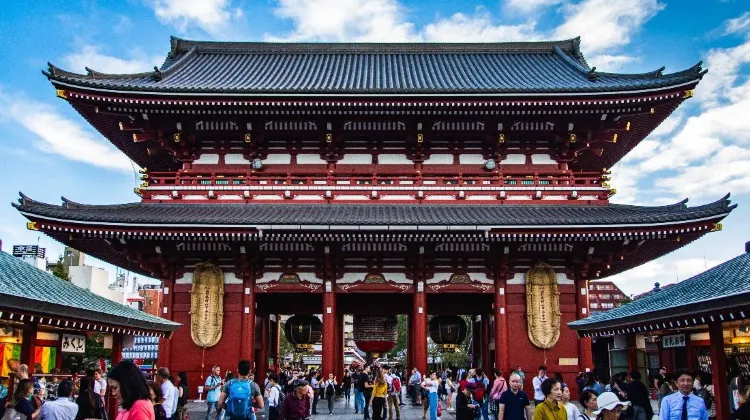
1. Asakusa, Tokyo
Source: Nicholas Doherty/ unsplash
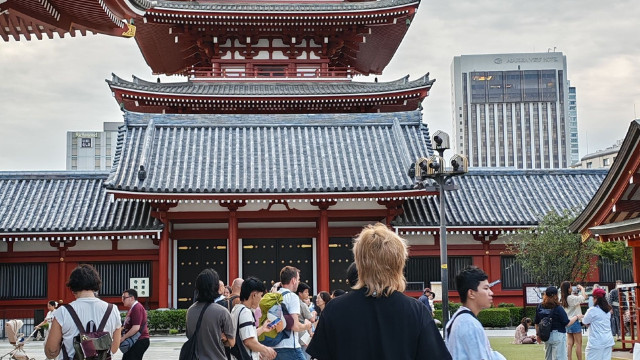
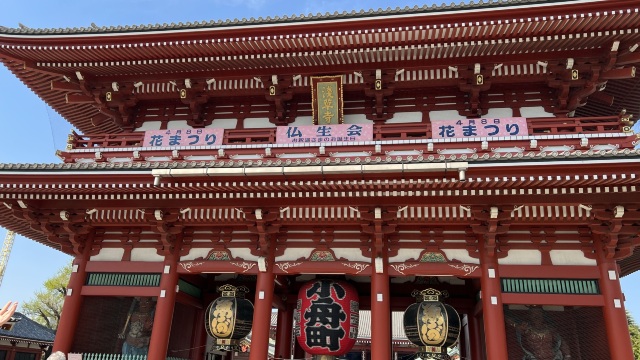
The Asakusa district is one of Tokyo’s most popular districts among both locals and tourists. Here, you can find many historical sites including the famous Sensoji Temple and Asakusa Shrine. The area is also filled with many bustling streets, such as Nakamise Shopping Street and Shin-Nakamise Shopping Street. Both the temples and streets are mostly closed at night, so it’s advised to make your way there during the day! The closest airport to Tokyo is Haneda Airport, which is 25 km away from Asakusa. The distance will take 54 minutes by train.
4.7/5
590 reviews
5/5
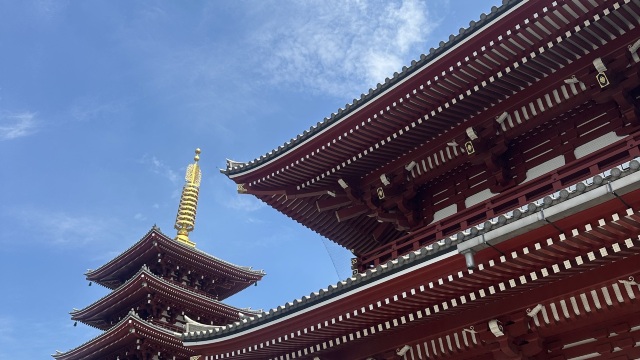
Yes, it gets extremely crowded (especially weekends, holidays, and peak midday hours), but that energy is part of its charm for many. Go early or late and the experience becomes almost serene.

5/5
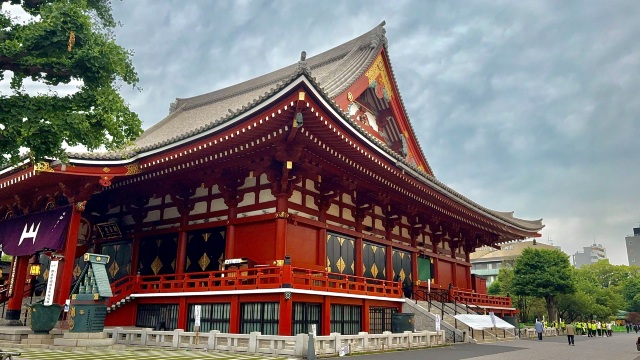
Senso-ji is absolutely beautiful and definitely worth seeing, but be prepared for huge crowds during the day. It gets packed with tourists, especially around Nakamise Shopping Street. There are tons of cute shops selling souvenirs, snacks, and traditional Japanese items, which makes the walk to the temple really fun but I wouldn’t call the area cheap at all. I’d recommend coming early in the morning if you want to enjoy the temple with fewer crowds.

4/5
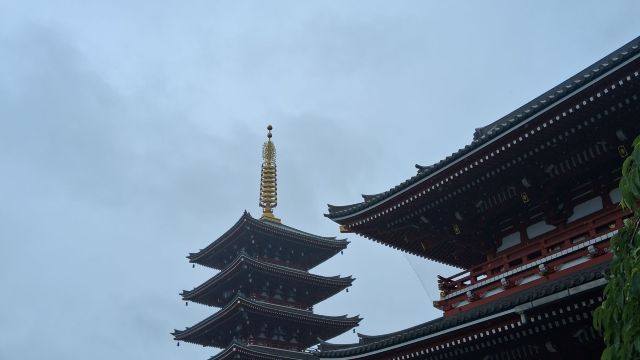
Unfortunately, the day we went it rained but nonethe less we still were able to enjoy Senso-ji Temple. There were a lot of shops and lots of people. The temple is so beautiful.

5/5
The place is very crowded and so many tourists from all over the world go there.

5/5
Lovely place to walk around the cultural sites.
2. Shinjuku, Tokyo
Source: Jezael Melgoza/ unsplash
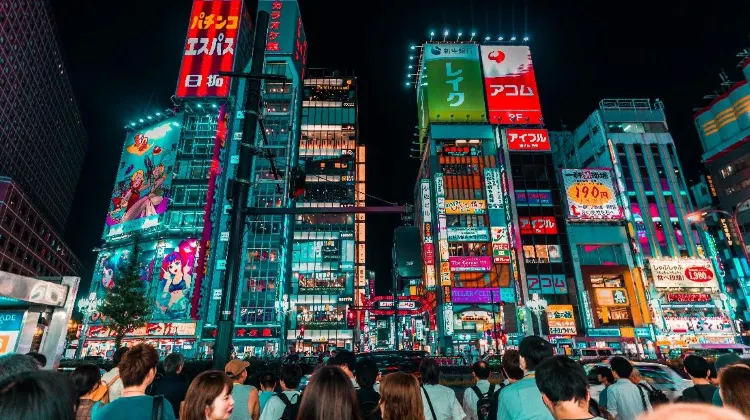
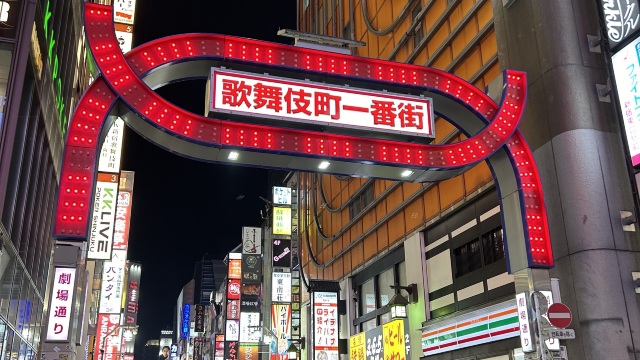
Shinjuku is home to Japan’s busiest train station. This crowded district is where you can find business, shopping and entertainment altogether. Visit Kabukicho to experience its popular nightlife or Shinjuku Park for some greenery in this concrete jungle! Narita Airport is the other main international airport serving Tokyo, and it is 85 km away from Shinjuku. There are express trains connecting Narita Airport to central Tokyo, and the distance can be covered in 1 hr 20 mins.
4.7/5
263 reviews
5/5
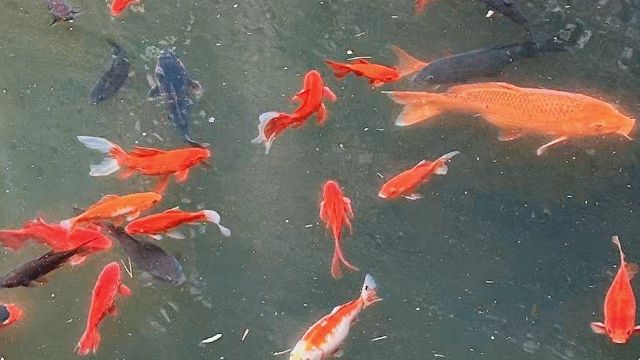
Rafting in the summer is such a refreshing way to beat the heat! The riverbanks are lined with tall trees whose canopies shade the entire waterway, preventing you from getting unbearably hot. The drops vary in size; on calmer sections, you can stop to chat, enjoy the scenery, and splash each other with water. On more thrilling sections, the splashing water is incredibly refreshing and cool. Lifeguards are on duty at every bend, ensuring safety. After your rafting trip, you can enjoy a bowl of freshly brewed hot ginger tea at the entrance, which completely cools you down and makes you feel refreshed – so much more enjoyable than sitting in air-conditioned comfort in the city!

5/5
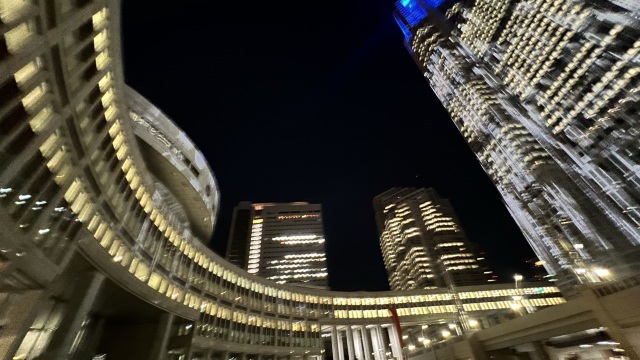
Shinjuku is Tokyo's most iconic and bustling commercial district and transportation hub, ranking alongside Shibuya and Ikebukuro as one of Tokyo's "Three Sub-Centers."
Centered around Shinjuku Station, the world's busiest station, it's home to government offices, skyscrapers, department stores, and Japan's largest red-light district.
🏙️ Main areas: West Exit (Skyscraper District): Home to the Tokyo Metropolitan Government Building, offering free observation decks with panoramic views of Tokyo.
East Exit (Bustling Commercial District): Lined with department stores, including the famous 3D giant calico cat statue, Shinjuku Gyoen National Garden (Imperial Garden), and vibrant shopping streets.
Kabukicho: Located north of the East Exit, it's a renowned nightlife district in Asia, with the Tokyu Kabukicho Tower being a recent hotspot.
South Exit: Connects Shinjuku Takashimaya and the Shinjuku Tourist Information Center, and is also a stop on the N'EX Narita Limited Express, which provides direct access to Narita Airport.

4/5
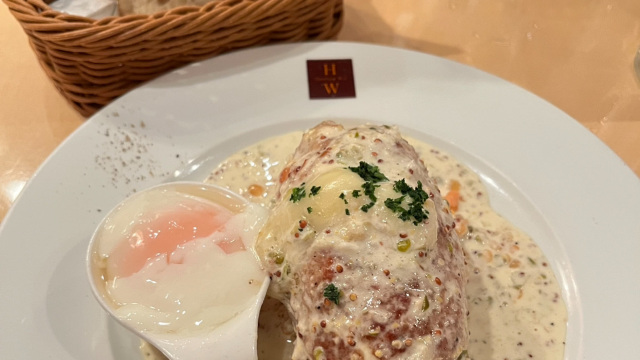
Shinjuku Ward is often thought of as just an office district or a downtown area, but if you actually walk around, you'll be surprised by its charm! First of all, it's an irresistible area for food lovers. From long-established Japanese restaurants to popular sweet cafes and international restaurants where you can enjoy cuisine from all over the world, there are so many famous restaurants to choose from. The areas around Shinjuku 3-chome and Golden Gai are especially recommended for people who love to go out and eat! And it may be surprising, but there are many places where you can feel nature, such as Shinjuku Gyoen and Toyama Park. It's a mysterious and luxurious feeling to be able to enjoy the scenery of the four seasons right next to the skyscrapers. Even though you're right in the middle of the city, there are moments when you suddenly feel relaxed. I think the greatest charm of Shinjuku Ward is the exquisite fusion of this "delicious food", "nature", and "urban convenience"!

5/5
Shinjuku, Tokyo: A Must-See! A Perfect Blend of Bustling Culture
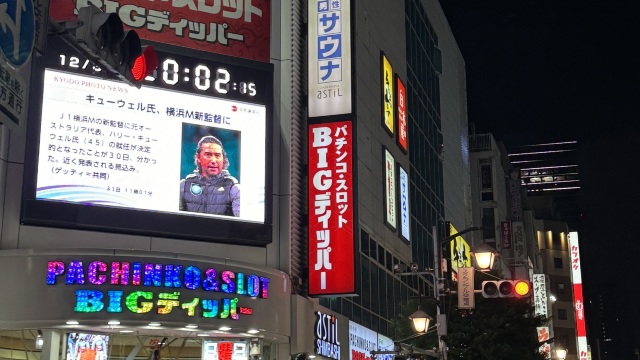
Shinjuku is the pinnacle of any Tokyo trip! During the day, you can browse department stores like Isetan and Lumine, as well as drugstores and trendy brands. At night, it transforms into a city that never sleeps, with the izakayas of Golden Gai and the neon lights of Kabukicho creating a vibrant atmosphere. We recommend visiting the Tokyo Metropolitan Government Building's observation deck for free panoramic views of the city, and on clear days, you can even see Mount Fuji in the distance. The Japanese gardens of Shinjuku Gyoen National Garden are beautiful year-round, especially during cherry blossom season, when the scenery is truly breathtaking! Transportation is incredibly convenient, with direct access to the JR Yamanote Line, making everything within easy reach. From ramen to wagyu beef, the food options are endless! The only downside is the crowds on weekends, so avoid peak hours! 🌟
5/5
Shinjuku, one of Tokyo's busiest commercial districts, boasts a unique charm and diverse culture. It's conveniently located as a major transportation hub, allowing visitors to easily explore the city. Shinjuku offers a wide variety of shopping options, from high-end brands to affordable goods. Additionally, the diverse restaurant and nightlife scene is a delight to explore. However, Shinjuku can be crowded, especially during rush hour, which can be stressful. Overall, Shinjuku is a vibrant area perfect for travelers who enjoy bustling city life.
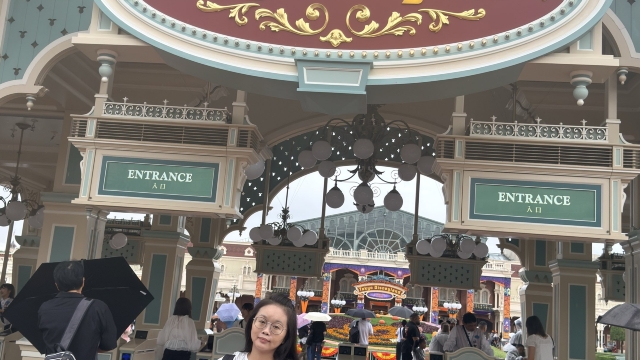
3. Tokyo Disneyland, Tokyo
Source: Colton Jones/ unsplash
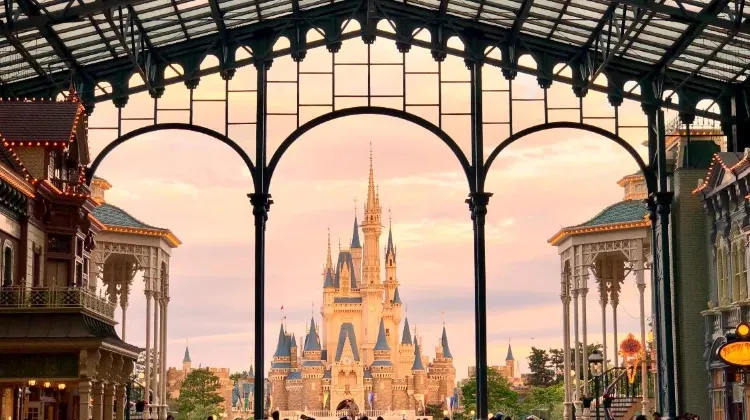
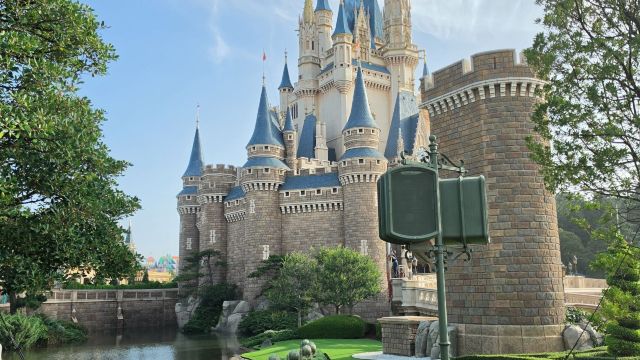
Tokyo Disneyland is situated in the Chiba Prefecture that’s part of the Greater Tokyo Area. When this magical theme park was opened in 1983, it was the first Disneyland to be built outside of the United States. When you’re there, don’t forget to visit DisneySea as well! This unique attraction can only be found in Tokyo, and you can look forward to scenic and picturesque views during your rides!
4.8/5
3872 reviews
5/5
Great! The park is huge and has a wide variety of rides. You shouldn't come alone because it will be very lonely; come with a group of friends!

4/5
This place is definitely worth a visit. Set aside a full day for Disneyland and arrive early in the morning. This will help cut down on the lines for the rides. Taking into account the lines, you can probably enjoy 4-5 rides, plus the extra admission included in the ticket price. I highly recommend visiting the Beast's Castle (from Beauty and the Beast).
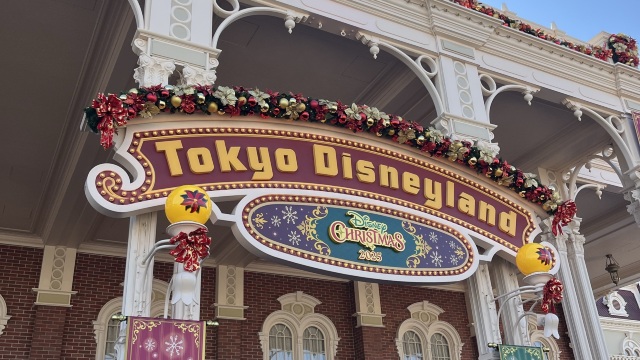

5/5
A wonderful place. A childhood dream. But once is enough. Everything is relatively expensive. I was lucky it was raining and there weren't many people; the maximum line was 40 minutes, but in reality it was only 25. Everything was wonderful. I tried all the rides and left at 5:00 PM, not waiting for the final show because it started pouring rain.
5/5
It's a realistic-looking ride, but it involves a lot of spinning. Older people might get dizzy or experience vertigo. I recommend bringing young children instead.
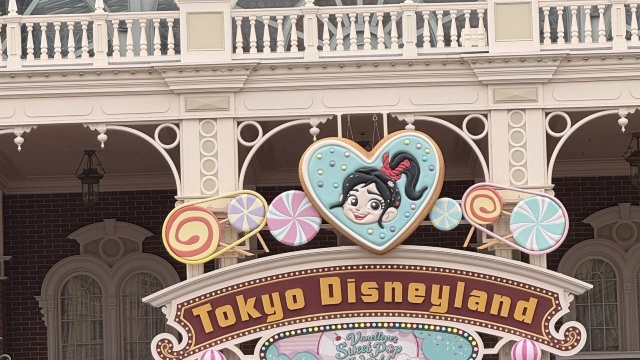

5/5
Ordering Tokyo Disneyland Tickets Through Third-Party Platforms: The Cost and Pitfalls Behind Convenience
Tokyo Disneyland has completely eliminated on-site ticket purchases; everyone must buy tickets online in advance. For overseas travelers, the official website requires registering a Japanese account and linking a credit card, which is indeed a hurdle.
Why Choose a Third-Party Platform?
The most direct reason is payment convenience. One traveler shared that linking a credit card to the Disneyland website was "too troublesome," so they chose a third-party platform, where "the price was about the same as the official website." Another traveler mentioned that when purchasing through Trip.com, "there were none of the complicated membership registration or payment errors unique to Japanese websites; I could checkout directly with a Korean credit card," and it was "slightly cheaper than the official website."
Another key scenario is last-minute ticket purchases. One traveler discovered on the day of their visit that tickets were unavailable on the official app, "Luckily, there was Trip.com; the ticketing was super fast, and scanning the QR code at the park entrance was no problem at all," stating frankly, "If I hadn't had it that day, the whole trip would have been ruined." This "firefighting" function is the most practical value of third-party platforms.
Are the prices really cheaper?
The answer depends on how you compare them. Tokyo Disneyland uses a floating ticket price system, with full-price tickets ranging from 7,900 to 10,900 yen, and prices highest during peak seasons and holidays. Third-party platforms sometimes offer discount codes or promotions, which may indeed be slightly lower than the official website price on the day. However, some travelers have experienced that "the price is about the same as the official website," saving mainly time and psychological burden, rather than real money.
It is worth noting that the "buy one get one free," "90% off," and "limited-time free" offers commonly seen online are almost always bait or scams. Disneyland officially sells tickets on a date-specific basis with a floating price, and there are no such discounts. The only truly safe channels are the official website, the official app, or reputable platforms like KKday and Klook.
Ticketing and Park Entry: Mostly Smooth, but Risks Really Exist
Based on numerous traveler feedback, ticketing speeds on reputable third-party platforms are generally very fast, and QR code entry usually works without problems. One traveler described "ticketing was fast, and there were no problems entering the park"; another said, "the mobile pass arrived quickly, and entry was very simple."
However, risks are not nonexistent. Some travelers have complained on the Black Cat Complaint Platform that after purchasing Tokyo Disneyland tickets through Meituan, they were told by Disneyland upon arrival that "this ticket has already been used, and the ticket is not in my name," directly affecting their trip. This type of problem usually occurs with unofficial or dubious third-party sellers, where tickets are resold or stolen. In addition, complaints about "skip-the-line" packages are also rampant, with third-party sellers often repackaging the official paid fast-track (DPA) service as a "fast-track package."
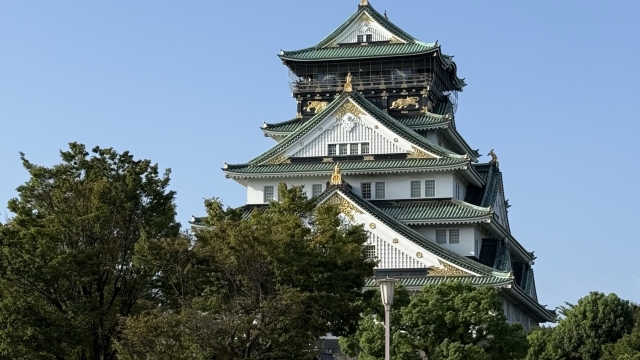
4. Osaka Castle, Osaka
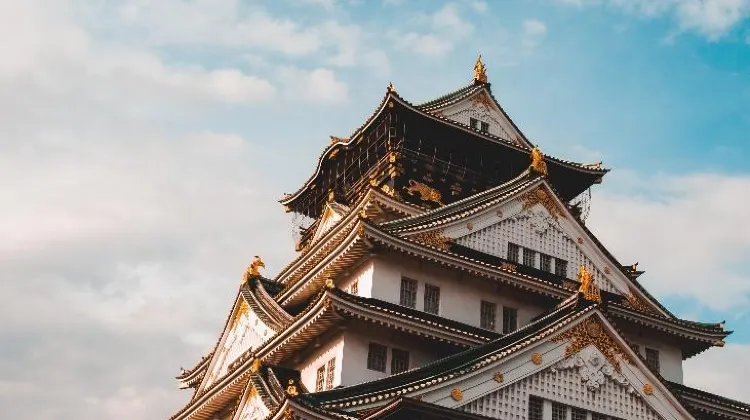
Source: Han Min T/ unsplash
The Osaka Castle dates back to the 16h century, and it is one of the most famous Japanese landmarks. The castle was commissioned by Toyotomi Hideyoshi, the great Japanese feudal lord, and it was the largest castle when it was built. The main castle building is surrounded by an impressive garden that’s one of the most popular cherry blossom viewing spots in the region. The opening hours for Osaka Castle are from 09:00 to 17:00 daily. The closest international airport to Osaka is the Kansai International Airport, which is 50 km away. The distance will take about 1 hr via train. Osaka International Airport (Itami) is another convenient choice, but this airport only serves domestic lines.
4.7/5
1379 reviews4/5
The grounds are very beautiful. We visited the castle itself, which offers a beautiful view of the city. The castle itself houses two floors of exhibits related to the castle's history. Photography is prohibited, so those unfamiliar with the history may find it uninteresting. On the second floor, for an additional fee, you can have your photo taken in period costumes and helmets.
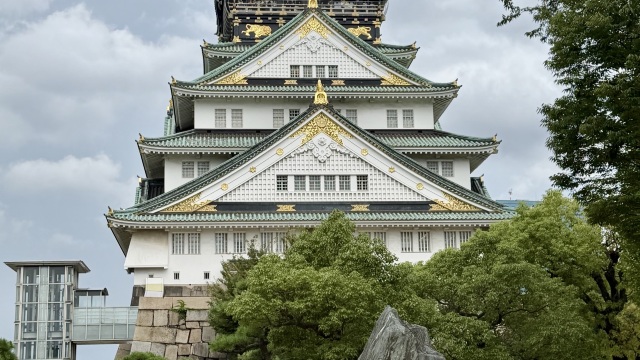
5/5
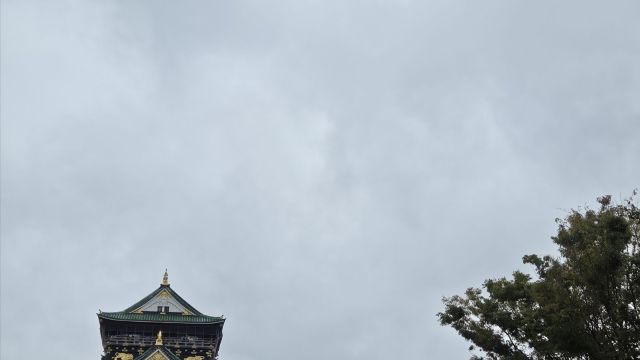
The weather was a bit cloudy but not hot, which was nice, and I had a satisfying trip to Osaka Castle.
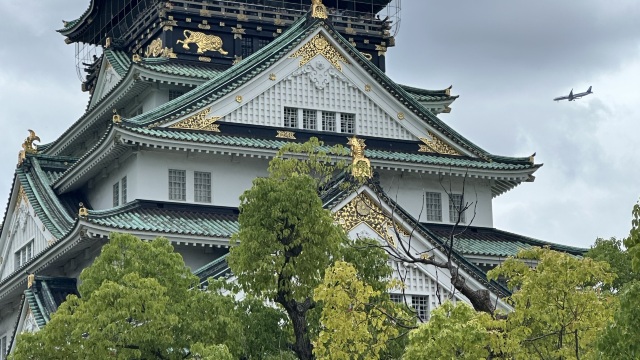
5/5
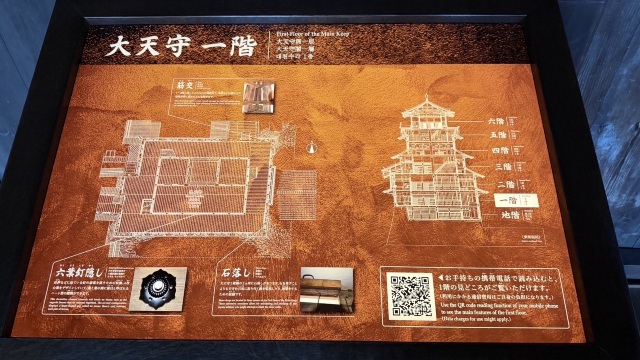
If you're visiting Japan for the first time, you should definitely visit and explore Osaka Castle. The first seven floors are occupied by a museum and exhibition area, and the eighth floor houses an observation deck.
5/5
A very beautiful place with a lot of history. The view from the top is breathtaking. I especially remember the contrast between the castle and the modern skyscrapers.
5/5
It's definitely worth a visit! Buying online is cheaper than buying on-site and avoids long queues. Just show your QR code at the gate to enter and exit. Highly recommended, definitely worth buying!
5. Dotonbori, Osaka
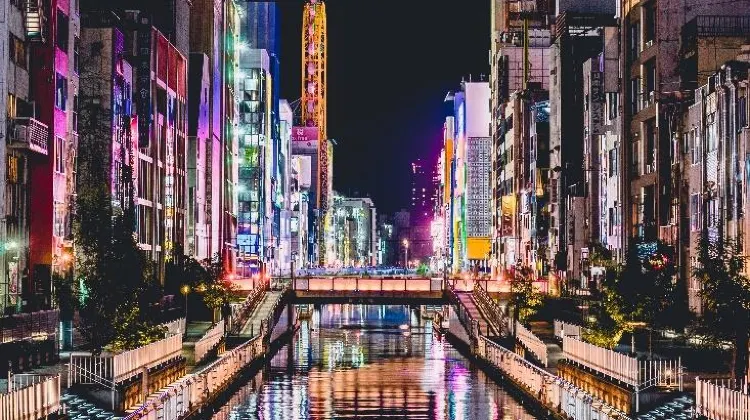
Source: Redd/ unsplash
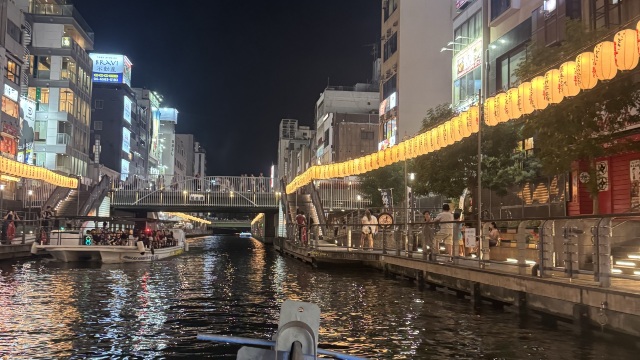
Shining neon lights, blown-up signage and a bustling crowd on both ends of the canal... it’s Dotonbori! This vibrant entertainment district in Osaka is undoubtedly a favorite among locals and tourists alike, and it’s hard not to be impressed no matter what’s your preference. Sink your teeth into delicious takoyaki or explore every inch of its massive shopping district. When you’re tired, pop into an Izakaya for some cool beer!
4.5/5
162 reviews
5/5
It was a nice tour
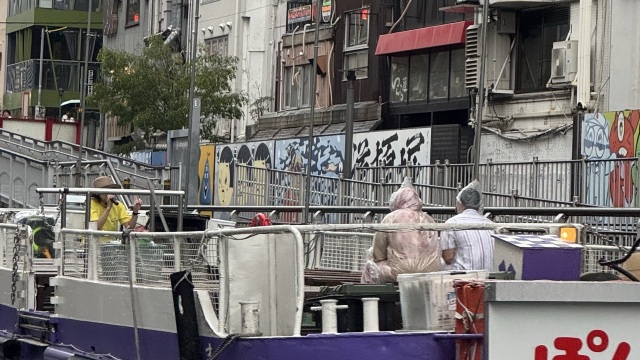
5/5
The boat trip is worth a try
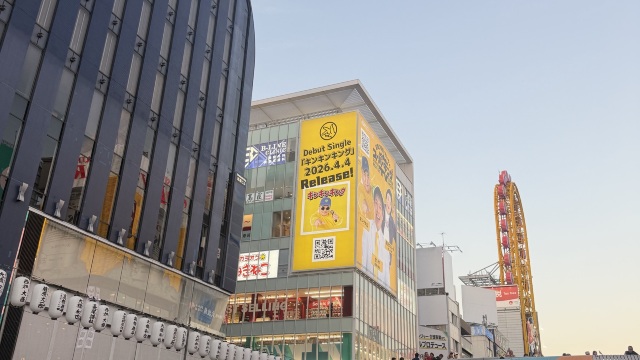

5/5
It was so good
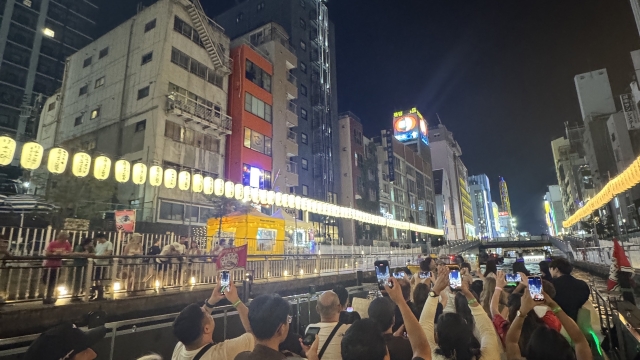
5/5
It was great! The guide was kind too, so I was even more satisfied!!
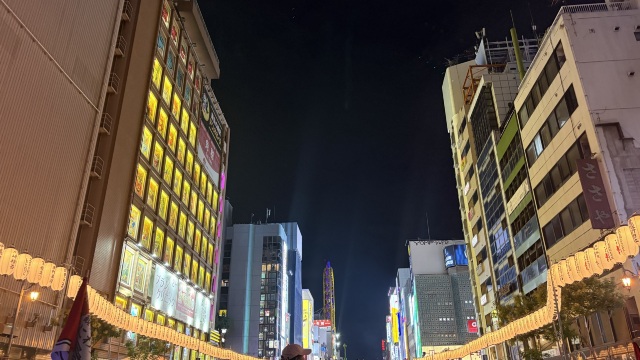
5/5
I went on the last night of my trip and it was great. I got really lost, so for those booking, I recommend going with plenty of time to spare since the boarding routes are different!!
6. Fushimi Inari, Kyoto
Source: Junsheng Chen/ unsplash
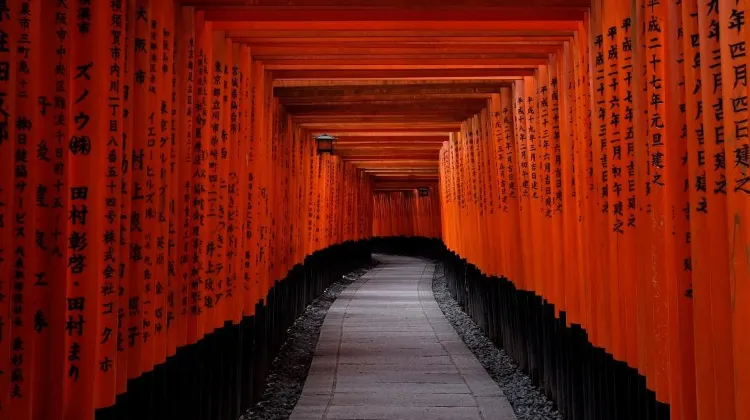
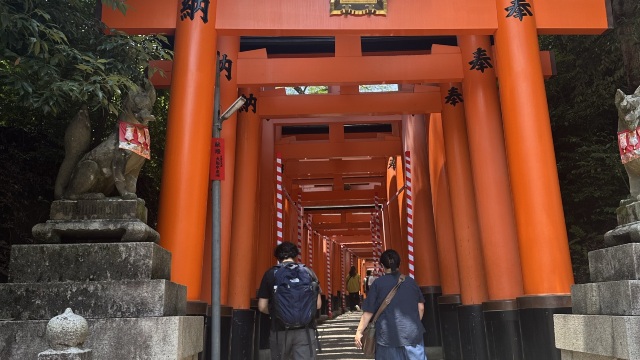
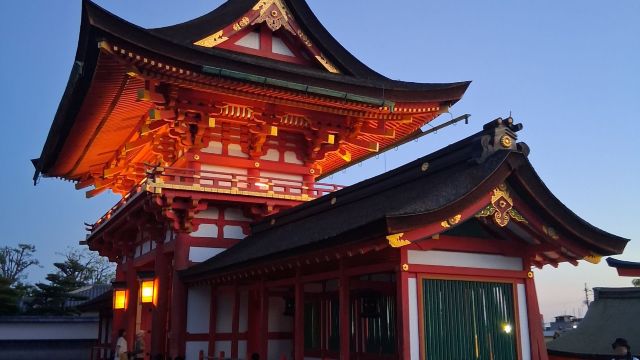
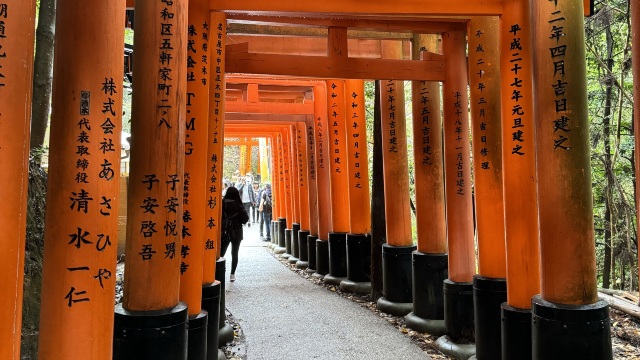
Fushimi Inari is one of Japan’s most famous Shinto shrines, and it’s known for its iconic torii gates. The shrine is dedicated to Inari, the Shinto god of rice, and foxes are known to be its messengers. Hence, you can find beautiful stone sculptures of foxes throughout the religious site. If you wish to explore the place with a lesser crowd, it’s advisable to be there early. The closest international airport to Kyoto is the Kansai International Airport, which is located 98 km away. Visitors can take the Haruka Limited Express train from the airport and reach Kyoto in approximately 1 hr 20 minutes.
4.7/5
553 reviews
5/5
The Thousand Torii Gates of Fushimi Inari Shrine are truly breathtaking. Strolling through the endless vermilion tunnel, accompanied by solemn fox statues along the way, creates a sacred and ancient atmosphere. It's recommended to visit in the early morning to avoid the crowds and quietly experience the unique charm of Shintoism. It's a classic Kyoto attraction not to be missed.

5/5
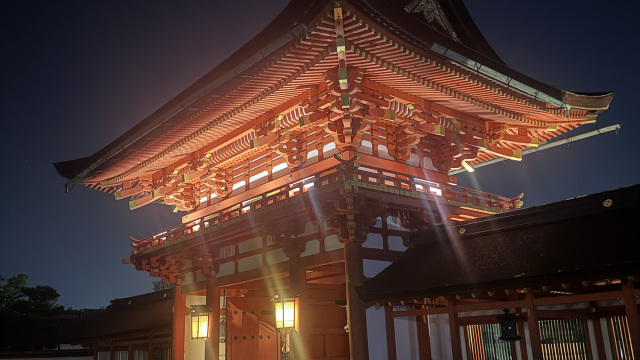
I heard it gets crowded during the day, so I went after sunset. Perhaps because it was the summer holiday season, there were still quite a few people there around 9 PM. It had a completely different atmosphere than during the day. I'd like to go back and see it at a more leisurely pace.
5/5
Fushimi Inari Taisha was a magical place. So beautiful for pictures. We went early evening before it got dark and it was perfect as not too many people. Highly recommended in Kyoto.
5/5
너무너무너무 더워서 금각사 은각사 가려던 일정을 취소하고 실내일정으로 바로 하루 전날 예약했습니다. 기대하지않았는데 볼거리도 많고 즐거웠어요


5/5
Fushimi Inari Taisha is one of the most memorable places I visited in Kyoto. Walking through the thousands of bright red torii gates felt peaceful and unique, especially as the path continued up the mountain. The atmosphere became quieter the farther I walked, making it a great place to enjoy nature and take a break from the busy city. Along the way, there were many small shrines, fox statues, and beautiful viewpoints that made the hike even more interesting. I also enjoyed trying local snacks and browsing the souvenir shops near the entrance. Visiting early in the morning helped avoid the crowds and made the experience even more enjoyable. It is a must-visit destination for anyone exploring Kyoto.
7. Arashiyama, Kyoto
Source: Walter Mario Stein/ unsplash
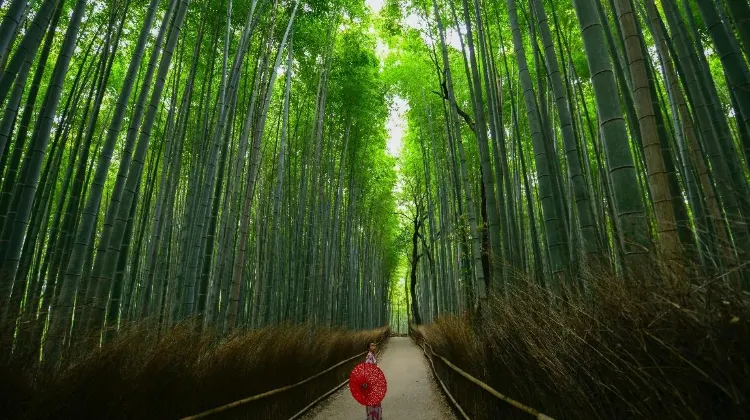
Arashiyama is another famous tourist attraction in Kyoto that has attracted visitors from all over the world with its tranquil bamboo grove. From spring to autumn, visitors can also board the Sagona Romantic Train to enjoy scenic views of the mountain. If you’re a fan of monkeys, don’t miss out on a chance to spot them at Kameyama-koen Park!
4.7/5
1750 reviews5/5
I chose a cool, overcast day to head into the mountains. Without worrying about the scorching sun, I slowly climbed the shady trail through the broadleaf forest. The wind rustled gently through the leaves, washing away the headaches and dizziness accumulated from days of continuous overtime. The higher I went, the more the clouds seemed to float overhead. The rolling green mountains appeared particularly serene and imposing in the overcast weather. The distant plains were shrouded in a thin layer of mist, like a watercolor painting with blurred lines, even the lines softening. Streams leaped among the rocks along the way, making melodious tinkling sounds. I cupped a handful of water, the cool touch spreading from my fingertips to my heart. There were no noisy broadcasts, only the tranquility of the mountains to keep me company. I stood quietly on the mountaintop for over ten minutes, not thinking about anything, just gazing at the mountain scenery before me. On the way down, my mind felt exceptionally clear. The work summary I'd been struggling with for so long was finished smoothly shortly after I got back to my accommodation. Even my boss praised my exceptionally clear thinking this time 🌫️. The mountains in late summer were several degrees cooler than the city. Carrying a canvas backpack full of iced soda, I walked towards the summit. The camphor trees along the path provided ample shade, completely dispelling the irritability caused by the sweltering heat. Crickets chirped crisply in the grass at my feet, and the whole world was filled with the vitality of summer. The higher I went, the stronger the wind became. The layers of mountains rolled in the greenery, and the windmills on the distant mountaintops turned slowly. Blue sky and white clouds drifted overhead—the whole scene was quiet yet full of power. Along the way, I encountered several locals hiking with their yellow dogs. The little dogs wagged their tails and ran up to me, rubbing against my pants. They were so cute that I couldn't help but bend down and pet their heads. There was none of the indifference and haste of the city; warmth and kindness were everywhere. Standing on the mountaintop, I opened a bottle of ice-cold salted soda and took a sip. The bubbles danced in my mouth as I looked down at the boundless scenery. Suddenly, I felt that all the trivial things that made me angry weren't worth wasting my emotions on. On the way down, I bought a bowl of chilled handmade grass jelly from a stall at the foot of the mountain. It was sprinkled with crushed peanuts and brown sugar syrup. One sip and the coolness warmed my heart. The sweltering heat of the whole summer was completely chased away by this refreshing treat.
5/5
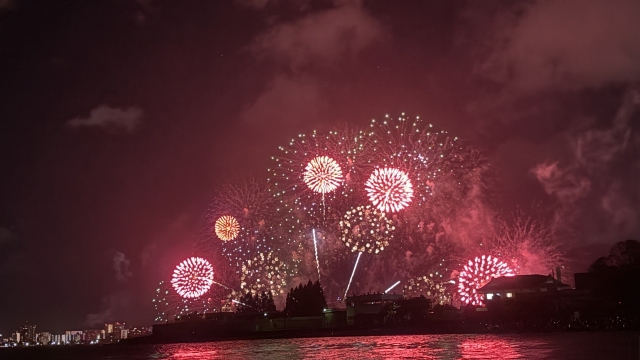
It was a lovely tour. Unfortunately, the second temple was already closed. As an alternative, we visited the shopping center in town. The fireworks are definitely worth seeing.
5/5
Having just recovered from a prolonged illness, I was so weak I could barely walk. The few days I spent at this hotel gradually restored my energy and spirit. It allows you to shed your fatigue and let your soul find poetic peace in its tranquility. All the lighting was soft and warm, not too bright to make you dizzy; the bed's firmness was just right to support your back, preventing soreness after lying down for a while; the meals were warm, easily digestible congee and side dishes; even the air had a mild scent, not irritating my sensitive respiratory tract. Every day I leisurely strolled in the courtyard, watching the wildflowers slowly bloom in the corner, sitting under the eaves basking in the sun, even my steps were light. There was no need to rush my recovery, no need to force myself to get better quickly. I stole a half-day of leisure, finding a long-lost sense of ease and freedom. Those few days I lived entirely at my own pace, without any pressure or urging, and my recovery was much faster than I had expected.
5/5
Wanting to escape the distractions of acquaintances on our wedding anniversary and find a quiet place to spend two peaceful days with our loved one, this hotel perfectly fulfilled our romantic desires. It allowed us to shed our weariness and let our souls find poetic peace in tranquility. There were no clichéd, noisy decorations; only a bathtub by the window, filled with perfectly warm water and sprinkled with fresh rose petals, and a wicker chair on the terrace basking in the warm sunshine, the fragrance of distant flowers wafting in on the breeze. We silenced our work phones, leaned against each other, and watched the sunset slowly paint the sky orange. The clinking of glasses made time seem to slow down, almost stopping. No need to deal with family dinners, no need to post ceremonies on social media; we stole a half-day of leisure, finding a long-lost sense of ease and freedom. We talked until late that night, without taking a single deliberate photo, yet we etched this relaxed romance into our memories.
5/5
Before checking in, I casually mentioned that I had a bad back, but the moment I opened the door, I was struck by the understated thoughtfulness. This hotel truly embodies the principle of "quality in the details," interpreting the highest level of hospitality through meticulous service. The bed's firmness had been subtly changed to a back-supporting type, an extra thin pillow to support the lower back and abdomen was placed beside the bed, and even the soles of the slippers were thickened to perfectly support the arches of the feet. Throughout my stay, no staff chased after me repeatedly to inquire about my needs, yet they always thoughtfully provided assistance the moment I noticed any inconvenience: after a bath, I found that the collar of my bathrobe had been softened beforehand to prevent chafing; while I was working at my desk late at night, a cup of warm, not-too-scalding honey water was quietly placed on the corner of the table, and they left without a word, without even a brief exchange of pleasantries. This perfect sense of propriety is the highest form of gentleness and respect; there's no awkwardness from excessive enthusiasm, only the reassurance of being comforted. I stayed for three days, and every little detail revealed their unassuming care.

8. Kiyomizu-dera, Kyoto
Source: Ritz/ unsplash
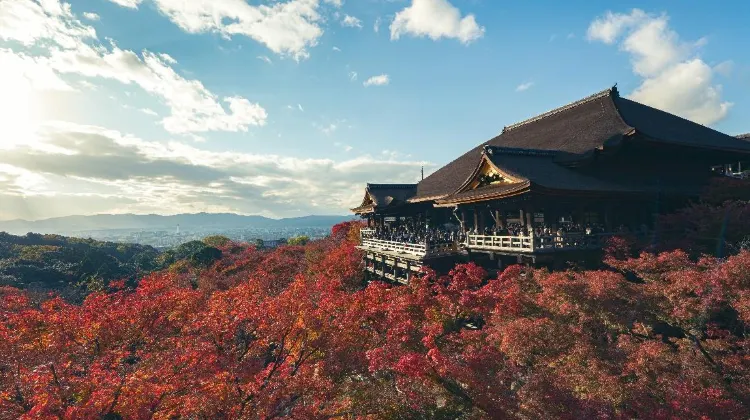
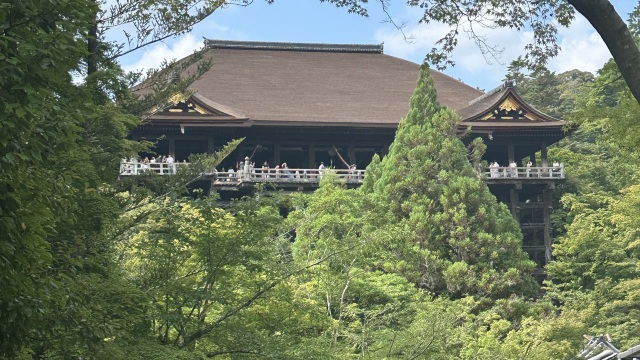
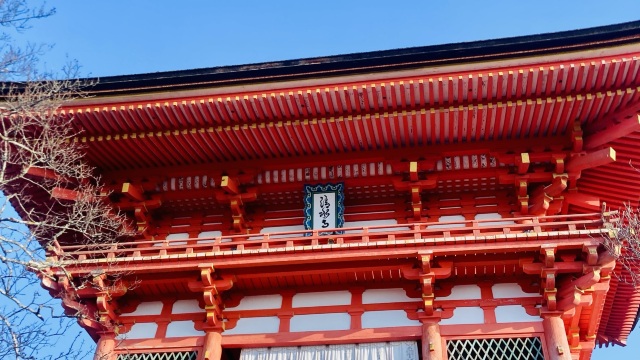
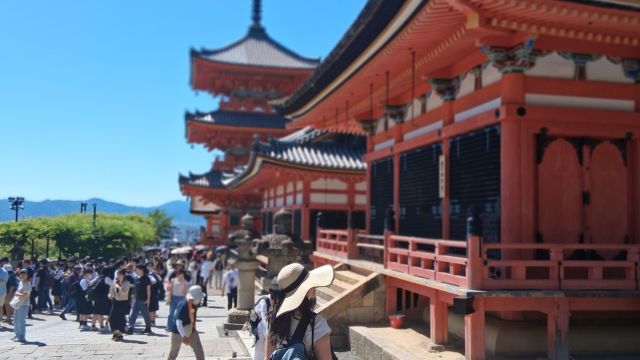
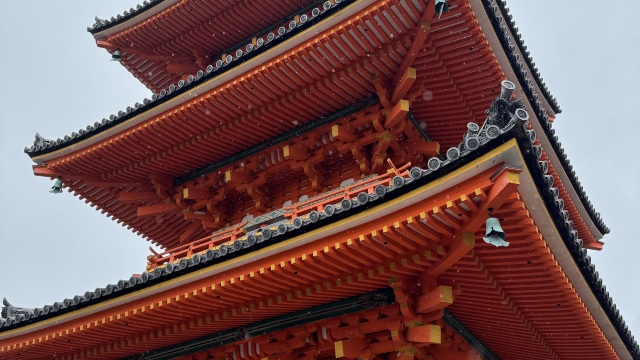
Kiyomizu-dera's name means the “Pure Water Temple”, and its origin can be traced all the way back to A.D. 780. This renowned temple in Kyoto was designated a UNESCO World Heritage site in 1994. In the temple, you can find a wooden stage built without nails. The temple is also famous for the Otowa Waterfall where you can drink the water for good luck. Kiyomizu-dera is open from 06:00 to 18:00 daily.
4.7/5
1879 reviews5/5
Kiyomizu-dera Temple boasts a magnificent wooden main hall and a suspended stage, offering panoramic views of the lush green mountains and Kyoto cityscape. Visit Otowa Waterfall to pray for health, academic success, or love, and stroll along the quaint Ninenzaka and Sannenzaka streets to soak in the rich traditional atmosphere. It's recommended to visit before evening to witness the breathtaking sunset and the interplay of the ancient temple with the surrounding scenery.
5/5
You can make a reservation one day in advance. It's near the Kiyomizu-dori entrance. After changing your reservation, you can go directly to Kiyomizu-dera Temple along Kiyomizu-dori Temple. Since the Kiyomizu-dera Temple entrance ticket is included, it saves you a lot of trouble.


5/5
Kyoto's number one must-visit spot! It was even more crowded than when I went seven years ago. That is a bit of a downside, but despite that, it is a place you absolutely must visit. I also have a drink at Otowa Falls and make a wish for good fortune.
5/5
We were there in May and the weather was perfect. We had to walk up Gion path to be rewarded with Kiuomizu-dera Temple. Recommend to wear comfortable shoes as it was a long walk up cobble stones up the hill to get there. Make sure you take your time to find other hidden gems there. It was a treat for us to grab some delicious matcha ice cream on our way back.
5/5
Kiyomizu-dera is one of the most beautiful temples I visited in Kyoto. The historic wooden stage offers a stunning panoramic view of the city, especially during the spring and autumn seasons. Walking through the temple grounds was peaceful, with traditional buildings, beautiful gardens, and a calm atmosphere. I also enjoyed exploring the charming streets leading to the temple, filled with local snacks, souvenirs, and traditional Japanese shops. The temple’s rich history and impressive architecture made the visit even more meaningful. Although it can get crowded, the experience is well worth it. I recommend visiting early in the morning or later in the afternoon to enjoy a quieter atmosphere and take beautiful photos. It is a must-visit attraction for anyone exploring Kyoto.
9. Himeji Castle, Himeji
Source: Vladimir Haltakov/ unsplash
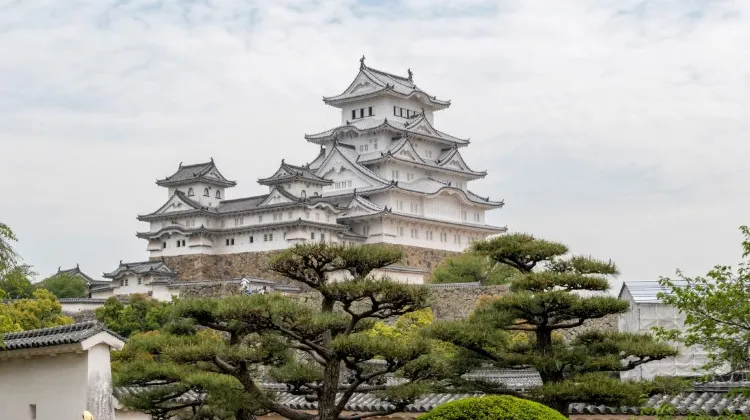
Himeji Castle is Japan’s best preserved feudal castle, and it’s known for its iconic white and elegant appearance. The castle exhibits early 17th-century Japanese castle architecture. It was never destroyed by natural or manmade disasters, and its original structures still stand today. It’s no wonder why it was designated as a UNESCO world heritage in 1993. The opening hours for Himeji Castle are from 09:00 to 16:00 daily. The closest major international airport to Himeji is the Kansai International Airport, which is 130 km away. The distance will take 2 hr via train and bus.
4.8/5
108 reviews5/5
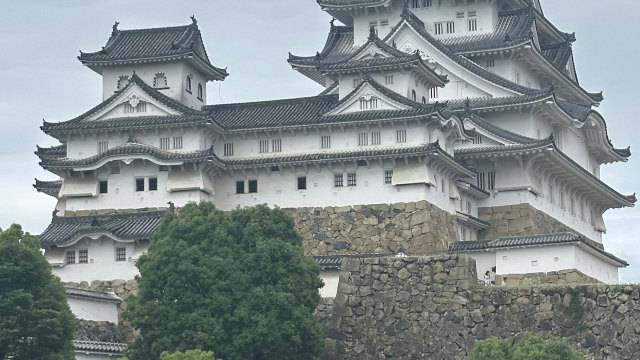
This visit to Himeji Castle gave me a deeper understanding of Japanese history and traditional architecture. Himeji Castle is renowned for its pristine white exterior, resembling a white heron spreading its wings from afar, hence its nickname "White Heron Castle." Upon entering the castle, I discovered it's not just beautiful on the outside, but a historical building that combines defense, daily life, and culture.
Walking along the winding roads within the castle, I saw narrow passages, steep staircases, and intricate gate designs, which gave me a sense of the importance the builders placed on military defense. Climbing to the top of the castle tower and overlooking Himeji City, I could better imagine the lords who once commanded the entire castle. During the visit, I also noticed how remarkably well-preserved the wooden structures were; from the beams and pillars to the floors and windows, one could feel the rich historical atmosphere.
What impressed me most about this trip was that Himeji Castle has maintained its original appearance after hundreds of years. It's not just a tourist attraction, but more like a history textbook that you can walk into and read yourself. Through the actual visit, I gained a deeper understanding of the importance of preserving cultural heritage, and realized that travel is not just about appreciating scenery, but also a way to understand different eras and cultures. This trip to Himeji Castle gave me more than just beautiful scenery; it also deepened my understanding and respect for Japanese history.

5/5
White gorgeous castle that is well preserved. Easy to walk around the entire grounds even with kids. You can get spectacular aerial view from the rooftop of Egret Himeji イーグレひめじ building. Usually there are food stalls and markets on the way to the castle, that can be a fun thing to do.
5/5
Himeji Castle, one of Japan's most famous and incredibly beautiful castles, has a vast grounds. The weather was perfect on the day I visited, making every photo stunning. Tickets are available to enter the castle tower and explore each floor, offering panoramic views of the surrounding cityscape. If possible, a guided tour is highly recommended to delve deeper into the castle's beauty. It's truly a beautiful castle, and it must be even more breathtaking when the cherry blossoms are in full bloom!
Himeji Castle
Opening Hours: 09:00-16:00
Address: 68 Honmachi, Himeji City, Hyogo Prefecture 670-0012
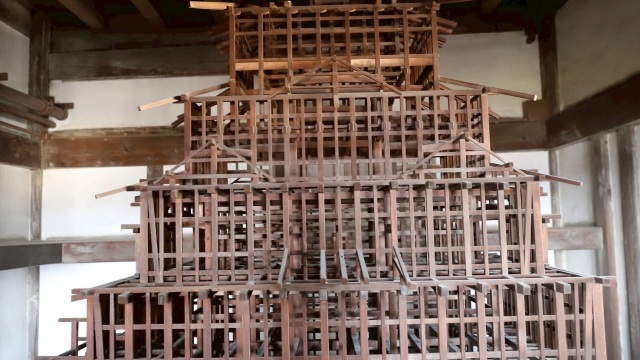

4/5
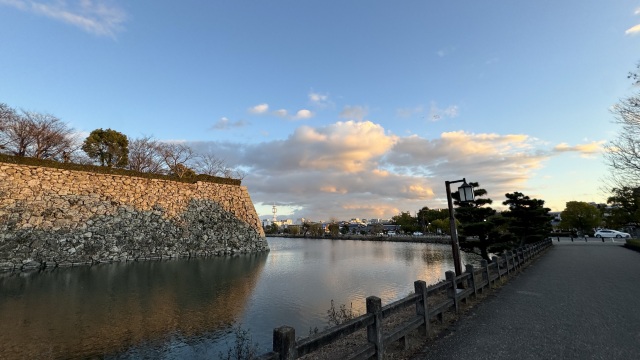
A beautiful castle with excellent access! The illuminations are also recommended.
As soon as you get off at Himeji Station, the castle is directly in sight, so it's easy to walk there without getting lost. The scenery along the way is also beautiful, making for a relaxing stroll. The surrounding area is a spacious park, so it's recommended for both castle viewing and strolling. The illuminations after sunset are especially magical and beautiful, making a nighttime visit an unforgettable experience. However, please note that admission is only available until 4:00 PM! Its grandeur, worthy of a World Heritage Site, is a must-see for history buffs. I'd like to return during cherry blossom season.
5/5
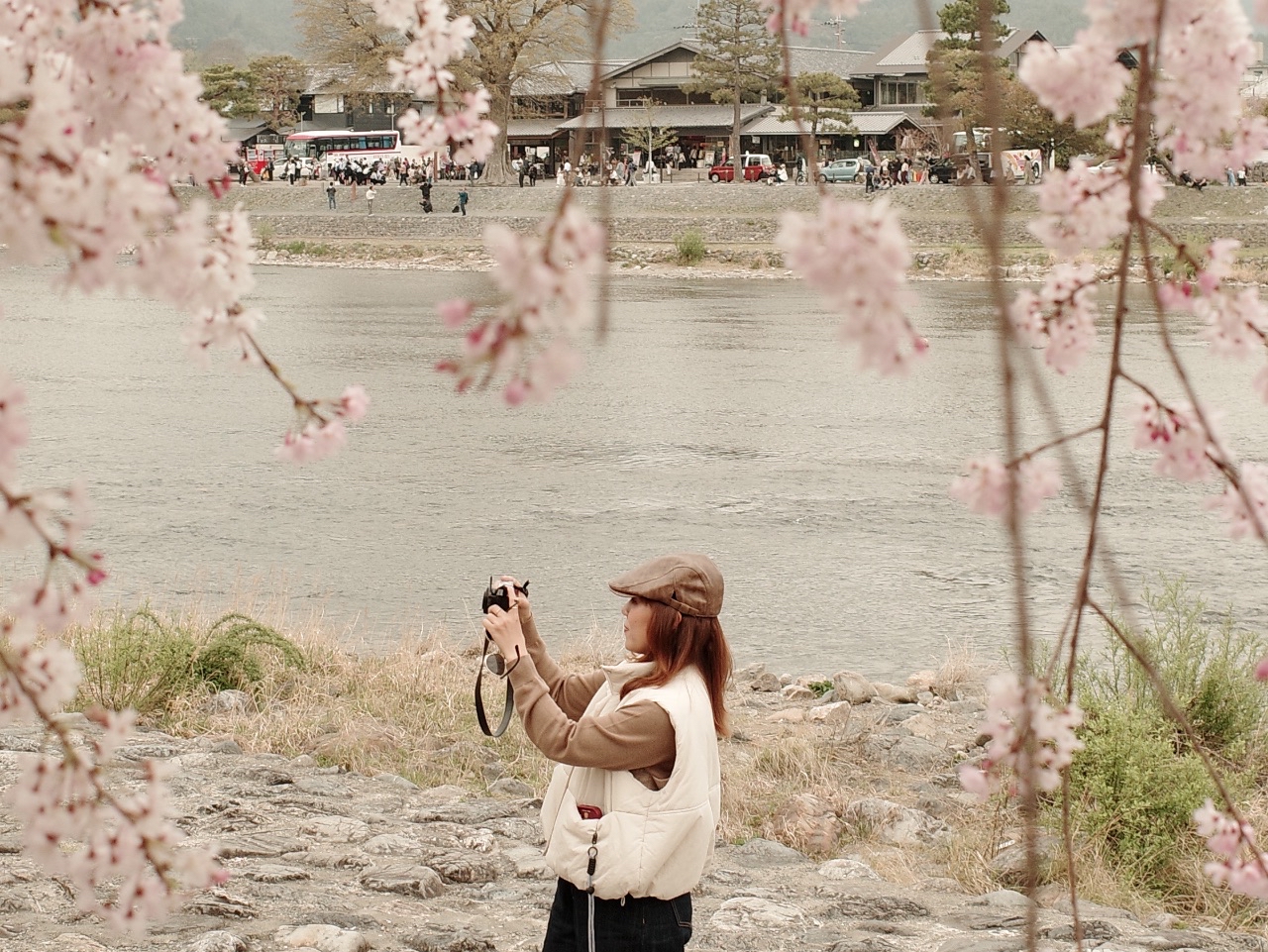
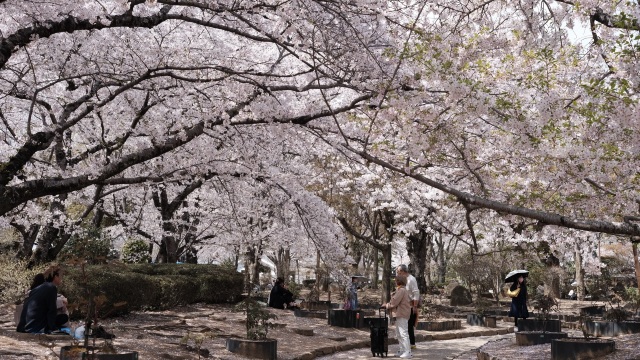
Himeji Castle is a hilltop Japanese castle complex situated in Himeji, a city in the Hyōgo Prefecture of Japan. Himeji Castle is the largest and most visited castle in Japan, and it was registered in 1993 as one of the first UNESCO World Heritage Sites in the countryOver 1,000 cherry trees can be found in the castle's grounds. The blossoms are free to see in the outer grounds, but a fee is required if you'd like to see the inner castle grounds' blooms.Visited here on 8 April 2025. All flowers are bloomEasy for day trip from Kyoto/ Osaka by using JR pass
10. Ginzan Onsen, Yamagata
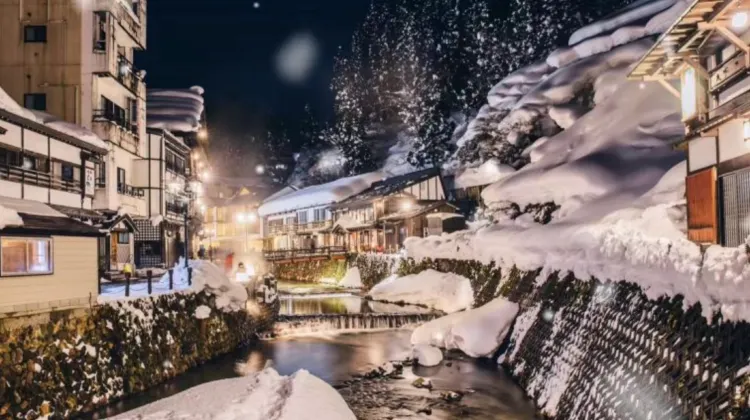
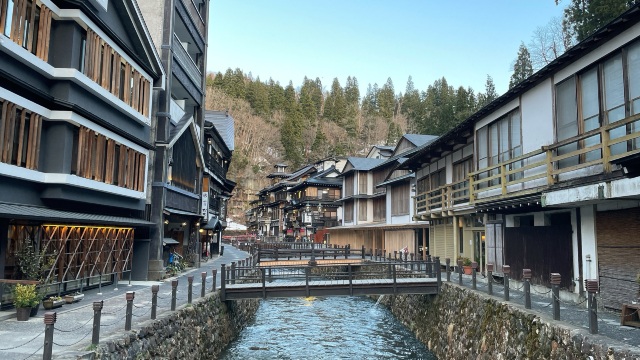
Ginzan Onsen is a pretty hot spring town situated in the mountains.
If you love soaking in hot baths, be sure to give Ginzan Onsen a visit! Onsen refers to Japanese hot springs, and Ginzan Onsen is one of the most popular (and prettiest) onsen places in Japan. Here, you can find traditional Japanese ryokans (inns) lining the streets, offering visitors a place to relax and enjoy the mountain views around them. The closest airport to Ginzan Onsen is the Yamagata Airport, which is 42 km away. From the airport, there is a direct bus to Ginzan Onsen departing three times a day. The ride takes about 1 hr and 15 minutes.
4.8/5
52 reviews
5/5
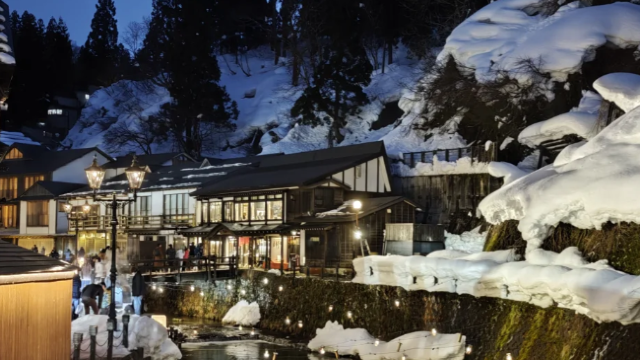
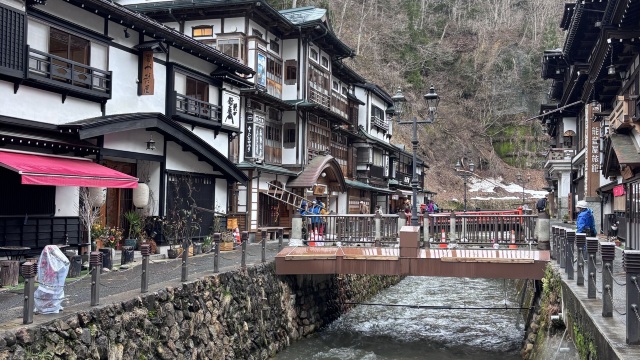
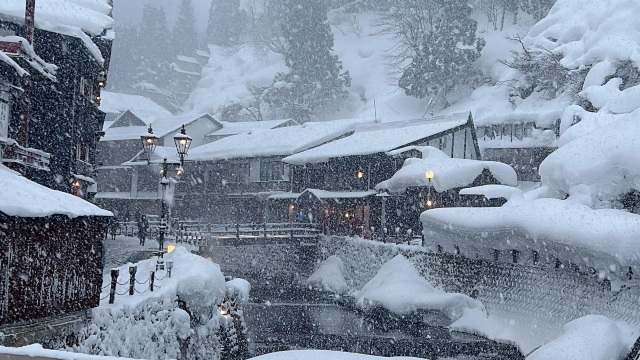
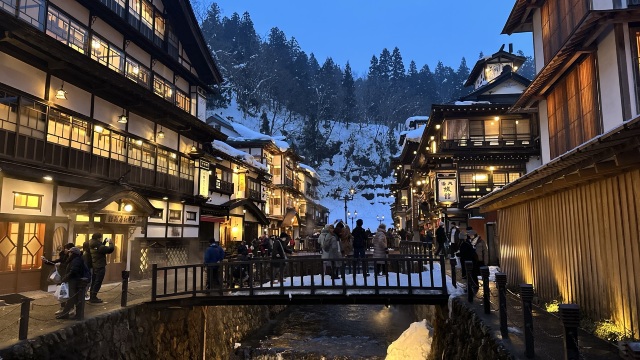
Ginzan Onsen is located in Obanazawa City, Yamagata Prefecture, Japan. It is a hot spring village with a history of over 500 years. It is famous for being the filming location for the Japanese drama "Oshin" and is considered to be the inspiration for the hot spring house in "Spirited Away". Along the banks of the Ginzan River, wooden inns that retain the style of the Taisho era create a strong nostalgic atmosphere. In winter, the snow scene and gas lamps are intertwined, just like walking into an animation scene. In addition to soaking in the hot springs, visitors can also stroll through the hot spring street, taste local food, or visit attractions such as Baiyin Park. Ginzan Hot Spring is a healing place that combines history, nature and culture.
5/5
The scenery during the day and at night is different. It is recommended to stay a little later to see the night view.

5/5
It's really worth putting on your travel list.
5/5
The snow was piled up much higher than my height, and it was so cold I felt like I was freezing.
The snow and the lights created a great atmosphere, so no matter where you took a photo it looked great!!
If you go during the snowy season, make sure to dress warmly!
5/5
I went there on a drive during the snow melting season. I didn't book a hotel, but there was a foot bath along the river, so I enjoyed going to the hot spring town just for that. I think it's the perfect place if you want to escape the hustle and bustle of the city in a tranquil place deep in the mountains.
11. Mount Fuji, Shizuoka/Yamanashi
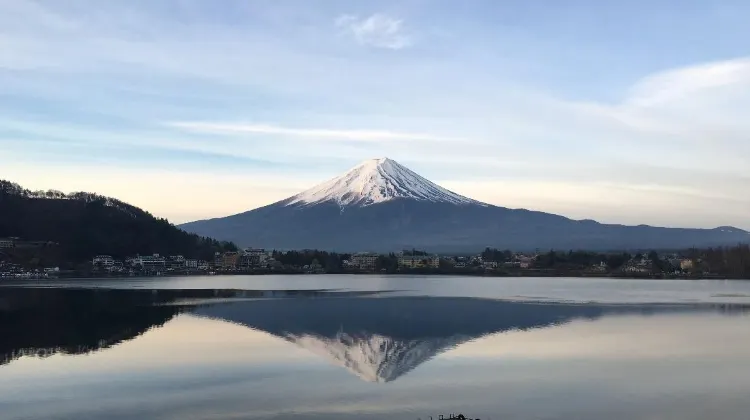
Source: Tommy Silver/ unsplash
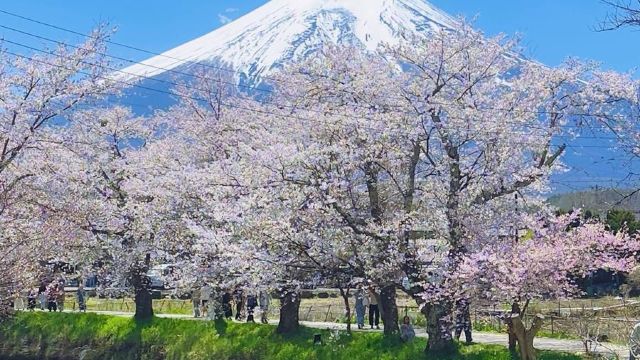
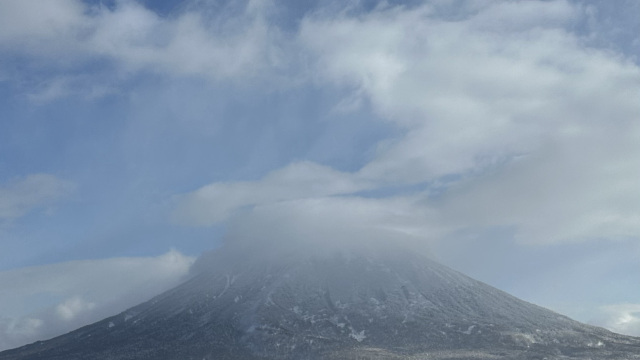
Mount Fuji is Japan’s highest mountain, and it sits on the border between Yamanashi and Shizuoka prefectures. Mount Fuji is Japan’s most iconic mountain, and there are countless Japanese products named after it. To admire the majestic sights of Mount Fuji, visitors can head to Lake Kawaguchi located in southern Yamanashi Prefecture.
4.8/5
426 reviews5/5
Thanks to Virginia, it was an exceptional tour. A fun guide who explains everything very clearly. I would definitely do it again and I wholeheartedly recommend it.

5/5
It’s very nice. Very scenic and pretty. I went there during last winter with friends. And trust me, whn you reach there, your first impression will be “wow”!!! The mount is fully covered w snow, and it looks so pretty. It’s definitely worth a visit .
5/5
good trip in japan with mount fuji

4/5
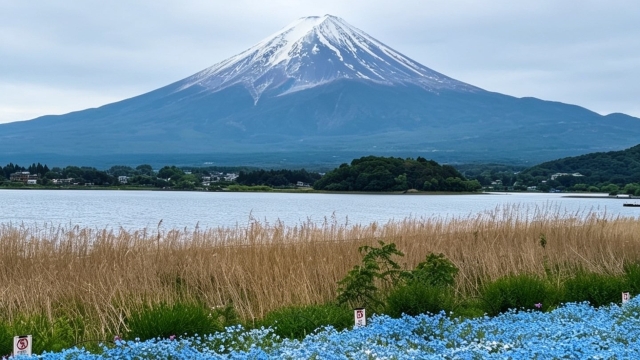
Unfortunately, we weren't lucky enough to see Mount Fuji in June, even in sunny weather, but otherwise we really enjoyed everything.
There are many interesting locations for great photos.

5/5
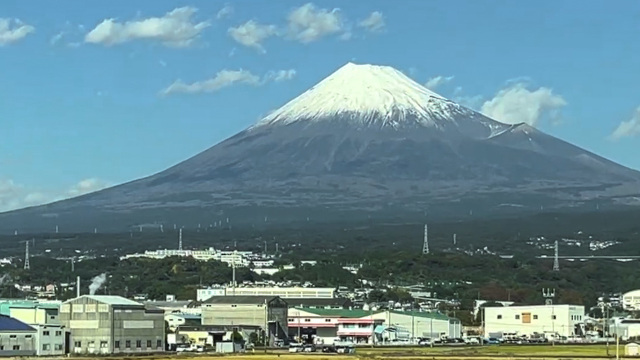
I just got lucky to see Mount Fuji when I was taking a train from Kyoto to Tokyo. Visited Tokyo so many times this is by far the most clearest view I can see the entire Mount Fuji. Sometimes it’s really by luck due to the weather with clear skies. It’s truly breathtaking. 😍 Have you seen Mount Fuji before? Share some of your experiences and photos or video in this post. We would love to see you share 🥰
12. Nara Park, Nara
Source: Timo Volz/ unsplash
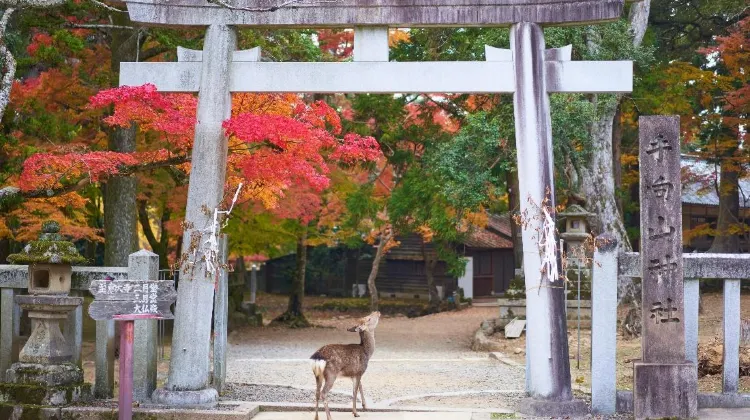
Nara Park is located in central Nara, and this is where you can find the famous Todaiji Temple which was constructed in A.D. 752. Nara Park is also known as a deer park, and you can find deer roaming freely here! If you wish to interact with the deer, simply purchase some deer crackers! The closest international airport to Nara is the Kansai International Airport, which is 78 km away. The distance will take 1 hr 30 minutes by train.
4.6/5
2006 reviews5/5
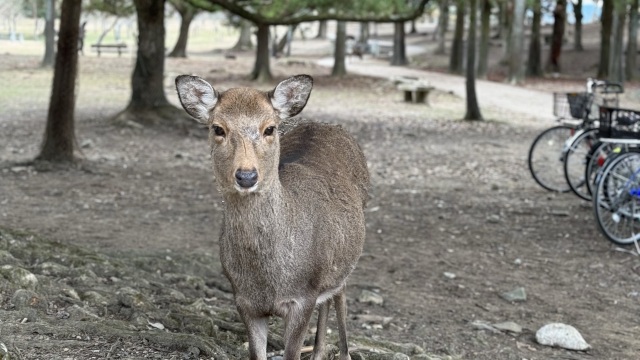
Nara Park is a beautiful place to enjoy nature and experience one of Japan’s most famous attractions. The friendly deer roaming freely throughout the park made the visit unique and unforgettable. Feeding the deer with special crackers and watching them bow before receiving food was a fun experience. The park is spacious, with peaceful walking paths, large green lawns, and beautiful scenery. I also enjoyed visiting the nearby temples and shrines, which added to the cultural experience. The atmosphere was relaxing, especially in the morning when there were fewer crowds. It is a perfect place for families, couples, and photographers. I highly recommend visiting if you are looking for a mix of nature, history, and memorable interactions with the famous Nara deer.
4/5
My family and I visited the park and loved it. I recommend bringing some food with you before heading to the park (you can buy some for the reindeer on site for 800 eyen), as there aren't many places nearby with snacks for children. Also, check your route to Nara, as Google and GPS sometimes plot routes with one or two transfers, even though you can drive directly to Nara.
4/5
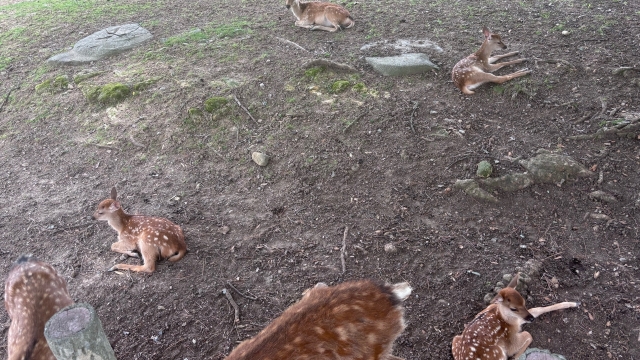
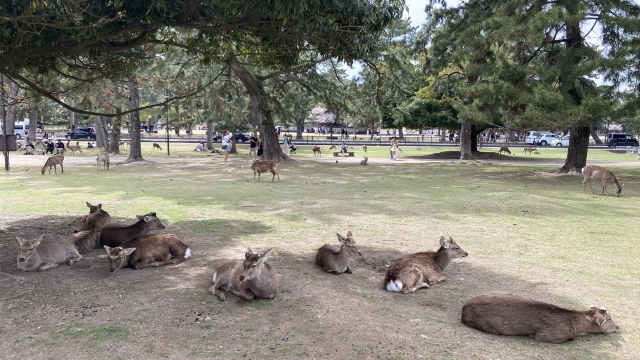
The deer were everywhere, leisurely napping or eating deer crackers. They were docile as long as you didn't touch them or get too close. They even bowed to us.
There were many foreign tourists, and it was crowded even though it was a weekday.
5/5
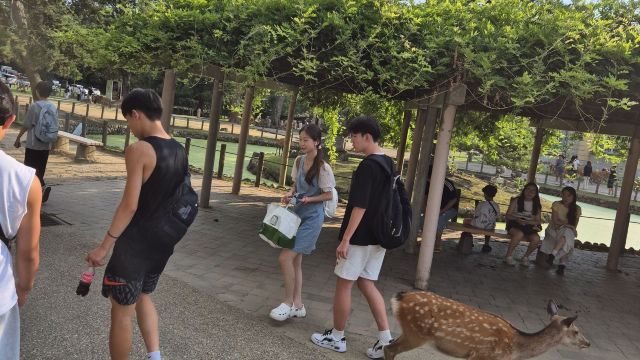
Deer are so cute, kind, and gentle! Highly recommended!
5/5
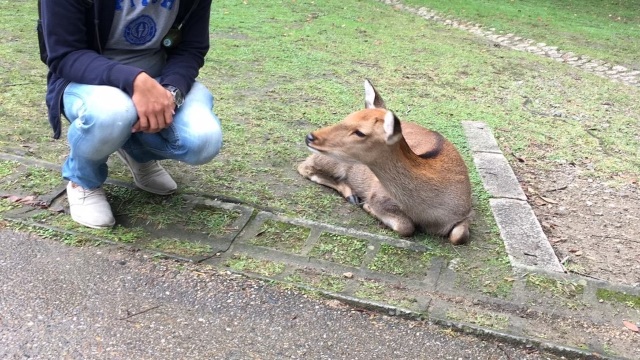
There are many special and impressive deer in the park. There is feed for deer for sale in the park. It is recommended to buy it and feed it. When you have feed in your hand, a large group of deer will approach you and even bite your feed directly. It is a very interesting experience. I recommend that you don’t miss this attraction when you come to Nara, Japan. Five-star praise!
More information about Japan
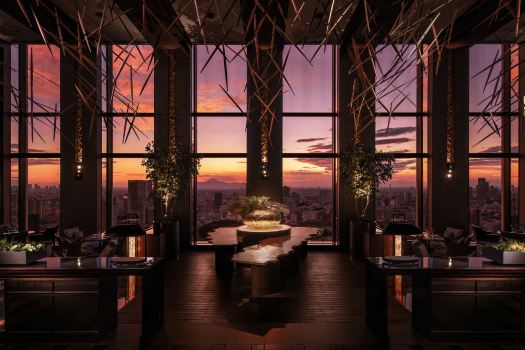
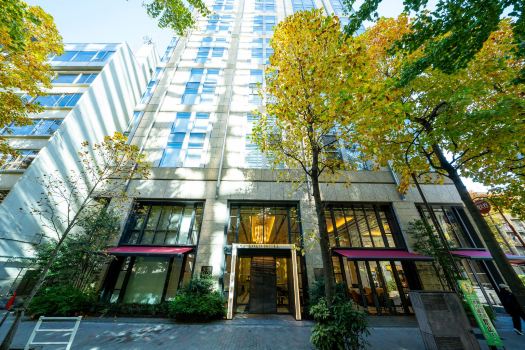
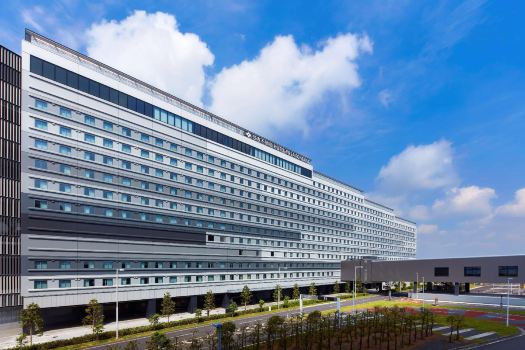
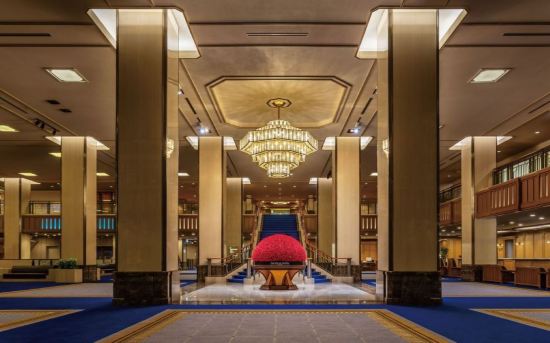
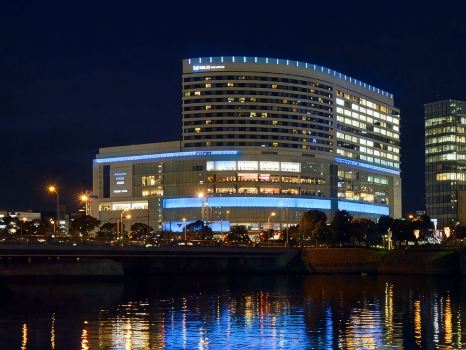
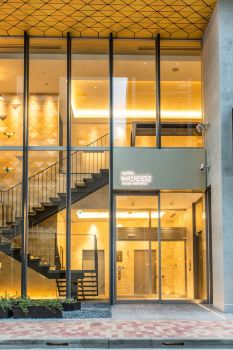
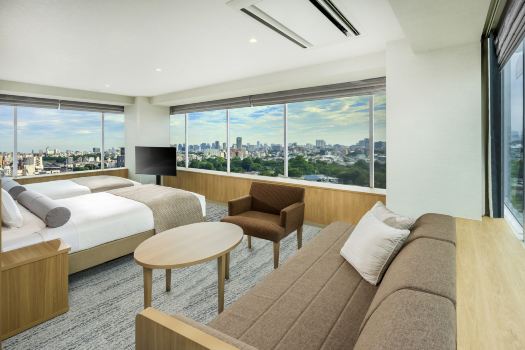
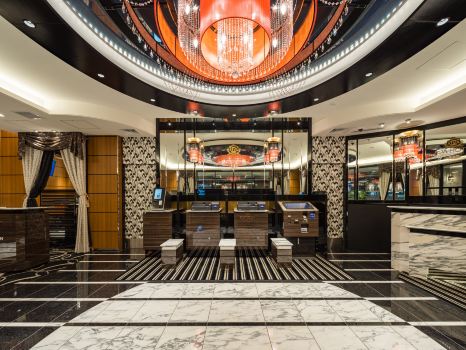
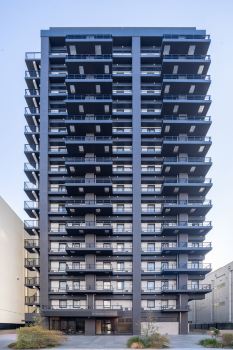
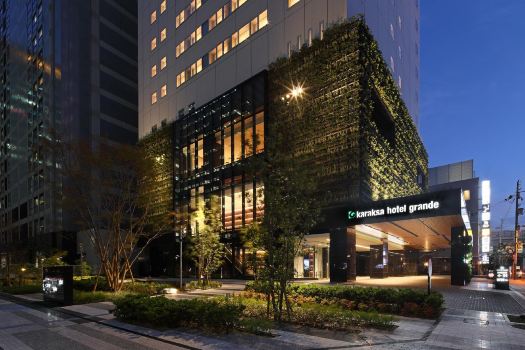
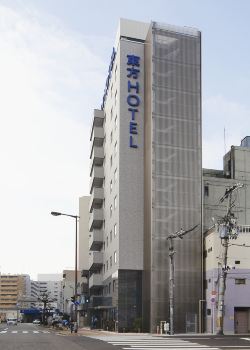
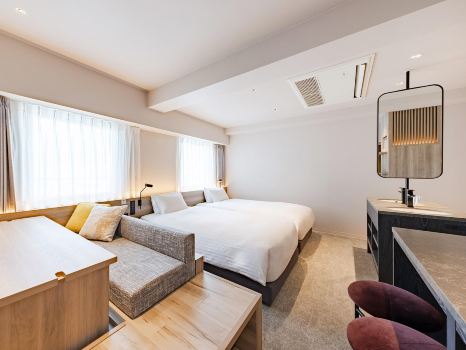
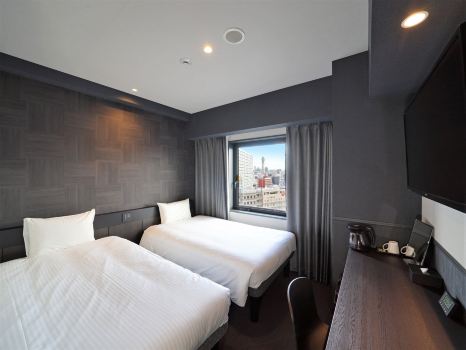
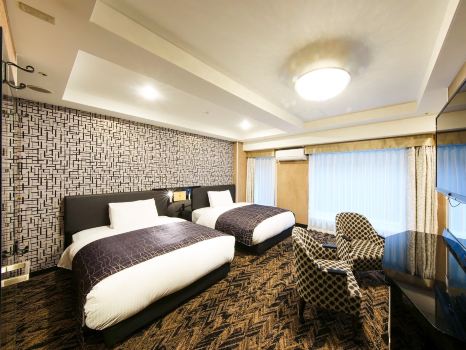
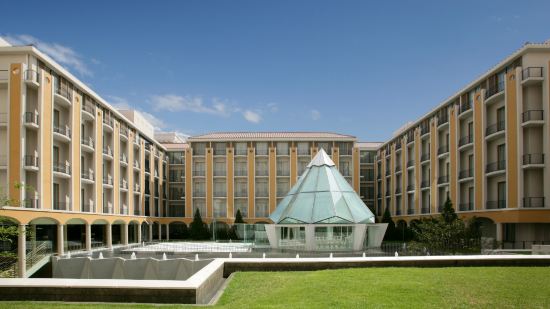
Japan Hotel Recommendations
Tokyo Hotels
Osaka Hotels
Kyoto Hotels
See All Hotels


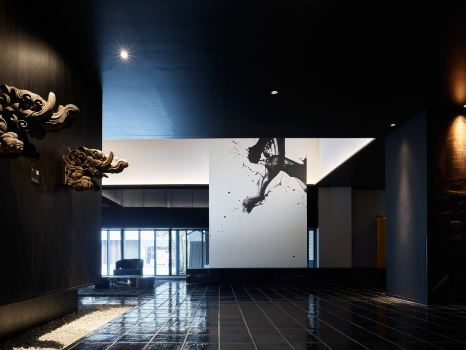
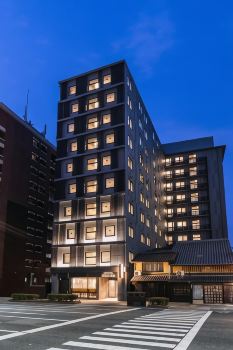
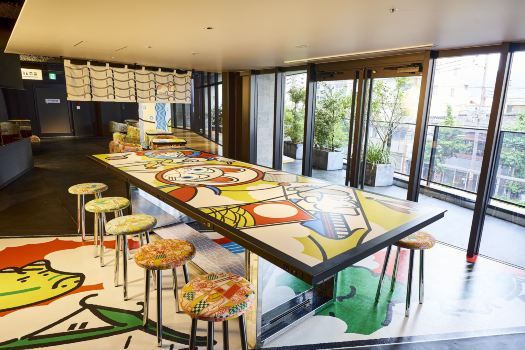
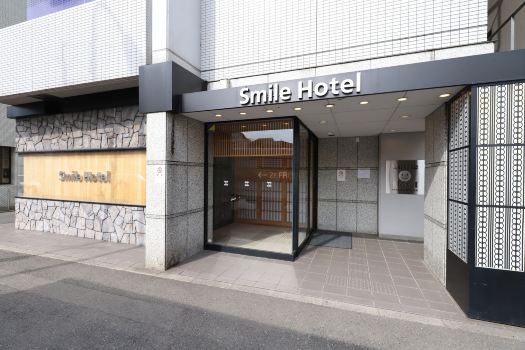
FAQs about Visit Japan Web & Travel to Travel
-
What is Visit Japan Web?
-
Why should I register for Fast Track on Visit Japan Web?
-
Does Visit Japan Web cost anything?
-
Do I still need a visa?
-
Can I register my family under my account?
Disclaimer: This article has been provided by an individual contributor or third party platform. If there is any discrepancy regarding the copyright, please contact us directly and we will delete the content immediately.
Trending Searches
-
Air Travel Guide
-
Latest Flight Deals
-
Popular Flight & Hotel Packages
-
Getting Around
-
eSIM/SIM card
- Medellin Vacation Packages
- Hong Kong Vacation Packages
- Tokyo Flight and Hotel
- Koh Samui Flight and Hotel
- Hong Kong Flight and Hotel
- New York Vacation Packages
- Cork Vacation Packages
- Saint Petersburg Vacation Packages
- Taipei Vacation Packages
- Kansas City Vacation Packages
- Nanded Vacation Packages
- Phuket Flight and Hotel
- Apia Vacation Packages
- Brno Vacation Packages
- Paris Vacation Packages
- ETC Card Japan
- Narita Airport Lounge
- Guilin Airport
- Chongqing Metro
- Shinkansen Tokyo to Kyoto and Osaka
- Chongqing Metro Map
- Kunming Metro
- How to Get from Osaka to Kansai Airport
- Fuzhou Airport
- China Metro
- Harbin Metro Map
- Kunming Metro Map
- Beijing Airports
- JR Hokkaido Pass
- Macau to Hong Kong
- Narita Airport to Shinjuku
- China Taxi