
When & Where Does It Snow in Japan? Best Snow Spots


Japan is especially enchanting in winter. Ski lovers can also hit the slopes and enjoy their favorite activities. Trip.com has gathered everything you need—Japan’s snowfall periods, top snow-viewing spots, snow festivals, ski resorts, snow-viewing tips.
to Tokyo
to Osaka
to Nagoya
See all flights


AI Summary
This summary is AI-generated by Trip.com. For the complete guide, please refer to the article below.
Japan experiences its peak snow season from December to April, with primary snowfall concentrated in Hokkaido, the Sea of Japan coast, and the Tohoku region. Travelers can access world-class powder skiing in Niseko, Furano, and Hakuba, or visit historic sites like Shirakawa-go and Ginzan Onsen. Optimal conditions for snow viewing occur between mid-December and mid-February, requiring visitors to prepare thermal, waterproof gear and book regional transportation and lodging in advance.
hen and Where Does it Snow in Japan?
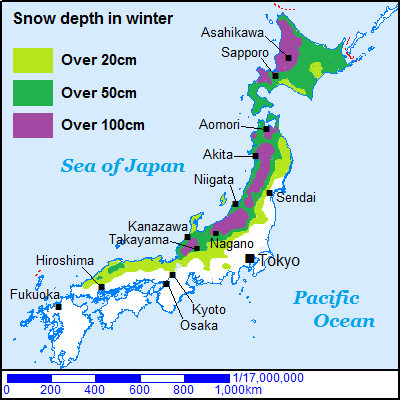
Which area of Japan did my car come from ? - Japanese Car History ...
Japan’s snow season runs from December to April annually. In Japan, snowfall timing varies by region, here’s an overview of the main areas;
- Peak snow quality (stable, fluffy powder) is from late December to February.
- March-April sees lighter snow, but high-altitude resorts (e.g., Shiga Kogen) still offer decent conditions.
- Hokkaido starts snowing earlier (mid-December), while Honshu’s resorts open from late December.
Region | Average timing of the first snowfall | Best time to see snow |
|---|---|---|
Hokkaido · Sapporo | Late November | Mid-December–Mid-February |
Aomori Prefecture・Hirosaki | Early November | Early December–Early February |
Hakuba, Nagano Prefecture | Late November | Mid-December–Early March |
Yamagata Prefecture · Zao | Late November | Mid-December–Mid-February |
Niigata Prefecture · Yuzawa | Mid-November | Early December–mid-March |
Gifu Prefecture, Shirakawa-go | Early December | Mid-December–Mid-February |
Toyama Prefecture · Gokayama | Early December | Mid-December–Mid-February |
Tochigi Prefecture・Nikko | Mid-December | January–mid-February |
- "Average First Snowfall Time" refers to the average month when the first snowfall occurs, based on historical statistics;
- The "best time to enjoy the snow" is largely The time when some regions enjoy their heaviest snowfall and most spectacular scenery.
- Actual snow conditions may vary slightly due to year-to-year climate changes. Before you set off, check the real-time weather forecast and book your transportation and lodging in advance.
Where to See Japan Snow | Best Places to Enjoy Snow in Japan
Heavy snowfall in Japan concentrates in 3 key regions :
- Hokkaido: Niseko (16m annual snowfall), Furano, Rusutsu – famous for "Japow" (dry powder snow).
- Honshu’s Sea of Japan Coast: Niigata, Toyama, and mountainous areas like Nagano (Hakuba, Nozawa Onsen) and the Japanese Alps.
- Tohoku Region: Aomori, Iwate, Yamagata – including Zao Onsen (known for "snow monsters" called juhyo).
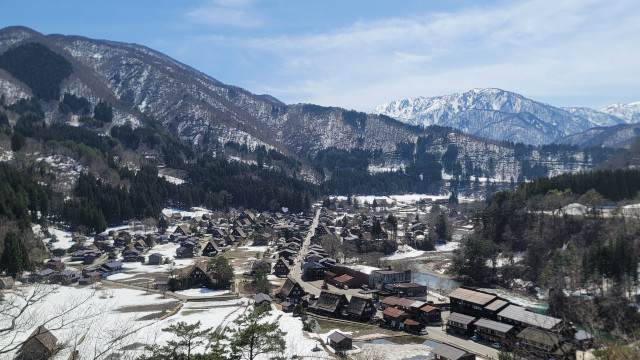
Japan Snow-Viewing Spot #1 Shirakawa-go & Gokayama (UNESCO World Heritage | Gifu Prefecture & Toyama Prefecture)
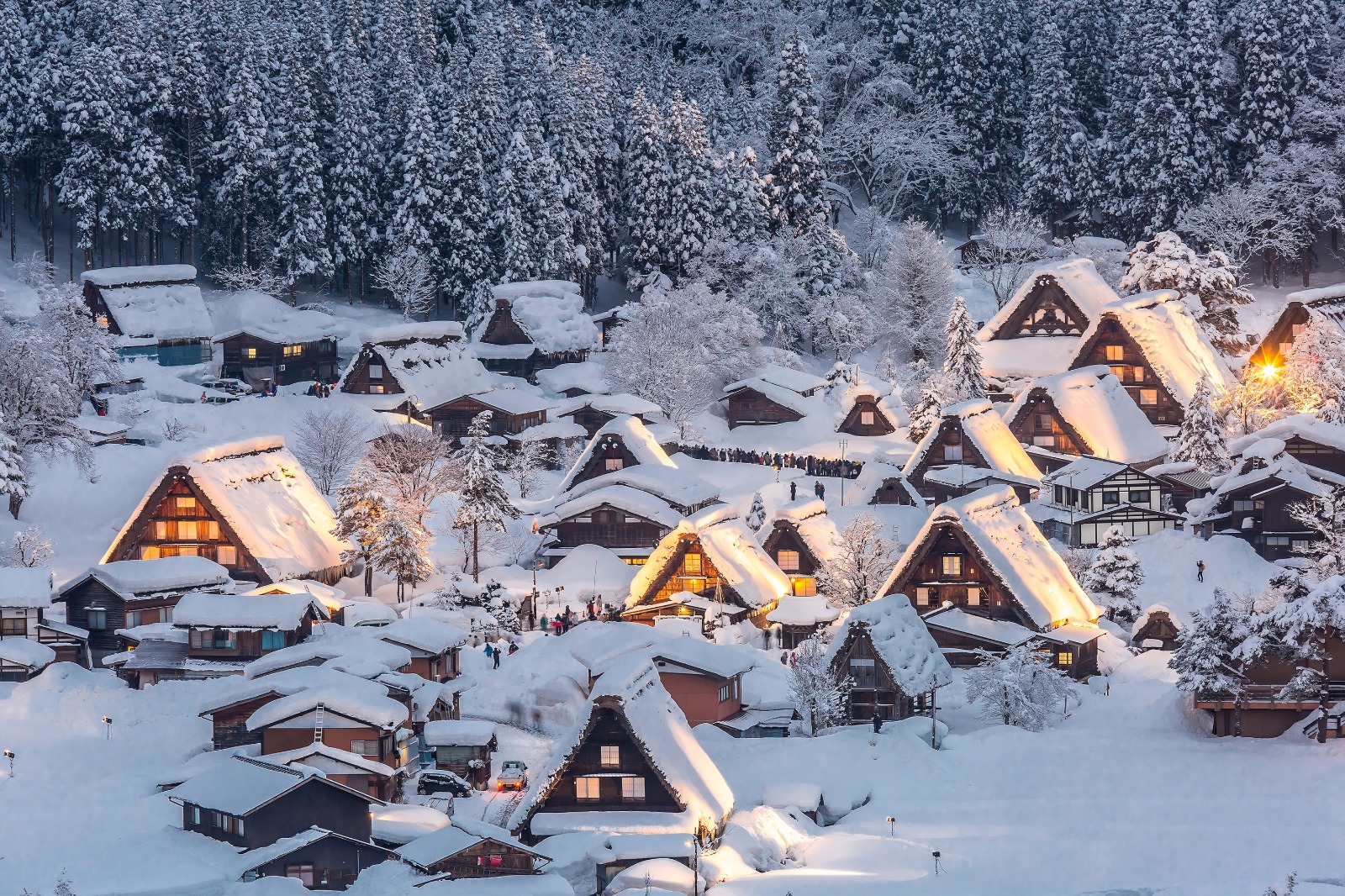
- Highlights: Classic gassho-zukuri thatched houses blanketed in winter snow, with nighttime lighting that creates a fairy-tale scene
- Getting there: From Kanazawa Station or Takayama Station, take a direct bus to Shirakawa-go; from Toyama Station, transfer to a bus to Gokayama Ainokura.
- Experience tip: Stay in a gassho-style guesthouse and, at night, enjoy the snowy views from the outdoor bath.
4.8/5
203 reviews
5/5
I traveled from Toyama Station to Takayama Station, then took the World Heritage Bus. It stopped at various small village bus stops, and it was fascinating to see people with large backpacks getting on and off at bus stops in villages further along the way. I enjoyed the scenery and the comings and goings of people all the way to the final stop, Shirakawa-go. My stay was about two and a half hours, but I was able to see everything I wanted to see without having to wait. On the way back, I took a non-stop express bus to Toyama Station. Since it was the off-season in June, there were few people, and I was able to travel at my own pace, which was very pleasant. During my stay (apparently it was lunchtime), the paid bus to the observation deck was not running, so I walked up the hill to the observation deck and was deeply moved by the magnificent view of Shirakawa-go. I would like to see it again from the same spot in winter when it is covered in snow.
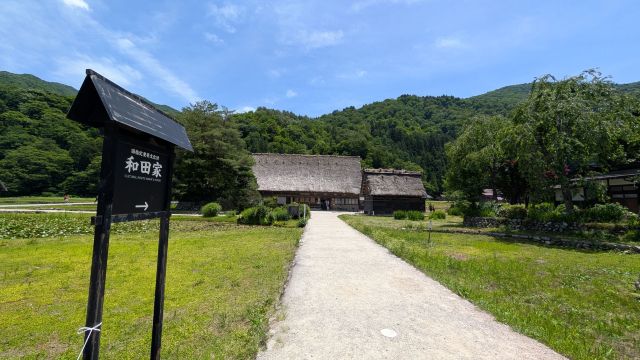

5/5
I went on 16th November from Takayama. Took the earliest bus (didint regret it as I got to explore and take photos before the crowds swarm in). It was rather foggy at first but cleared within a short time. beautiful autumn colours and very calming. Clear, blue skies too. queued for my lunch at Inori and ordered the grilled beef on hoba miso. I’d recommend to spend 2-3 hours there to slowly appreciate its beauty although by around 11 am, the direct sun could be a tad too strong and taking photos with the right lighting could be quite difficult. wear layers. It can get quite warm around 11 am onwards (16/11/2025).
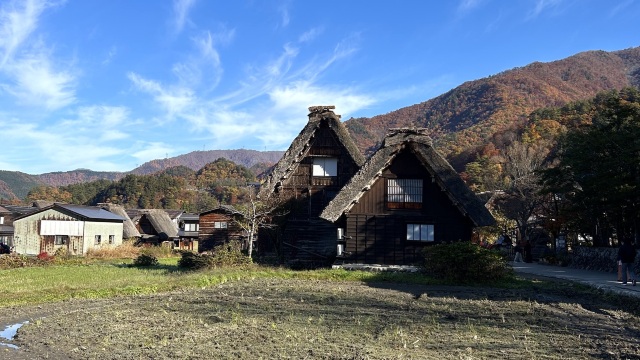

5/5
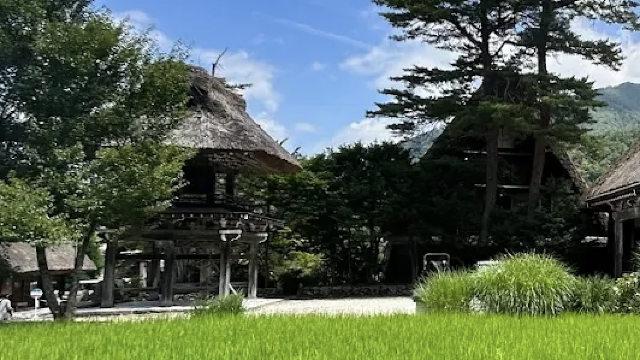
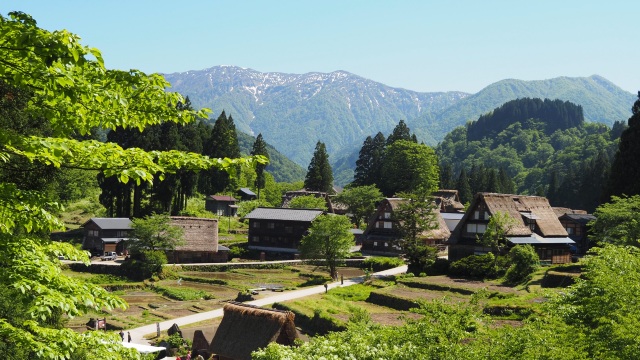
Shirakawa-go is located in Gifu Prefecture, Japan, and is famous for its typical Gassho-style architecture. The roofs of these buildings are shaped like clasped hands, in order to cope with the local snow accumulation. The scenery of Shirakawa-go is different in each season. In winter, the snow-covered village is like a fairy tale world, which is particularly beautiful. The buildings here have a long history, and many houses are hundreds of years old. It is a good place to explore traditional Japanese architecture and culture. Every winter, the beautiful scenery of Shirakawa-go attracts a large number of tourists. It is really a place that makes people feel like they are in a fairyland.

5/5
This is a gassho village in Gifu Prefecture, which is a World Heritage Site. There are many ways to access it, but I was using the Hokuriku Pass, so I used the World Heritage Bus Pass at Shin-Takaoka Station! (It takes about 2 hours.) It takes 2 to 3 hours to tour the entire village.

5/5
I visited in May, so the greenery and flowers were beautiful☺️I personally liked the view of Shirakawa-go from the observation deck after a short walk! I would also like to visit in winter and see Shirakawa-go covered in snow😌
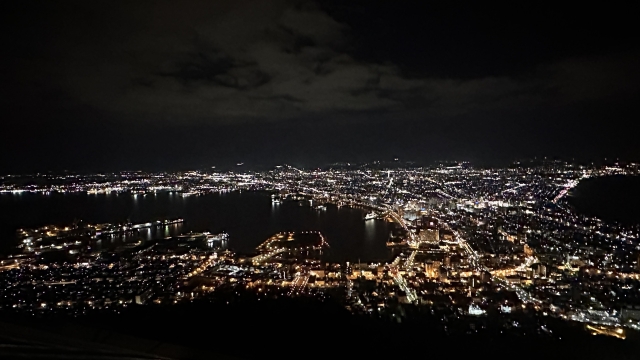
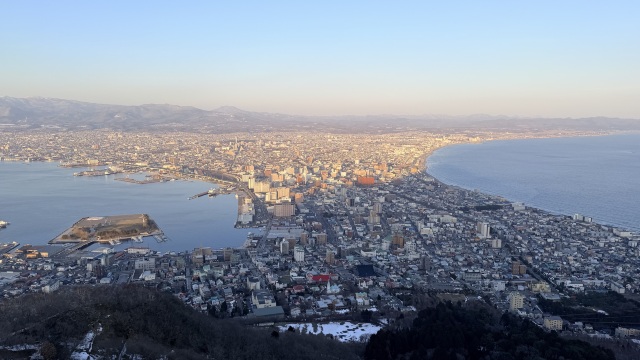
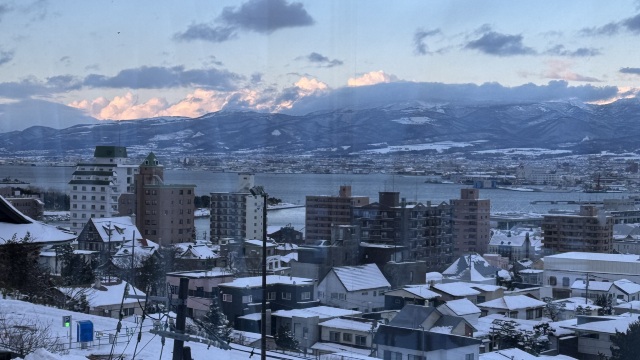
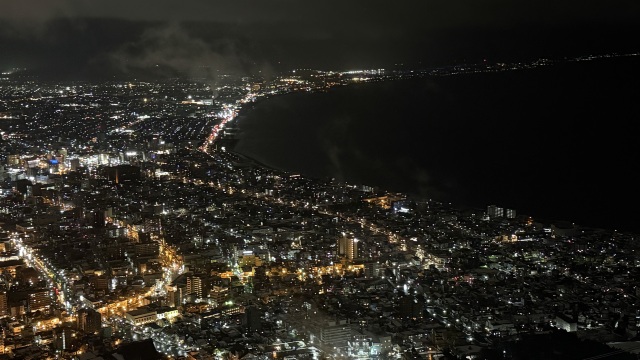
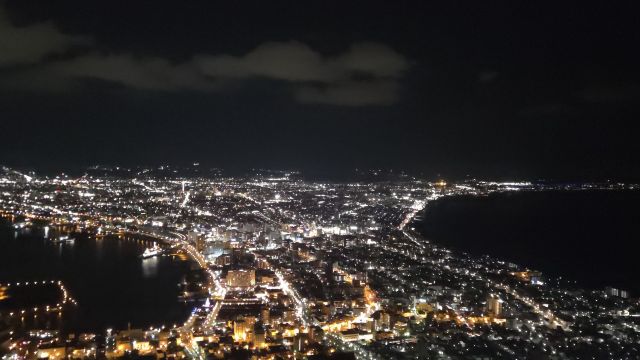
Japan Snow-Viewing Spot #2: Mount Hakodate Night View (Hokkaido)
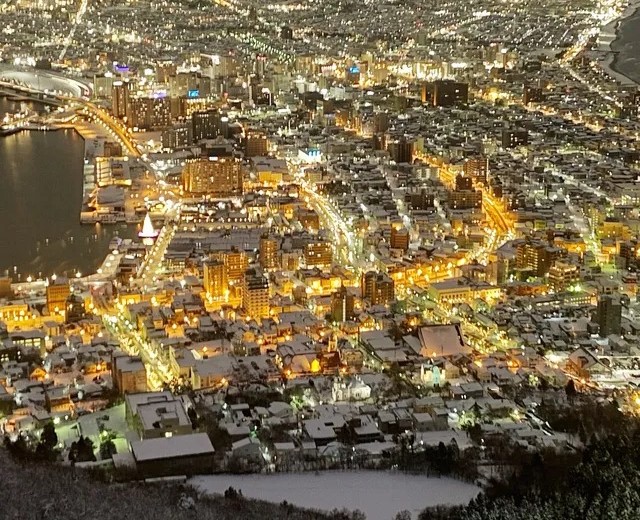
Image source: Fika Fei@Trip Moments
- In winter, Mount Hakodate in Hokkaido offers the most beautiful snowy night views in all of Japan, where white snow and city lights beautifully complement each other.
- Best time: December - February
- How to get there: Take the ropeway from downtown Hakodate straight to the summit.
4.7/5
92 reviews5/5
The night view of Mount Hakodate is especially stunning tonight, perhaps because the air is particularly clear! This is my third time coming up to enjoy the night view, and tonight's is the most beautiful. Buying Trip tickets eliminates the need to go to the physical ticket counter; you can simply go to the cable car queue on the third floor, scan the QR code, and ride directly – super convenient and time-saving! I highly recommend it.

4/5
As sunset approaches, a bunch of people hog the feeding spots; you can just take a quick photo and leave.
5/5
I bought my ropeway tickets on Trip.com and went on the same day! It was so convenient to be able to purchase tickets quickly and easily 🤣 My mom also loved the scenery and said it was amazing ^^

4/5
It’s an amazing experience overall. We arrived the station at around 4:30pm and expecting to see the night view before dinner. Long queue with lots of tours were noted, and it took around 45 min queue for the uphill trip. Given the rain at the hilltop, many people would like leave the observatory at around 5:30, and it took another 30 min queue in outside while raining for the downhill trip.
5/5
The Hakodate scenery was beautiful, and the Trip.com QR tickets were useful.
Best Places to See Snow in Japan #3: Tateyama Kurobe (Toyama Prefecture)
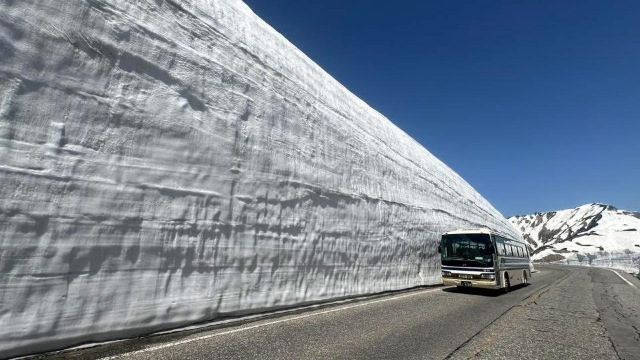
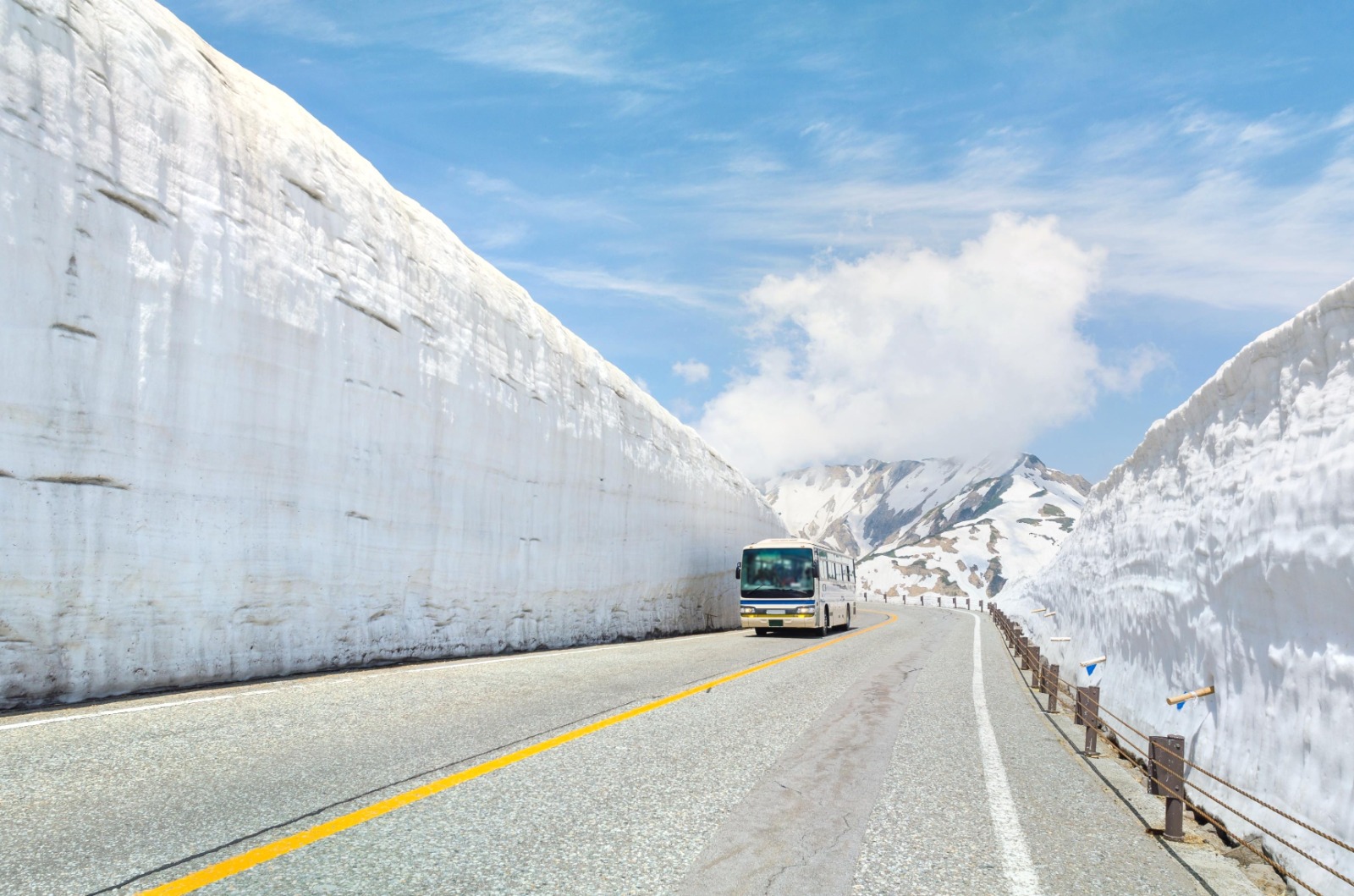
- Tateyama Kurobe, known as the “Japanese Alps,” stands alongside Mount Fuji and Mount Hakusan as one of Japan’s three sacred mountains. It’s home to the famous Snow Corridor, where snow walls soar up to 20 meters—an absolute must-visit for anyone who loves chasing winter wonders.
- Best time: April - June (snow wall scenery unique to spring)
- How to get there: Take JR to Toyama Station, then transfer to the Tateyama Electric Railway.
4.9/5
28 reviews
5/5
You can enjoy the spectacular mountain scenery while taking several different modes of transport. The journey itself, including the cable car and ropeway, feels like an attraction, and the children absolutely loved it. You can enjoy different scenery in each season, but it's so popular that it's always crowded! Especially during summer and the autumn foliage season, be prepared to wait for several hours. I'd love to visit again at a different time of year.

5/5
Upper Yamagata: From Hong Kong, fly to Tokyo Haneda Airport and then transfer to an inland flight to Komatsu to officially start your self-drive tour. On the first night, we stayed in Takaoka City. Hotels in Takaoka City are cheaper than those near Toyama Station. The next morning we booked the 0700 ride up the mountain, to arrive half an hour to 45 minutes early, to be the first batch of tourists to go up the mountain, and certainly have a parking space (unexpectedly).
The scenery along the way is beautiful, but Murodo is the main course, so you can go straight to Murodo without stopping midway. Just went there in mid-May, in fact, half of the snow has melted in the snow-capped mountains, and dark hillsides can be seen everywhere. Fortunately, the ski resort is still 11 meters high (usually 20 meters when it opens in April). But I personally recommend the snow resort to take pictures beautiful, but the top floor of the room walk out to the white snow scenery is the best, if you have wearing snowshoes or have snow claws, you might as well walk farther to the hut, feel beautiful seconds.
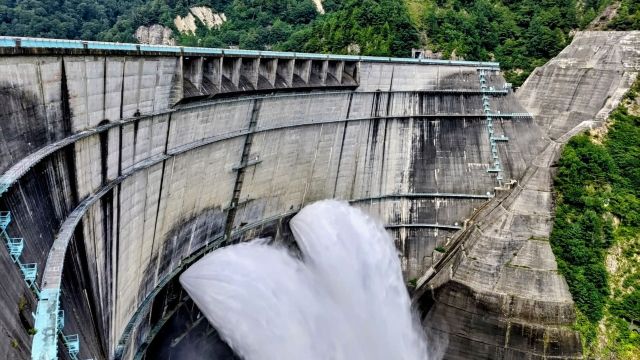
If you go to Kurobe Dam when there is a snow scene, it is not as exciting as summer, but the scenery is still dizzying.
My route was to get on the bus at 0700, get to Murodo at 0900, play in Murodo for 1 hour, then go to Kurobe Dam, then turn back, and finally return to the parking lot at about 1pm. Then go to the adjacent cafe for a cup of matcha Latte before driving back to Toyama Station.
5/5
You can feel close to nature!
You'll take a variety of different modes of transportation.
This is a place you should definitely visit!

5/5
I visited in autumn.
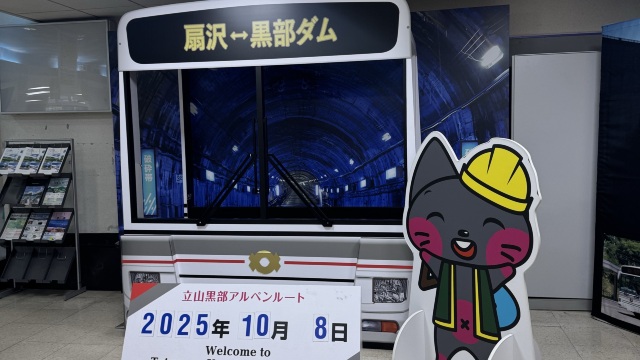
It was my first time there, and the thrill of riding an electric bus through the narrow tunnel and being able to see the fractured zone were great highlights.
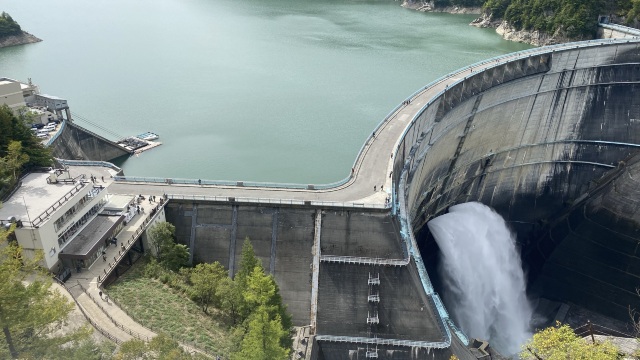
Kurobe Dam is very large, as expected, and the sight of the tourist water releases was breathtaking.

5/5
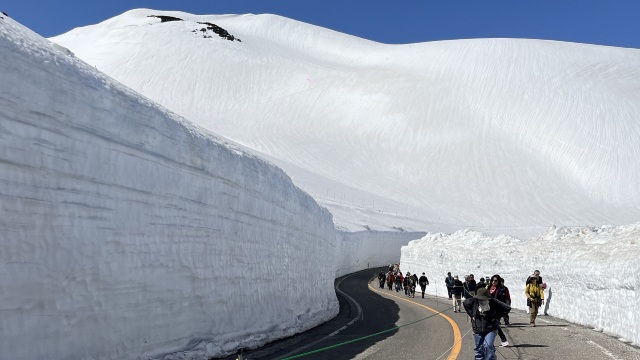
The Tateyama Kurobe Alpine Route in Japan opens every April and attracts many tourists to see the magnificent snow-capped mountains and natural scenery. In the early morning, you have to go to Tateyama Station to take the mountain cable car up the mountain, and then transfer to a sightseeing bus to see the magnificent sight of the snow wall more than ten meters high. You can then take the cable car and gondola down the mountain to reach Tateyama Dam. The whole journey takes several hours.
See all attractions
 9413 booked
![Tokyo Metro 24/48/72-hour travel pass [Physical ticket/e-ticket/Skyliner Tokyo Airport Express/Tokyo Limousine Bus discount package available]](https://ak-d.tripcdn.com/images/0354t12000pj5wys8B52D_C_568_320.png)
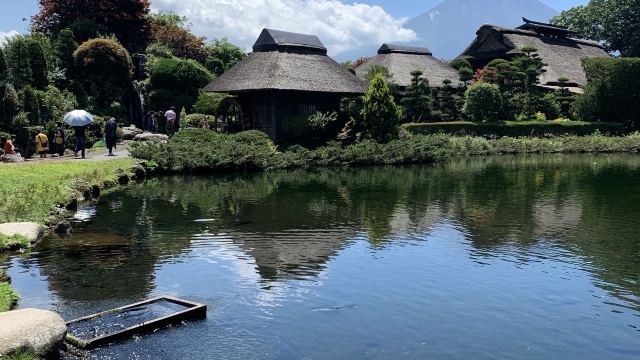
Japan Snow-Viewing Spot #4: Oshino Hakkai & Mt. Fuji’s Snowy Views (Yamanashi Prefecture)
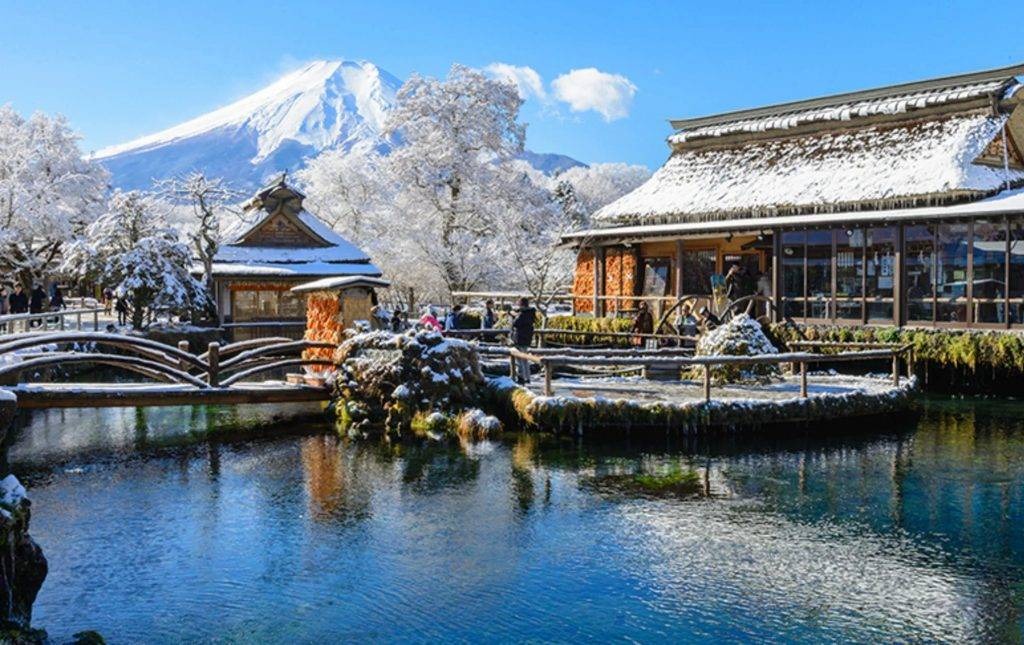
Image source: Japan National Tourism Organization
- Highlights: The crystal-clear spring freezes into a mirror-like surface, with snow-capped Mount Fuji as a breathtaking backdrop.
- Getting there: Take a bus from Kawaguchiko Station or Otsuki Station to Oshino Village.
- Photo tip: Backlighting at dusk showcases the mirror effect best.
4.5/5
173 reviews
5/5
• Visually Stunning: The pool's water is incredibly clear, allowing you to see schools of fish swimming in its mirror-like surface. Combined with the majestic Mount Fuji in the distance, every snapshot is postcard-worthy.
• Local Experience: Besides enjoying the scenery, you can savor the sweet spring water, as well as local specialties like grass cakes and grilled rockfish, experiencing the rich rural charm.
• Helpful Tip: As this is a popular spot, it's recommended to arrive early in the morning to avoid the crowds and better appreciate the spiritual energy and tranquility of this "divine spring."
5/5
Last time I took the JR from Shinjuku to Kawaguchiko, I didn't go to Oshino Hakkai because of the different location. This time I chose to join a one-day tour to visit Oshino Hakkai, a scenic spot on the other side of Mount Fuji. The water is very clear, and the background is very beautiful with Mount Fuji. There are restaurants, gift shops and snack shops here. There are also many tourists on weekdays. If you want to take pictures, you need to spend more time to get a good position.
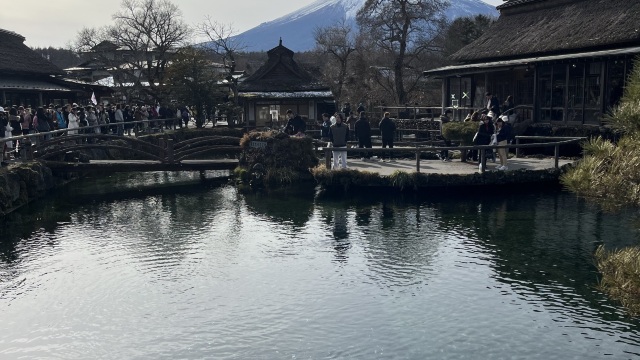
5/5
Oshino Hakkai is so beautiful! ! ! The weather was super nice when I went! The blue sky and the blue sea are correspondingly interesting
There are many fish ponds inside. The sun is shining and the water is as beautiful as the starry sky
It is a must-visit attraction after visiting Mount Fuji, of course, also see Mount Fuji, friends to Tokyo highly recommend you to arrange a visit here
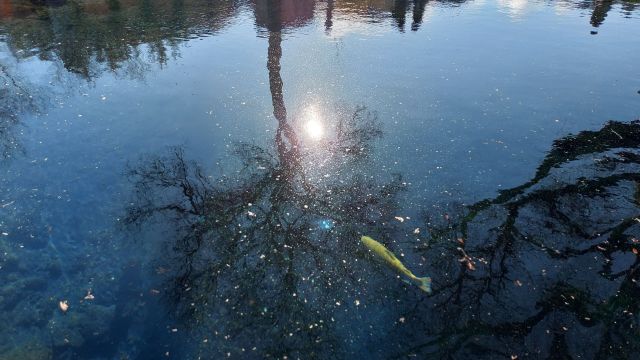

5/5
The Oshino Hakkai clear water house is beautiful. I like this place. I enjoy walking and taking pictures. I can see Mt. Fuji. There are many shops selling souvenirs and snacks.
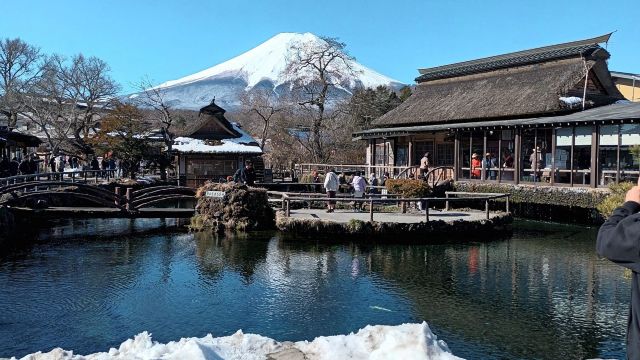
5/5
I went to Oshino Hakkai.
The water is incredibly clear, so I definitely recommend seeing it.
You can also see Mt. Fuji from there, so it's a wonderful place.
I'd like to go again in a different season.
You can eat your way around and spend your time leisurely strolling around.
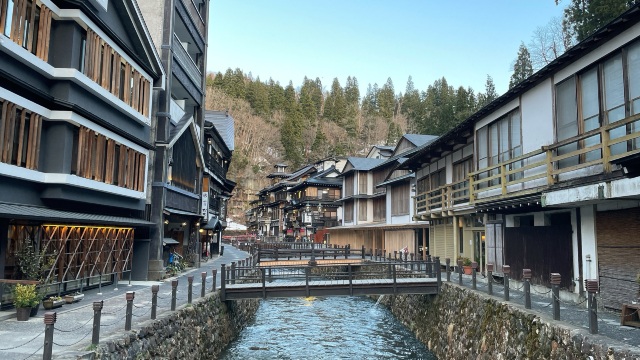
Japan’s Snow-Viewing Spot #5: Ginzan Onsen (Yamagata Prefecture)
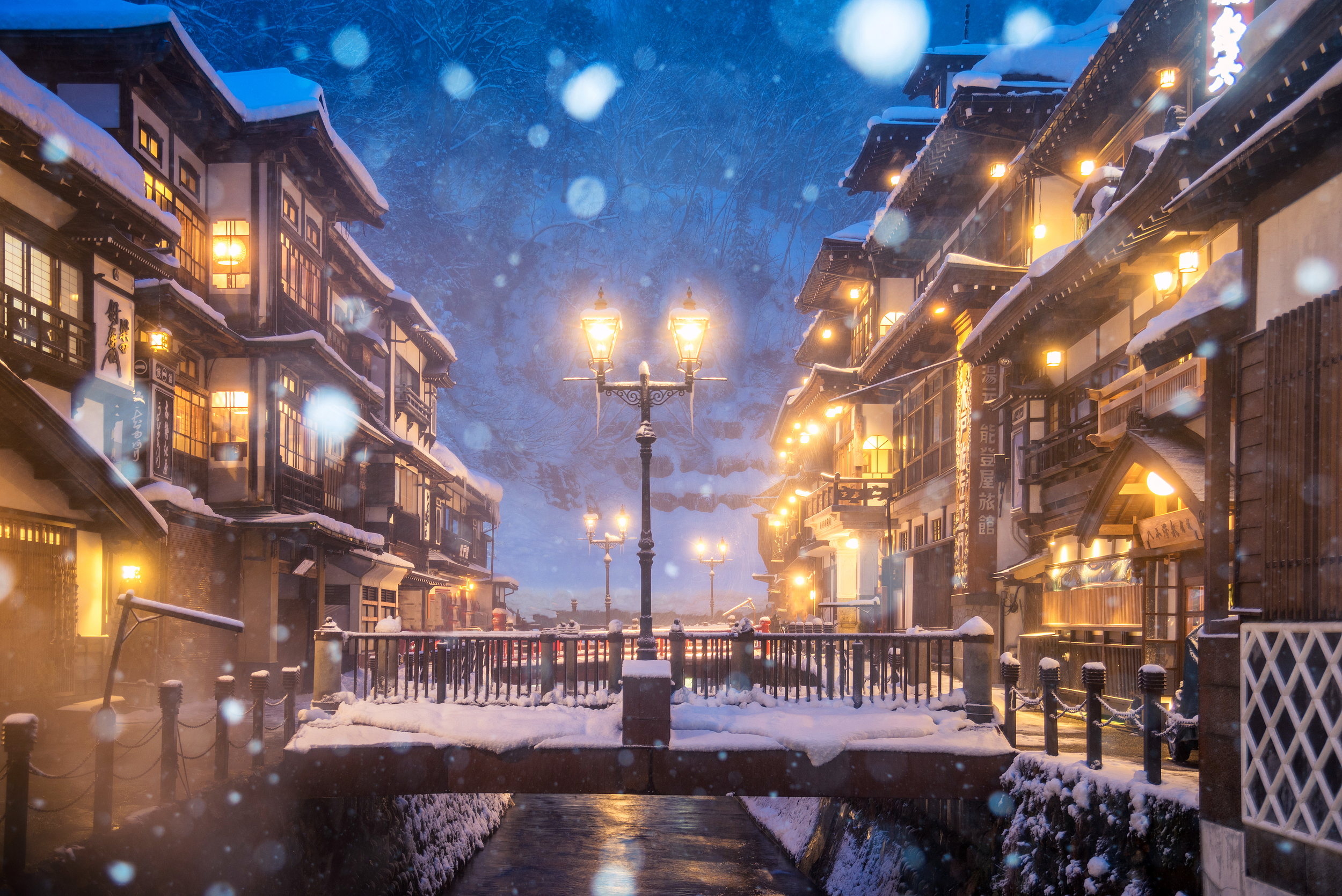
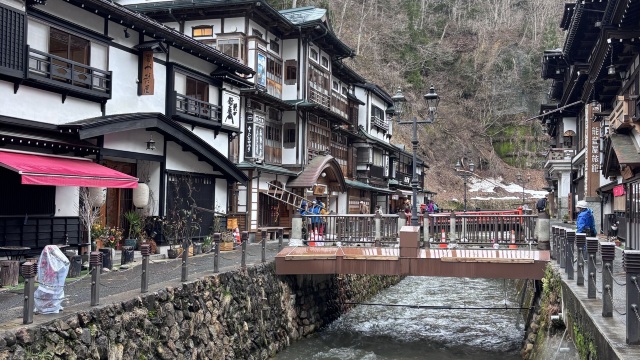
- Highlights: Wooden inns built along the river, a snow-dusted hot spring street, rustic and romantic
- Getting there: Take the Yamagata Shinkansen to Oishida Station, then transfer to a bus for about 40 minutes.
- Where to Stay: A historic riverside inn where you can soak in a hot spring and watch the snowfall from the comfort of your room
4.8/5
52 reviews5/5
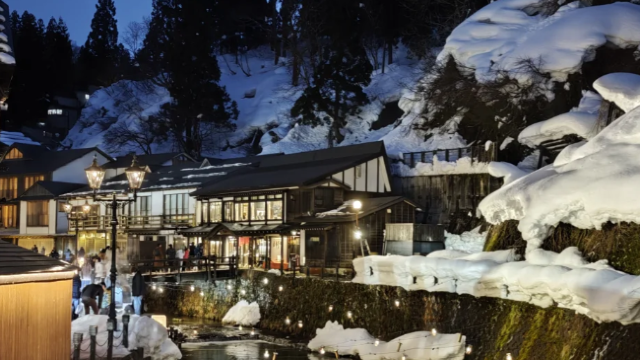
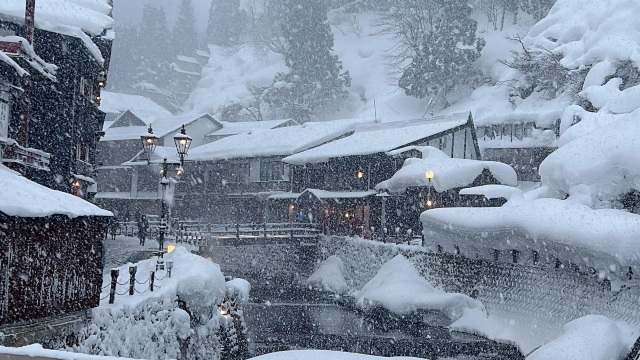
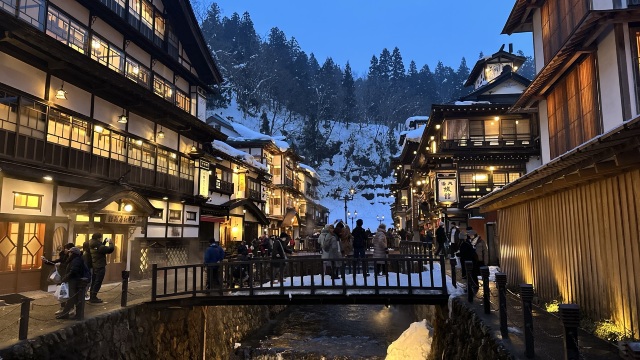
Ginzan Onsen is located in Obanazawa City, Yamagata Prefecture, Japan. It is a hot spring village with a history of over 500 years. It is famous for being the filming location for the Japanese drama "Oshin" and is considered to be the inspiration for the hot spring house in "Spirited Away". Along the banks of the Ginzan River, wooden inns that retain the style of the Taisho era create a strong nostalgic atmosphere. In winter, the snow scene and gas lamps are intertwined, just like walking into an animation scene. In addition to soaking in the hot springs, visitors can also stroll through the hot spring street, taste local food, or visit attractions such as Baiyin Park. Ginzan Hot Spring is a healing place that combines history, nature and culture.

5/5
The scenery during the day and at night is different. It is recommended to stay a little later to see the night view.

5/5
It's really worth putting on your travel list.
5/5
The snow was piled up much higher than my height, and it was so cold I felt like I was freezing.
The snow and the lights created a great atmosphere, so no matter where you took a photo it looked great!!
If you go during the snowy season, make sure to dress warmly!
5/5
I went there on a drive during the snow melting season. I didn't book a hotel, but there was a foot bath along the river, so I enjoyed going to the hot spring town just for that. I think it's the perfect place if you want to escape the hustle and bustle of the city in a tranquil place deep in the mountains.
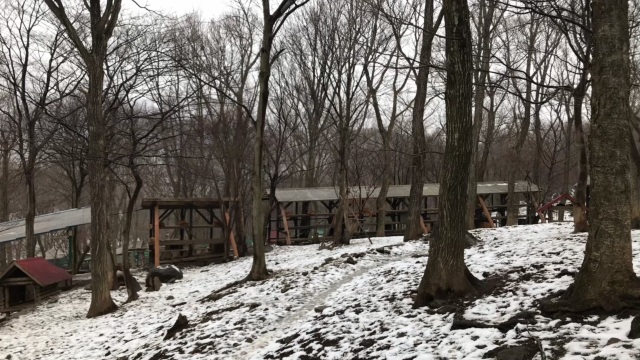
Japan Snow Scenery Spot #6 Miyagi Zao Fox Village (Yamagata Prefecture)

- Highlights: Get up close to snow foxes; amid the falling winter snow, it’s like a fairy-tale world.
- Getting there: Take a bus directly to Fox Village from Yamagata City or Zao Onsen.
- Experience tips: Wear waterproof boots to prepare for melting snow on the ground, and respect animals’ living space.
3.8/5
2 reviews
5/5
There are not many opportunities to see foxes in Taiwan, so we specially arranged to drive to Gongcheng to see the fox village. The road conditions were very good along the way. Although the staff said before entering that the more aggressive ones were locked up or chained, I was still a little scared before entering. The foxes walked freely inside, and I was really afraid that they would get close to us. It was scary to walk around. The environment was a little dirty, but fortunately there was just a little smell. It is highly recommended to visit when it snows, as the foxes will be less active and it is also good for taking pictures.

5/5
This is a fox zoo. There are a lot of foxes. There is a notice that says to give priority to foxes and to be careful not to get bitten.

Enjoy Japan’s Snow | Where to Ski in Japan
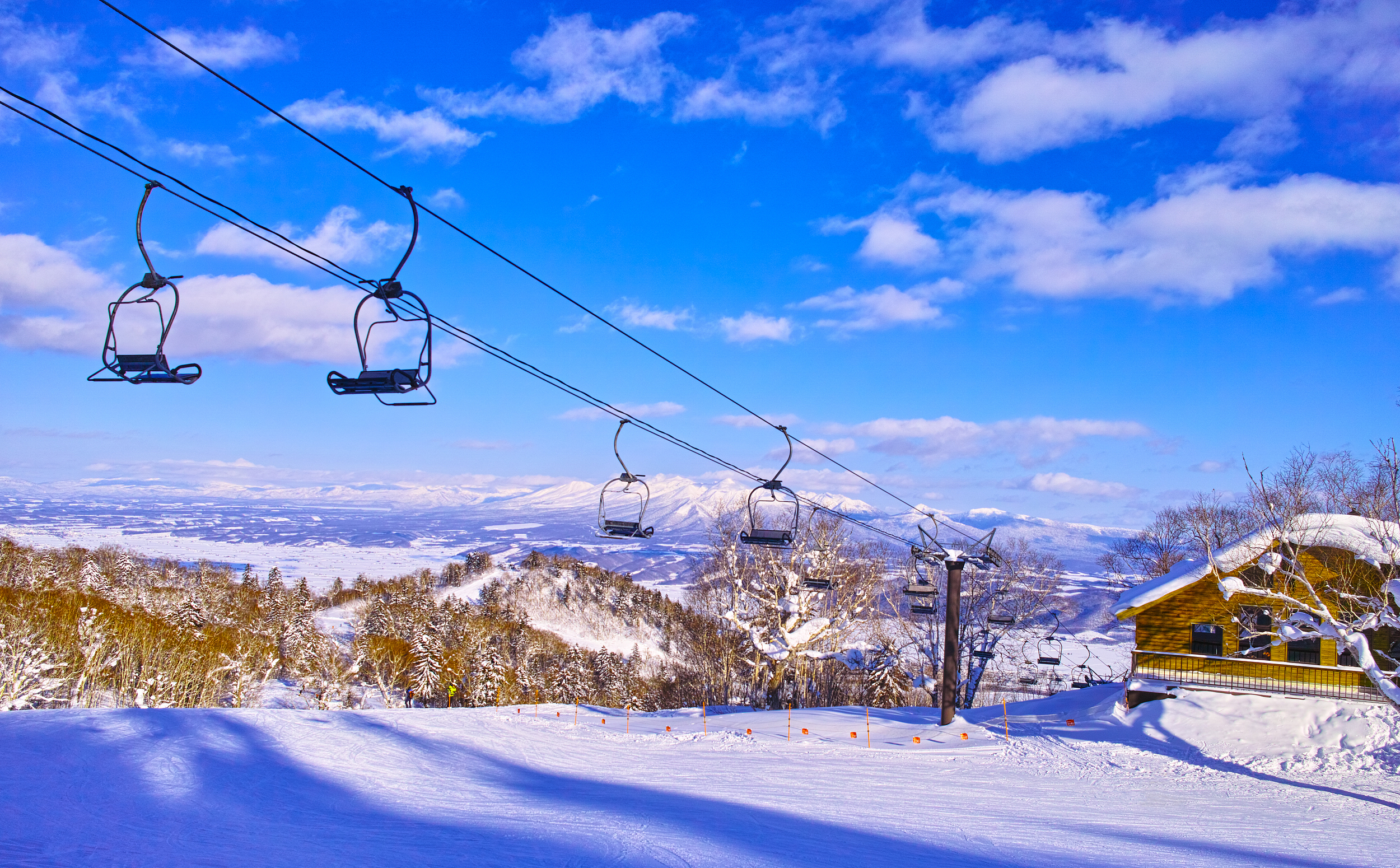
Japan Snow & Ski Recommendation #1: Furano Ski Resort
Located in Furano City, Hokkaido, Furano Ski Resort offers a wide variety of slopes and excellent snow quality, and is also a venue for many international ski competitions. With more than 20 runs, it’s suitable for both beginners and expert skiers.
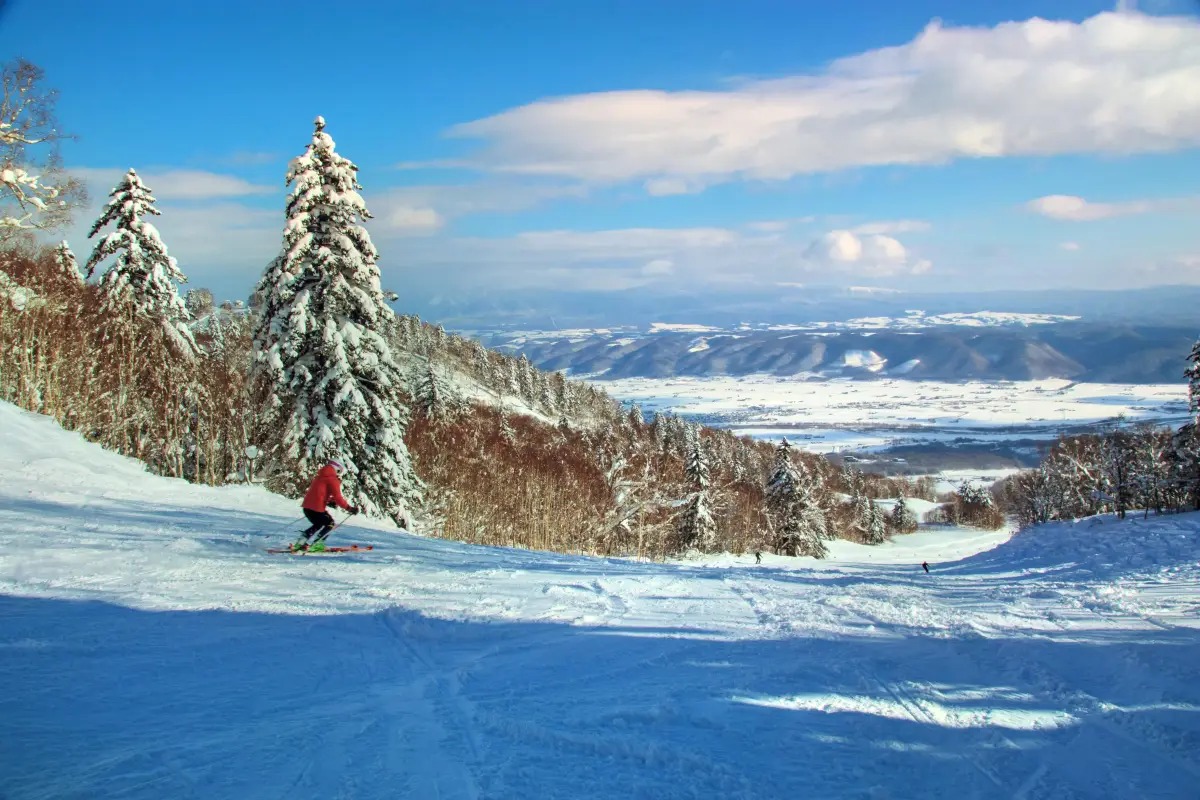
Furano ski resort
4.9/5
4 Reviews
At the beginner level, the coach skillfully explains the movements and techniques, so even those with poor athletic talent can gradually master them. Coach James explained enthusiastically and helped my girlfriend overcome her fear of climbing uphill. After completing the one-day course, she was able to climb uphill on her own and even slide down.Japan Snow & Ski Recommendation #2: Hakodateyama Ski Resort
Hakodateyama Ski Resort in Shiga Prefecture offers sweeping views of Lake Biwa. With safe skiing facilities, kids and adults alike can enjoy the fun of snow—there are ski runs, lifts, and a family playground—making it a perfect spot for a family ski getaway.
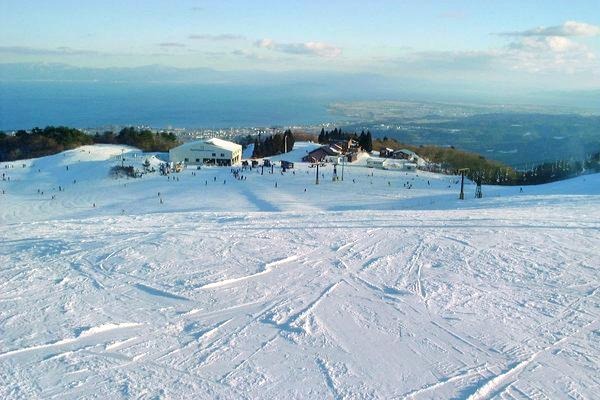
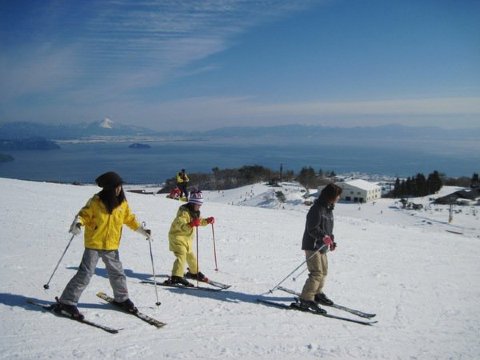
Biwako Hakodateyama Ski Resort
5/5
1 Reviews
導游RURU捧捧达! will recommend to my friendJapan Snow & Ski Recommendation #3 Appi Kogen Ski Resort
Appi Kogen Ski Resort in Iwate Prefecture is renowned for its long runs. At the 1,304-meter summit, you can hop on the gondola and take in spectacular snowy vistas and sweeping mountain ranges above the clouds.
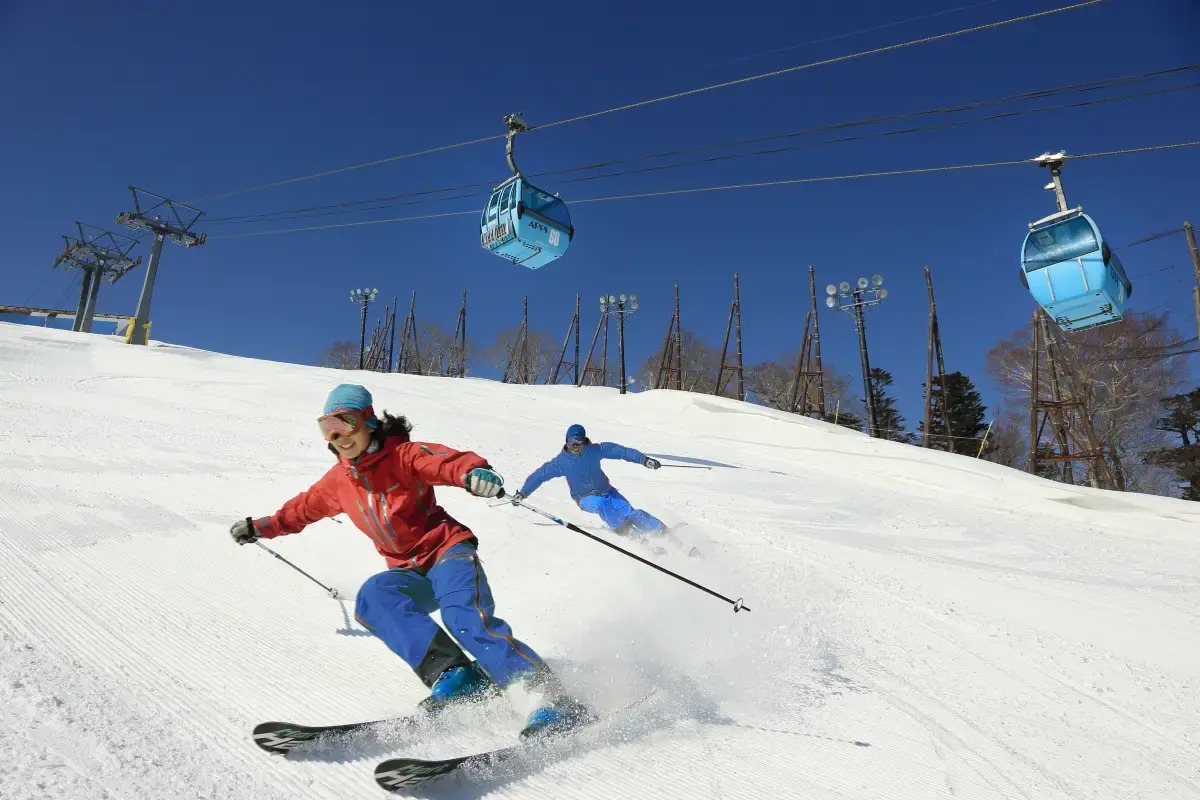
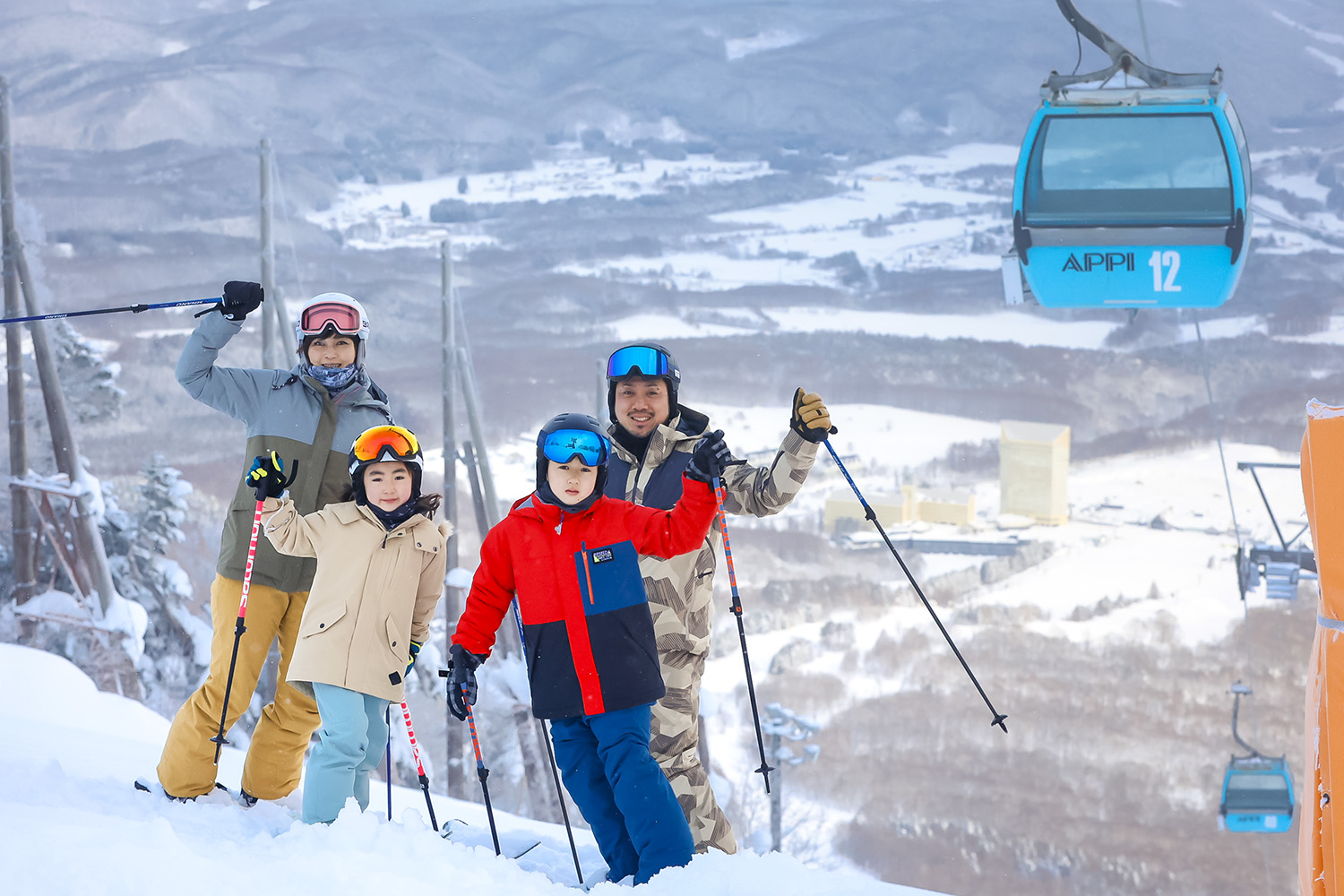
Appi Kogen Ski Resort
4.9/5
3 Reviews
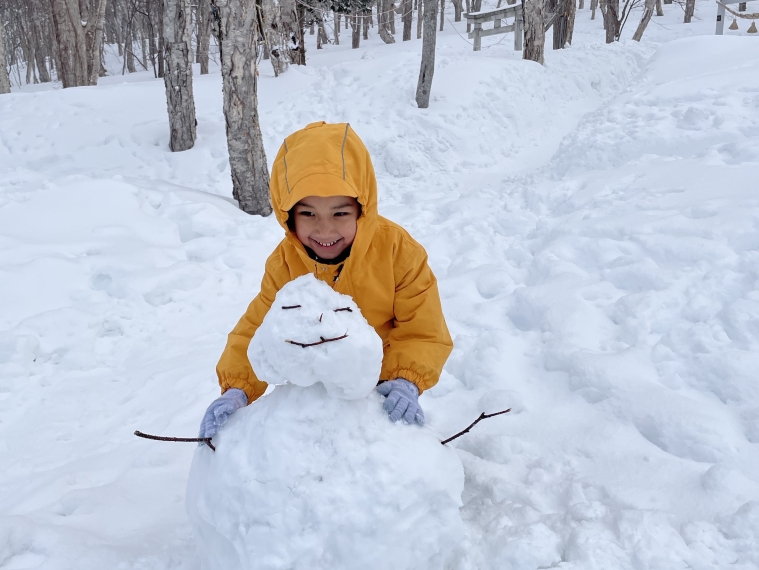 The 5km beginner slope is super fun! You can ski for a long time just by taking a chairlift!
Enjoying the Snow in Japan | Snow-Viewing Tips
- Best time: mid-December through mid-February of the following year
- Cold-weather essentials: layered clothing + waterproof, slip-resistant snow boots + gloves, beanie, scarf
- Transportation tips: Buy a JR Pass or a regional pass; in some remote areas, arranging a rental car gives you more flexibility.
- Accommodation recommendation: Choose lodging inside the snow village or in nearby hot spring villages, so you can admire the snow at dusk and soak in the springs at night without missing a thing.
- Trip planning: Book popular event time slots and guesthouses early—accommodations are in short supply during peak holiday seasons.
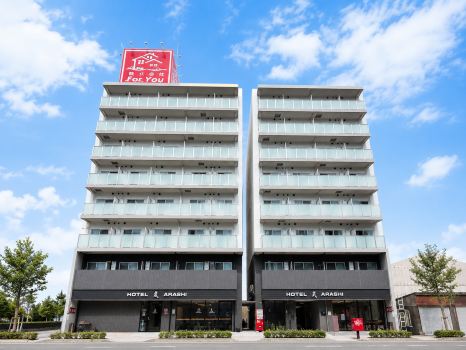
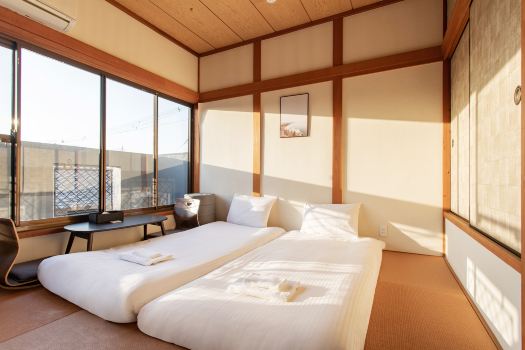
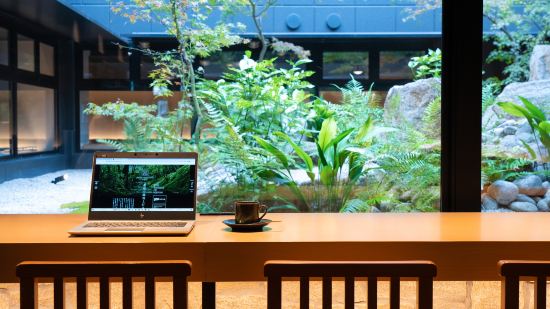
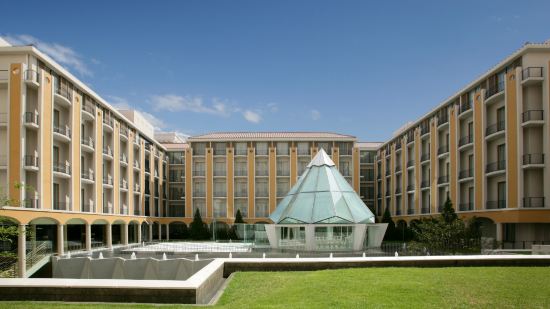
[8% Off] Japan Hotel Recommendations
Tokyo Hotels
Osaka Hotels
Kyoto Hotels
See All Hotels

FAQs about Japan Snow
-
Which month will Japan snow?
-
Which part of Japan has snow?
-
Does it snow in Osaka?
-
Is Japan the snowiest country in the world?
-
What is the best time for snow activities in Japan?
Disclaimer: This article has been provided by an individual contributor or third party platform. If there is any discrepancy regarding the copyright, please contact us directly and we will delete the content immediately.
Popular Searches
-
Popular Flight & Hotel Packages
-
Getting Around
-
Popular Attractions
-
eSIM/SIM card
- Medellin Vacation Packages
- Hong Kong Vacation Packages
- Tokyo Flight and Hotel
- Koh Samui Flight and Hotel
- Hong Kong Flight and Hotel
- Ottawa Vacation Packages
- Gorontalo Vacation Packages
- Niagara Falls Vacation Packages
- Hat Yai Vacation Packages
- Oaxaca Vacation Packages
- Havana Vacation Packages
- Ulaanbaatar Vacation Packages
- Daet Vacation Packages
- Siem Reap Vacation Packages
- Cape Town Vacation Packages
- Hong Kong Airport
- Hong Kong Airport Express
- Shanghai Pudong Airport
- Chengdu Metro
- Cruises from Shanghai to Japan vs Korea
- How to Get from Osaka to Kansai Airport
- Harbin Metro Map
- Japan Transport App
- Eurail Pass Discount
- Keisei Skyliner
- Shanghai Airport Transfers
- Wenzhou Airport
- Shanghai Pudong Airport Transit
- Wuxi Airport
- Narita Airport to Shinjuku
- Macau to Hong Kong
- Ho Chi Minh Airport
- Forbidden City Tickets
- Zhangjiajie National Forest Park
- Shanghai Tower Tickets
- Shanghai Disneyland Tickets
- Shanghai Wild Animal Park
- Canton Tower Tickets
- shanghai to wangxian valley
- Shanghai Disneyland Fast Pass
- Huangshan
- Book China Attraction Tickets with Passport
- Universal Studios Beijing Tickets
- Great Wall of China Tickets
- Yu Garden Tickets
- Summer Palace Tickets
- Shanghai Disneyland Crowd Forecast