Beijing vs Shanghai: Which Is Better for Foreigners 2026?

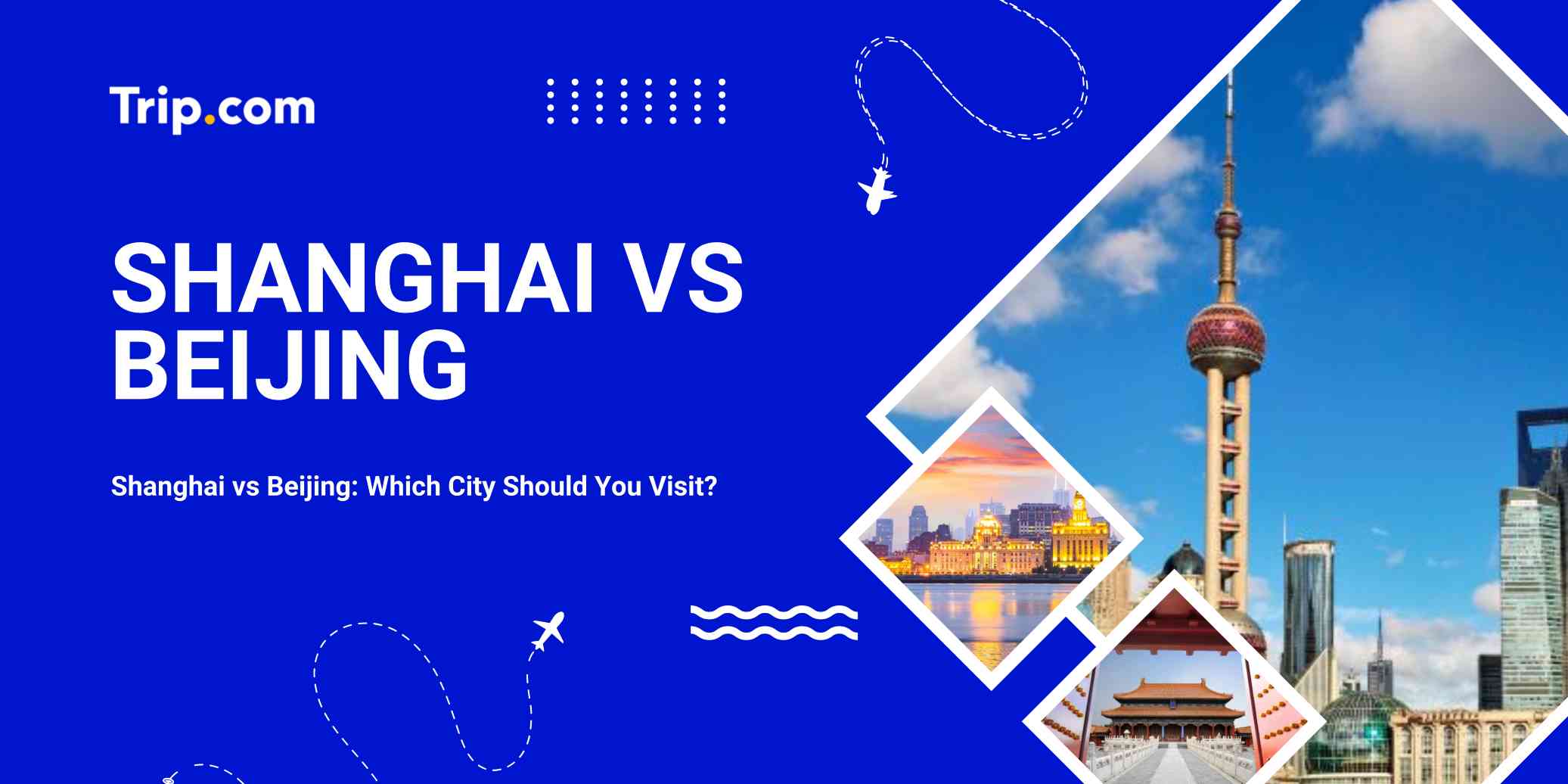
Beijing is better for tourism; Shanghai is better for living. Compare Beijing and Shanghai for travelers and expats, covering costs, food, climate, landmarks, nightlife and more.
to Shanghai
to Beijing
to Guangzhou
See all flights


Beijing vs Shanghai At a Glance
For short-term or first-time tourism: Beijing is unparalleled for authentic Chinese cultural heritage.
For long-term living, work, or a comfortable international lifestyle: Shanghai is the better choice, with stronger career prospects, a more foreigner-friendly environment, and a higher quality of daily life.
If time allows, take the 4.5-hour high-speed train and experience both—they complement each other perfectly.
Category | Beijing | Shanghai |
|---|---|---|
Core Identity | Political & cultural capital, imperial history | Global financial hub, modern cosmopolitan |
Main Vibe | Traditional, solemn, history-focused | Trendy, international, fast-paced, futuristic |
Top Attractions | Forbidden City, Great Wall, Temple of Heaven, Summer Palace | The Bund, Pudong Skyline, French Concession, Yuyuan Garden |
Day Trips | Mutianyu/Juyongguan Great Wall, Chengde | Suzhou, Hangzhou, Zhouzhuang/Wuzhen water towns |
Climate | Dry, cold winters (-10°C to -15°C), hot humid summers | Mild, damp winters (0–8°C), sweltering humid summers |
English Usage | Basic English at major tourist sites; limited locally | Widespread English in expat areas, hotels, malls |
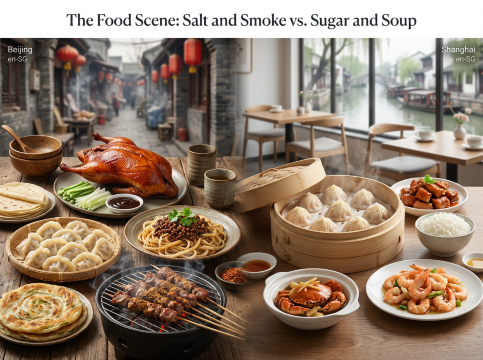
Local Cuisine | Savory, garlic/scallion-heavy, wheat-based (Peking duck, jiaozi) | Sweet, soy-vinegar based, seafood-focused (xiaolongbao, shengjian) |
Travel Cost (ex-flights) | Slightly lower daily expenses | Marginally higher for accommodation & dining |
Best Time to Visit | April–May, September–October | March–May, October–November |
Nightlife & Lifestyle | Traditional bars, cultural performances, hutong pubs | Rooftop bars, clubs, international nightlife, luxury spas |
Beijing vs. Shanghai - Landmarks & Attractions
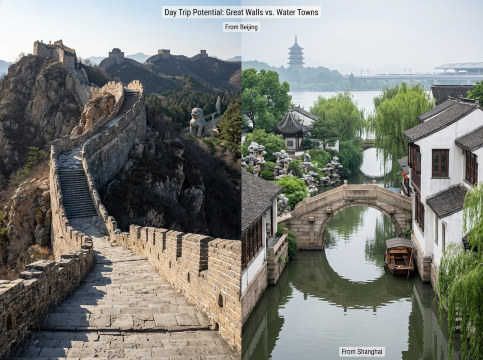
Beijing is the undisputed heavyweight for landmarks. You’ve got the Forbidden City, Temple of Heaven, and the Summer Palace. And of course, the Great Wall is a must-do day trip (pro tip: go to Mutianyu or Jinshanling to avoid the heaviest crowds).
Shanghai is less about "ancient" monuments and more about the "vibe." The Bund gives you that iconic 1920s colonial architecture facing the futuristic Lujiazui skyline. However, Shanghai’s secret weapon is its High-Speed Rail (HSR) access.
- Suzhou: Just 30 minutes away. Think classical Chinese gardens and "Venice of the East" canals.
- Hangzhou: About 45–60 minutes away. Famous for the West Lake, tea plantations, and a booming AI/Tech scene.
Beijing vs. Shanghai - Local & International Food
Beijing Food
- Local flavor: Savory, aromatic, heavy on garlic, scallions, and wheat. Signature dishes: Peking duck, pork jiaozi (dumplings), zhajiangmian (soybean paste noodles), lamb dishes.
- Other Dining Options: Abundant regional Chinese cuisines (Sichuan, Cantonese) and international options, but more focused on traditional Chinese fare.
Shanghai Food
- Local flavor: Sweet, delicate, soy and rice-vinegar based, with plenty of seafood. Must-tries: xiaolongbao (soup dumplings), shengjian (pan-fried buns), Shanghai hairy crab, sweet-and-sour ribs.
- Other Dining Options: Extremely international—Western, Japanese, Korean, and fine-dining options are plentiful, matching global metropolis standards.
Beijing vs. Shanghai - Travel Cost Comparison
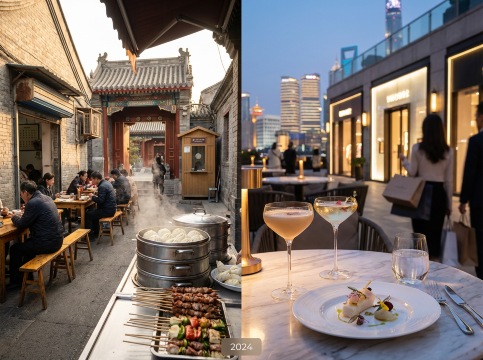
Excluding flights, life in Shanghai is slightly more expensive, particularly for rent and "lifestyle" spending (bars, western gyms, cafes). However, for a tourist, the costs are surprisingly similar. Here is the general daily costs for mid-range travelers:
- Accommodation: Beijing: ¥400–800/night (USD 55–110); Shanghai: ¥450–900/night (USD 60–125)
- Meals: Beijing: ¥80–150/day (USD 11–21); Shanghai: ¥100–180/day (USD 14–25)
- Transportation: Subway/taxis nearly identical at ¥15–30/day (USD 2–4)
- Attractions: Beijing’s entry fees (Forbidden City, Great Wall) are higher; Shanghai has more free or low-cost sightseeing (The Bund, skyline views)
Total daily mid-range budget: Beijing ~¥600–1000 (USD 82–138) | Shanghai ~¥650–1100 (USD 90–152)
See all attractions
 933752 booked



Beijing vs. Shanghai - English & Foreigner Friendliness

- Beijing: English is fine at major tourist sites, but once you step into a local hutong or a taxi, you’ll need a translation app (like Baidu Translate or Apple Translate).
- Shanghai: Because of the massive expat community and its status as a financial hub, most staff in cafes, malls, and hotels in Jing’an or the French Concession speak decent English.
Traveler Tip: Download Alipay or WeChat Pay before you arrive. China is virtually cashless, and both apps now support international credit cards.
Beijing vs. Shanghai - Climate & Best Time to Visit
Beijing Climate
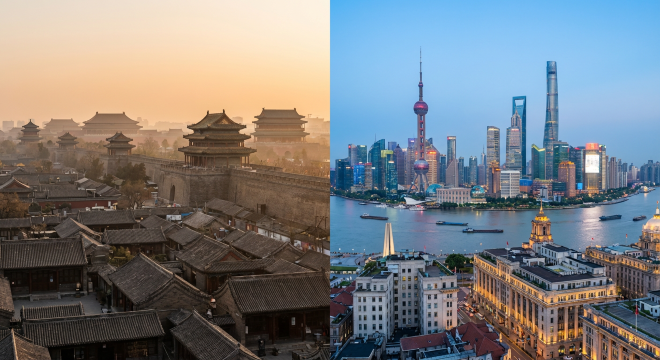
- Climate: Temperate monsoon; dry, bitterly cold winters (-10°C to -15°C) with strong winds, hot humid summers, and occasional spring dust storms. Indoor heating is excellent.
- Best time: April–May (warm spring) & September–October (cool autumn)
Shanghai Climate
- Climate: Subtropical monsoon; cool, damp, bone-chilling winters (0–8°C) with poor indoor heating, extremely hot humid summers. Mild, comfortable spring and autumn.
- Best time: March–May & October–November
Car Rentals
Car Rental Promo Code - 8% Off
New User Enjoy up to 8% Off
TRIPCAR8
Beijing vs. Shanghai - Nightlife & Youth Culture
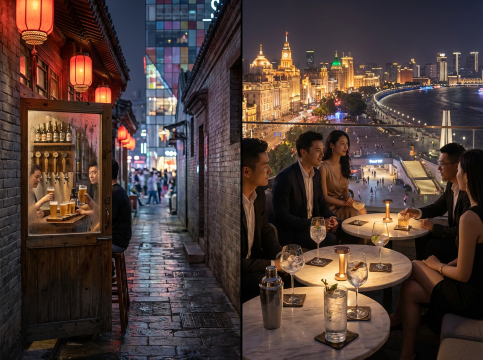
If you want to party, Shanghai is the capital of nightlife.
- Shanghai: Known for its "speakeasy" bar culture, massive rooftop clubs overlooking the river, and endless pop-up events/concerts. It feels very "international student" and "young professional."
- Beijing: The nightlife is more concentrated in areas like Sanlitun or Houhai. It feels a bit more "artsy" and "rock 'n' roll" compared to Shanghai’s "glamour."
So, Which to Choose? Beijing or Shanghai based on Reddit
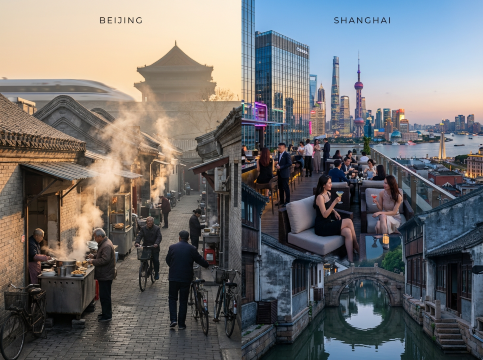
Based on recent traveler consensus:
- Choose Beijing if: You only have 5 days, you want to see the Great Wall, and you care about the "political heart" and history of China.
- Choose Shanghai if: You want a "softer" introduction to China, you love modern architecture, you enjoy day-tripping to water towns, or you are looking for long-term career opportunities in Finance or Tech.
My Personal Take: For a first-timer, do both. The high-speed train takes only 4.5 hours between them. Start in Beijing for the culture shock and history, then end in Shanghai to relax, shop, and enjoy the futuristic skyline.
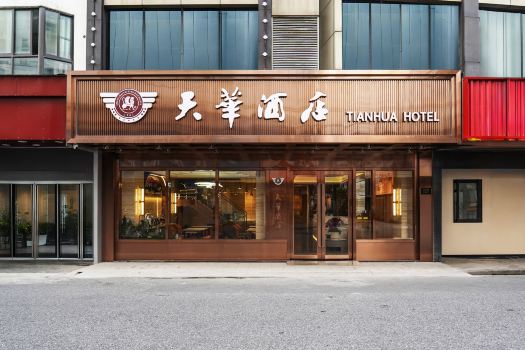
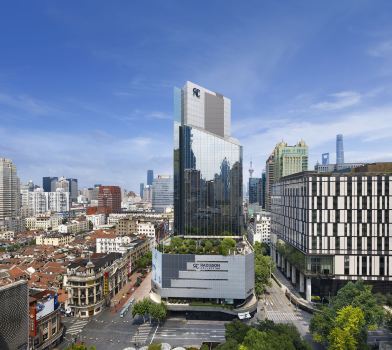
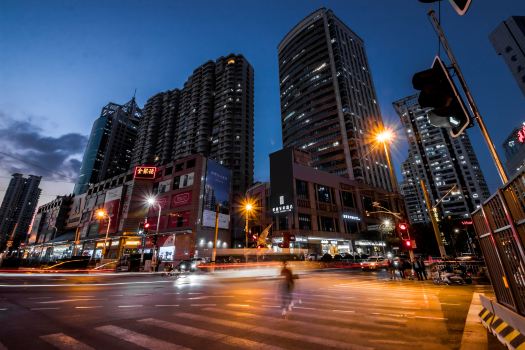
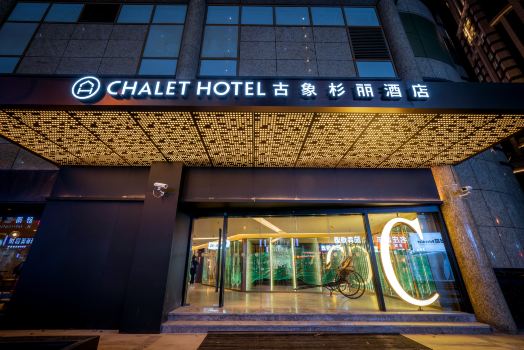
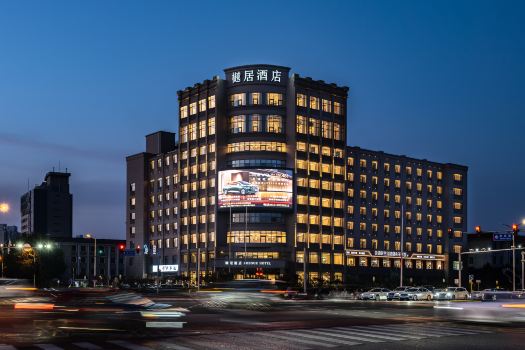
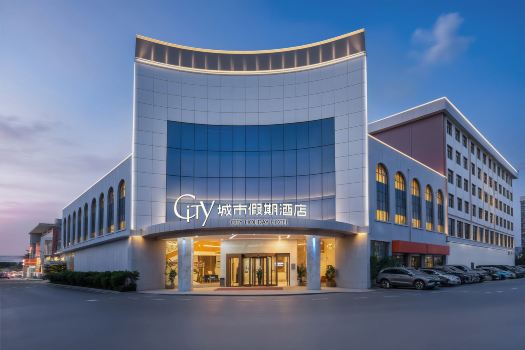
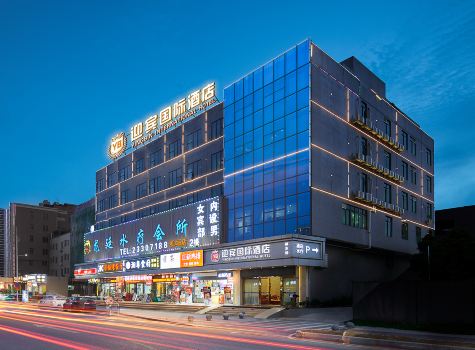
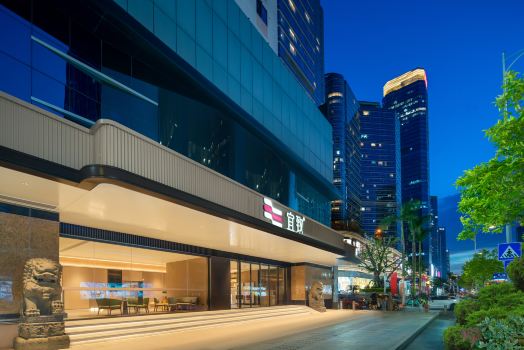
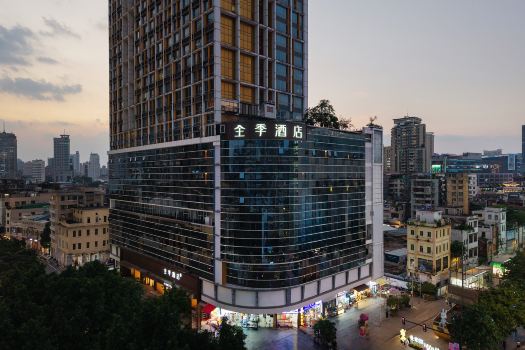
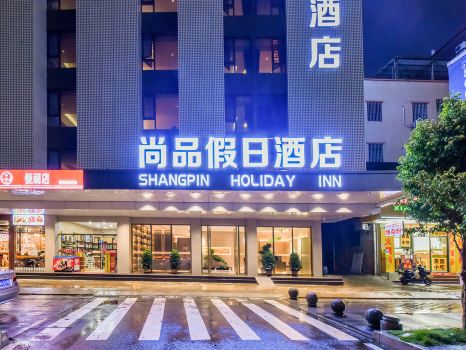
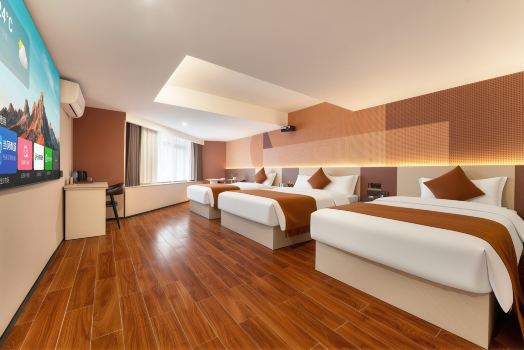
[10% Off] China Hotel Recommendations
Top Shanghai Hotels
Top Beijing Hotels
Top Guangzhou Hotels
See All Hotels







What to Prepare for a Trip to China?
- Visa & Entry Tips China’s 240-hour visa-free transit policy now covers 54 countries, incl. the US, UK, Canada, and Brazil, allowing up to 10 days during layovers. Learn more about China Entry Tips to land in China easily.
- Getting Connected VPNs are vital for accessing Google, WhatsApp, Instagram, etc in China. Set one up before arriving. China eSIMs are the easiest option for data and bypassing restrictions. Pocket Wi-Fi devices work best for group but are pricier and require pickup/return.
- Money Exchange & Tax Refunds Exchange money in China banks (better rates than airports). ATMs accept foreign cards, but notify your bank first. For tax refunds, spend over ¥500 at stores with a "Tax-Free" sign. Keep receipts and get forms stamped at customs before departure.
Must-Have Apps in China
- China Payment Apps Forget cash. Chinese use Alipay (I like it better) or WeChat Pay to pay for everything in China. Scan a QR code at noodle stalls, metros, even temples. Link your foreign Visa/Mastercard before landing.
- China Map Apps Amap (Gaode Map) & Baidu Map (limited English) is what locals use, with real-time navigation, metro/bus routes, and traffic updates. Apple Maps does a good job too if you're already an IOS user.
- China Transport Apps Street taxis are cheap, but drivers rarely speak English. Use China Taxi App like DiDi (China’s Uber)—set your destination in English, pay by Alipay.
- China Travel Apps 15+ China trips taught me: Use Trip.com. It's the best English app for booking China trains/flights/hotels + finds Trip.com deals.
- China Dating Apps Locals use Tantan (China’s Tinder) and Momo. WeChat’s “People Nearby” works too, but expect language barriers unless your Mandarin’s decent.
- China Food App Use Meituan (also helps find nearby restaurants) or Ele.me for food delivery—both have English mode. No English menu in restaurants? Scan the QR with Alipay's translator.
FAQs about Beijing vs Shanghai
-
Which is better, Beijing or Shanghai?
-
What is the prettiest city in China?
-
Is Beijing cheaper than Shanghai?
-
Is Shanghai worth visiting for tourists?
-
Which city is richer, Beijing or Shanghai?
Disclaimer: This article has been provided by an individual contributor or third party platform. If there is any discrepancy regarding the copyright, please contact us directly and we will delete the content immediately.
Trending Topics
-
Popular Flight & Hotel Packages
-
Getting Around
-
Popular Attractions
-
eSIM/SIM card
- Cancun Vacation Packages
- Medellin Vacation Packages
- Tokyo Flight and Hotel
- Koh Samui Flight and Hotel
- Osaka Flight and Hotel
- New Orleans Vacation Packages
- Baguio Vacation Packages
- Dubai Flight and Hotel
- Riga Vacation Packages
- Antalya Flight and Hotel
- London Flight and Hotel
- Shanghai Flight and Hotel
- Placencia Vacation Packages
- St. Augustine Vacation Packages
- Bali Vacation Packages
- Tokyo Metro
- Urumqi Airport
- Shanghai Pudong Airport
- WOWPASS
- Octopus Card Hong Kong
- Beijing Metro
- Japan Taxi App
- Beijing Daxing International Airport
- Beijing Metro Map
- Kunming Airport to City
- Xian Metro Map
- KL MRT Map
- Kyoto Airport
- Hong Kong Airport
- Macau to Hong Kong
- Narita Airport to Shinjuku
- Kunming Airport
- Forbidden City Tickets
- Zhangjiajie National Forest Park
- Shanghai Wild Animal Park
- Shanghai Tower Tickets
- Tianmen Mountain
- Shanghai Disneyland Tickets
- shanghai to wangxian valley
- Huangshan
- Book China Attraction Tickets with Passport
- Canton Tower Tickets
- Shanghai Disneyland Fast Pass
- Universal Studios Beijing Tickets
- Shanghai Disneyland Crowd Forecast
- Summer Palace Tickets
- Great Wall of China Tickets