1688 China Guide 2026: How to Buy and Source Wholesale

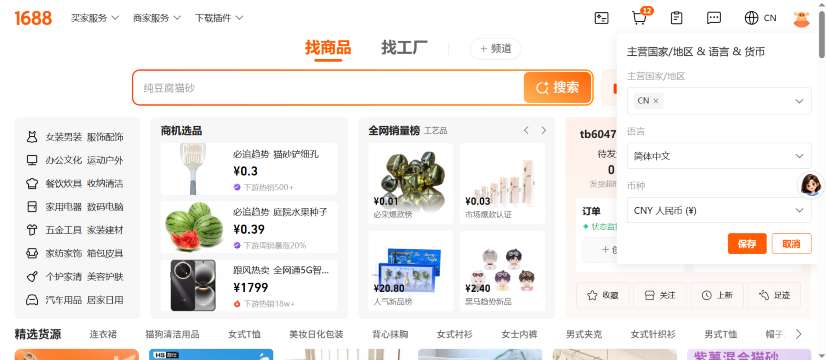
1688 is where China's own retailers buy, which is why it's cheaper than anything export-facing. It's also Chinese-only, priced in yuan, set up for domestic payment and domestic delivery, and almost never ships abroad by itself. If you understand that one sentence, everything else in this guide is just detail.
to Shanghai
to Guangzhou
to Beijing
See all flights

What Is 1688 China?
1688.com is Alibaba Group's domestic wholesale marketplace, and it is the engine room of Chinese retail. It grew out of Alibaba's original Chinese business site in the late 1990s and now connects hundreds of thousands of factories, trading companies and small workshops with domestic buyers who resell their goods on Taobao, Pinduoduo, Douyin shops and offline stores. Everything is in Chinese, everything is priced in yuan, and the whole system assumes you are inside China.
Question | Short answer |
|---|---|
What it's for | Domestic B2B wholesale: factories and traders selling to Chinese resellers |
Language | Chinese only for the main site and app; use browser translation |
Currency | Chinese yuan, with tiered wholesale pricing by quantity |
Minimum orders | Often as low as one piece, especially where dropshipping is supported |
Shipping | Domestic China delivery as standard; international shipping is your problem, not theirs |
Payment | Alipay escrow by default; overseas business payment via WorldFirst's cross-border service, cards occasionally |
Why the Prices Are So Much Lower
There's no export margin, no English-language support cost, no international compliance burden and no Trade Assurance layer baked into the price. You're seeing something close to the domestic wholesale rate, which is why a product that costs US$12 on a Western retail site might sit at ¥18 on 1688. What you give up in return is everything that makes buying easy: English, buyer protection for foreigners, and shipping.
What 1688 Is Not
- It is not a retail site. Many listings sell singles, but the pricing tiers reward volume.
- It is not an export platform. Suppliers ship inside China; you arrange the rest.
- It is not a marketplace with Western-style buyer protection for overseas shoppers. Disputes are handled under Chinese rules and Chinese timelines.
- It is not a place to buy brand-name goods. Counterfeits are a real risk and customs seizures are your problem, not the seller's.
1688 China vs Alibaba.com vs AliExpress vs Taobao


These four get mixed up constantly, and the confusion costs people money. They serve different buyers, different volumes and different levels of hand-holding. Here's the honest comparison.
Platform | Who it's for | Language and currency | Typical volume | Buyer protection | Ships abroad? |
|---|---|---|---|---|---|
1688 | Chinese domestic resellers, dropshippers, factories selling in bulk | Chinese, yuan | 1 piece up to container loads | Chinese escrow rules; limited for foreigners | No, domestic only |
Alibaba.com | International businesses importing in volume | English, USD and others | Usually dozens to thousands of units | Trade Assurance | Yes |
AliExpress | Consumers buying single items | English, multi-currency | One item at a time | Strong buyer protection | Yes |
Taobao | Chinese domestic consumers | Chinese, yuan | Singles | Chinese consumer rules | Via forwarders only |
Which One Should You Use?
- Cheapest possible price and you can handle the friction: 1688. ⭐⭐⭐⭐⭐ on price, ⭐⭐ on convenience.
- You want English, export-ready suppliers and real dispute protection: Alibaba.com. ⭐⭐⭐⭐ on price, ⭐⭐⭐⭐⭐ on convenience.
- You want three samples of a gadget with free shipping: AliExpress. ⭐⭐⭐ on price, ⭐⭐⭐⭐⭐ on convenience.
- You're inside China, or using a forwarder, and want one-off items at local prices: Taobao.
Can You Use Them Together?
That's what most experienced buyers do. They use AliExpress or Alibaba.com to validate a product and get fast samples, then move to 1688 for the real order once they know the specs and the factory. A common playbook is: sample on AliExpress, negotiate and scale on 1688, and use Alibaba.com when a client insists on Trade Assurance.
How to Buy on the 1688 China Website or App
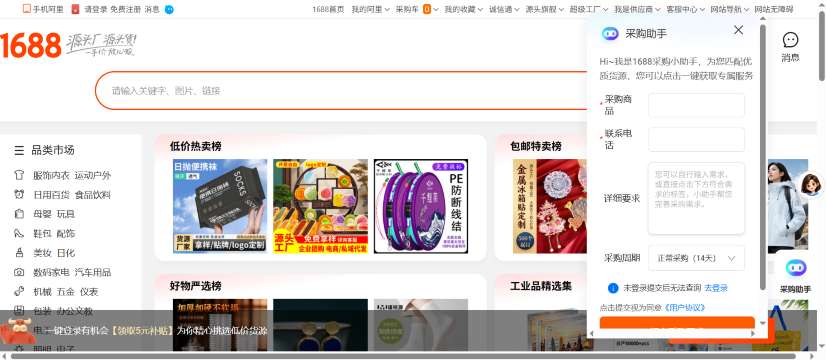
If you're going direct, here's the actual flow. It's not hard, but it is unforgiving of skipped steps, especially around supplier verification.
Step 1: Register and Set Up Payment
- Register with your phone number, selecting your country code in the dropdown. Foreign numbers are supported, though SMS delivery can be flaky.
- A smoother route is to create a Taobao or Alipay account with your number first, then log in to 1688 with that account. It bypasses a lot of registration glitches.
- Payment is the real hurdle. A standard 1688 checkout expects Alipay with a mainland bank card. Overseas businesses can use WorldFirst's cross-border payment service, which does identity verification, lets you top up in your own currency and settles in offshore yuan. International cards appear at checkout on some cross-border listings, but not reliably.
- Install a translation tool. The site is Chinese-only, so browser translation is not optional, it's the interface.
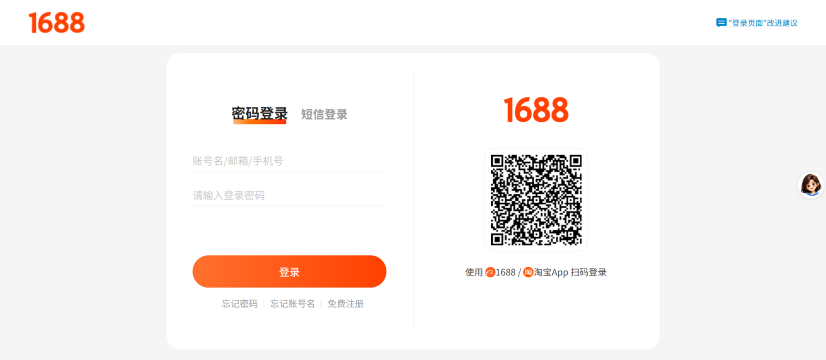
Step 2: Find Products
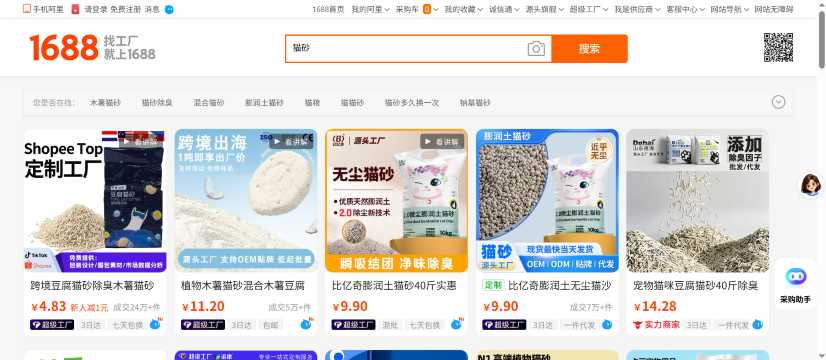
- Keyword search in Chinese works far better than English. Get the product term translated first, then search.
- Image search is the underrated tool: screenshot a product you like and search by image to find the actual factory listings.
- Use the cross-border supply section if you're exporting, since those suppliers already understand foreign requirements and dropshipping.
- Sort by transaction volume and repeat-buyer rate rather than the lowest price. The cheapest listing is often a trading company with no stock.
Step 3: Vet the Supplier
Badge or signal | What it actually means |
|---|---|
诚信通 member | Has paid for a verified business membership. A basic floor, not a guarantee |
实力商家 (the ox-head badge) | Higher tier: real trading or manufacturing company, often audited. Costs the supplier tens of thousands of yuan a year |
超级工厂 / 深度验厂 | Factory-level verification with a third-party on-site audit. The strongest signal on the platform |
回头率 | Repeat purchase rate. High repeat rates usually mean the goods are consistent |
经营年限 and 成交量 | Years on platform and transaction volume. Older and busier is generally safer |
营业执照 | The business licence. Ask for it and check the company against China's national enterprise credit database |
Step 4: Chat, Negotiate and Sample
Message suppliers through 旺旺 (Wangwang), the platform chat, and move to WeChat once you're serious. Ask for the catalogue, the price tiers, the minimum order, the lead time, whether custom packaging is possible, and the cost of samples. Then order samples, pay for them, and test them properly. Never place a production order based on a listing photo.
Step 5: Order, Pay and Consolidate
Place the order through the platform so escrow applies, pay the deposit, and have the goods shipped to your forwarder's warehouse in China rather than to your home country, because they won't ship internationally. Your forwarder receives, inspects, consolidates and forwards. Keep every conversation and receipt, because if something goes wrong, your evidence is your only leverage.
See all attractions
 150424 booked
Pricing, Minimum Orders and Payment Methods on 1688 China
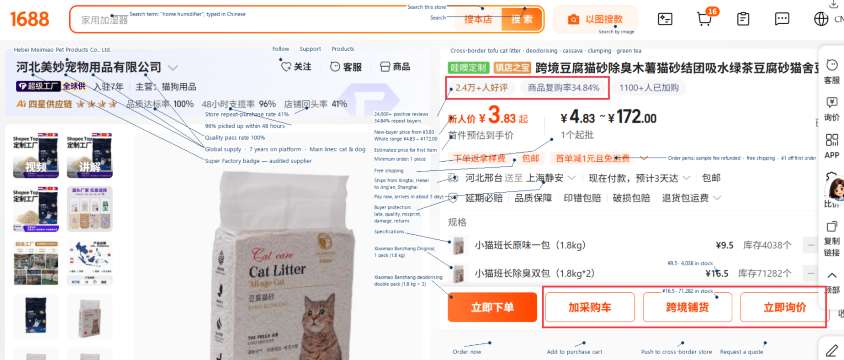
Prices on 1688 are not single numbers, and misunderstanding that is the fastest way to have an awkward conversation with a supplier.
Tiered Pricing and Real Minimums
- Most listings show tiered pricing: a higher unit price for 1 to 10 pieces, a lower one for 100, and the lowest for 1,000 and up.
- The advertised "1 piece" price is real, but it's the sample rate. If you want wholesale pricing, you need wholesale quantity.
- Cross-border listings often include 一件代发, meaning the supplier will ship single units to your forwarder as orders come in. That's how dropshipping from 1688 works.
- Ask whether the quoted price is 含税 (tax included) or 不含税, and whether they can issue a VAT invoice, which matters for companies and for export rebates.
Payment Methods, Ranked by Realism
Method | Who can use it | My take |
|---|---|---|
Alipay escrow with a mainland bank card | Anyone with a Chinese bank account | The default and the safest, because funds release on confirmation |
WorldFirst cross-border payment | Registered overseas businesses | The official route for foreign companies; needs KYC and a linked 1688 account |
International cards | Some buyers on some cross-border listings | Inconsistent. Never assume it will work at checkout |
Sourcing agent or forwarder | Individuals and small buyers | The pragmatic default for most overseas buyers |
Direct bank transfer to the supplier | Anyone, in theory | No escrow, no platform protection. Only for suppliers you've already vetted and used |
The Deposit Norm
For production orders, a 30 percent deposit with the balance before shipping is standard. Be wary of anyone demanding 100 percent upfront, and be equally wary of anyone who won't take a deposit at all, because that usually means they have no production capacity to commit.
Shipping from 1688 China: Domestic Forwarding and International Freight
Suppliers ship inside China, full stop. Your job is to get the goods from a Chinese warehouse to your door, and that means a forwarder.
The Domestic Leg
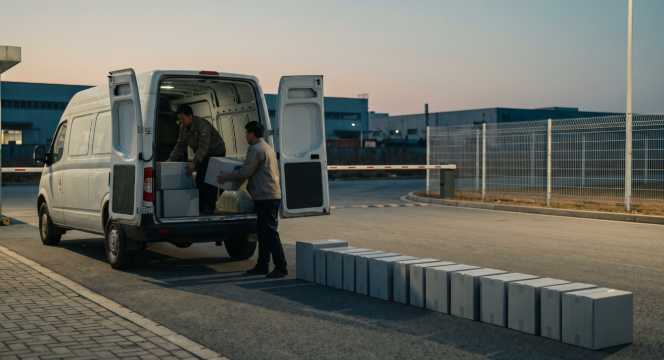
You ask the supplier to send the goods to your forwarder's warehouse in Shenzhen, Guangzhou, Yiwu or Ningbo. Domestic couriers here are fast and cheap — one to four days across most of the country, and often free above a threshold. Send your warehouse code with the address, because forwarders receive hundreds of parcels a day and unlabelled ones go missing.
International Modes Compared
Mode | Typical transit | Cost level | Best for |
|---|---|---|---|
Express courier (DHL, FedEx, UPS) | 3 to 7 days | Highest | Samples and urgent small shipments |
Cross-border e-commerce lines | 7 to 15 days | Moderate | Parcel-sized orders for e-commerce sellers |
Air freight | 7 to 15 days | High | Medium volumes where speed matters |
Sea LCL (shared container) | 25 to 40 days | Low | Bulky or heavy goods, anything you can wait for |
Sea FCL (full container) | 25 to 40 days | Lowest per unit | Large orders |
Rail to Europe | 18 to 25 days | Moderate | Europe-bound goods between air and sea on cost |
Costs and Compliance That Catch People Out
- Chargeable weight is whichever is greater, actual or volumetric. Repacking to reduce empty space genuinely cuts your bill.
- Duties, VAT and clearance fees are on top of freight. Low-value import thresholds in the US and EU have been tightening, so check the current rules for your country before you ship rather than after.
- Batteries, magnets, liquids, powders and aerosols need special channels and cost more. Ask before ordering, not at the warehouse.
- Counterfeit and branded goods get seized. If a supplier offers a "replica", walk away, because the loss is yours.
- Get your forwarder's quote in writing, including the destination charges, before the goods leave the factory.
Who Uses 1688 China? Buyers, Resellers and Travellers
The platform is built for Chinese domestic buyers, but the actual user base is wider than that, and knowing which group you're in tells you how much help you'll need.
Buyer type | What they buy | How they operate |
|---|---|---|
Taobao and Douyin sellers | Anything they resell domestically | Direct 1688 account, dropshipping where supported |
Cross-border e-commerce sellers | Products for Amazon, Shopee, TikTok Shop, Temu and their own stores | Use the cross-border supply section, then a forwarder or agent to ship out |
Small brands and product developers | Custom and private-label goods | Find factories, negotiate OEM or ODM, place trial orders |
Resellers and offline shop owners | Bulk stock at low prices | Order, consolidate, forward by sea or air |
Overseas buyers without a Chinese setup | Samples and small batches | Almost always through a sourcing agent or forwarder |
Travellers and curious shoppers | Souvenirs, electronics, gifts | Browse 1688 for prices, then buy in the physical markets instead |
The Group You Belong To Matters
If you're in the last two rows, don't fight the platform. Registration may work with a foreign phone number, but payment and shipping usually won't, and you'll burn a week learning that. An agent costs 5 to 10 percent and removes almost every friction point. That's a fair trade for a first order.
How to Sell on the 1688 China Website or App
Selling on 1688 is a domestic Chinese business activity, not an export channel. That single fact decides whether it's realistic for you.
What You Need
- A valid Chinese business licence, either a company or an individual sole proprietorship, with a business scope covering what you sell.
- A real-name verified business account and an Alipay account tied to the business or its legal representative.
- A category-appropriate deposit, usually a few thousand to ten thousand yuan, refundable if you close without violations.
What It Costs
Store type | Licence needed | Annual fee | Deposit |
|---|---|---|---|
诚信通 basic store | Company or individual sole proprietorship | ¥6,688 per year, or ¥9,988 for the AI version launched in 2025 | Roughly ¥3,000 to ¥10,000 depending on category |
实力商家 (higher tier) | Company licence, often with manufacturing or brand qualifications | About ¥36,800 per year | About ¥16,000 locked in Alipay |
The Foreign Seller Reality
Without a Chinese entity, a Chinese business licence and a Chinese bank or Alipay setup, you cannot realistically open a 1688 store. If your goal is to sell to overseas buyers rather than Chinese ones, Alibaba.com is the platform built for that, and it accepts international sellers far more readily. Some overseas brands get around this with a Chinese partner or a local entity, but that's a business structure decision, not a weekend project.
Top Product Categories to Source on 1688 China
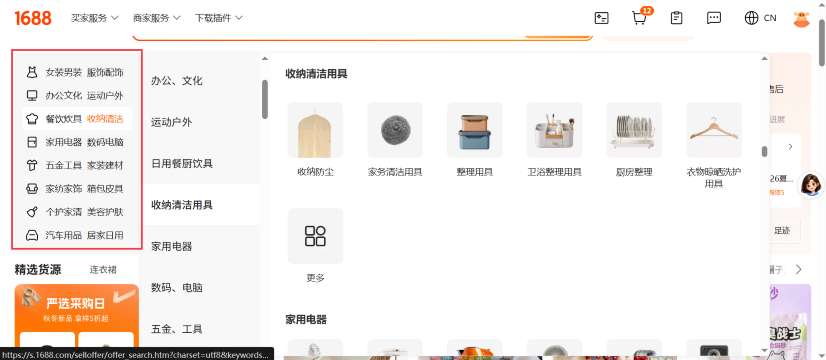
Almost everything is on 1688, but some categories are dramatically better value than others and some are best avoided unless you know exactly what you're doing.
Category | Where it clusters | My take |
|---|---|---|
Apparel, knitwear and accessories | Guangzhou, Yiwu, Hangzhou | Enormous choice, fast trends, but sizing and quality vary wildly. Order samples. ⭐⭐⭐⭐ |
Small commodities: gifts, stationery, party and festival goods | Yiwu | The world's deepest selection and the easiest category to buy profitably. ⭐⭐⭐⭐⭐ |
Electronics, components and phone accessories | Shenzhen | Unbeatable for parts and accessories; be careful with storage devices and branded goods. ⭐⭐⭐⭐ |
Home, kitchen and storage goods | Yiwu, Jieyang, Chaozhou | Reliable margins, easy to ship, low breakage. ⭐⭐⭐⭐⭐ |
Textiles and fabric | Shaoxing Keqiao, Guangzhou Zhongda | Cheap but sold by the metre or kilo; MOQs and colour consistency are the issues. ⭐⭐⭐ |
Bags, luggage and leather goods | Guangzhou, Baigou | Great value, watch trademarked designs. ⭐⭐⭐⭐ |
Furniture and ceramics | Foshan | Cheap product, expensive freight. Only works at volume by sea. ⭐⭐⭐ |
Toys and hobby goods | Shantou Chenghai | Excellent value; safety certification for children's products is on you. ⭐⭐⭐⭐ |
Beauty tools, jewellery and hair goods | Yiwu, Qingdao, Xuchang | High margin, low weight, popular with dropshippers. ⭐⭐⭐⭐⭐ |
Hardware tools and kitchen hardware | Yongkang, Yiwu | Heavy, so freight matters, but very competitive pricing. ⭐⭐⭐⭐ |
What to Avoid as a Beginner
- Branded electronics and designer replicas: seizure and legal risk, zero protection.
- Anything with a lithium battery on your first order: shipping complexity multiplies.
- Consumables with regulatory requirements such as food, cosmetics and medical devices, unless you've done the compliance homework.
- Very heavy or very bulky low-value items, where freight can exceed the product cost.
1688 Sourcing Workflow from Idea to Repeat Order
This is the process I'd follow for any product, and it's roughly what a good agent does on your behalf. Skipping steps is how people lose money.
- Define the product precisely: material, dimensions, weight, packaging, certification, target landed cost and target quantity.
- Search 1688 with translated keywords and image search, then shortlist five to ten suppliers who sell exactly that product rather than a vague approximation.
- Verify each supplier: business licence, platform badges, years active, transaction volume, repeat-buyer rate and response quality.
- Contact three to five, describe your requirement in one short message, and ask for a quotation with MOQ, lead time, sample cost and packaging options.
- Order samples from the best two or three, pay for them, and test them against your own spec rather than against the photo.
- Negotiate price tiers, MOQ, deposit, delivery schedule and defect policy, and get it in writing.
- Place a small trial order through the platform so escrow applies.
- Inspect before paying the balance, either yourself at the forwarder's warehouse or with a third-party inspector.
- Consolidate and forward, with the forwarder checking quantities and condition on arrival.
- Only then scale up, and consider asking about customisation once you're a proven repeat buyer.
Do You Need a Sourcing Agent for 1688? Costs, Red Flags and When to Skip One
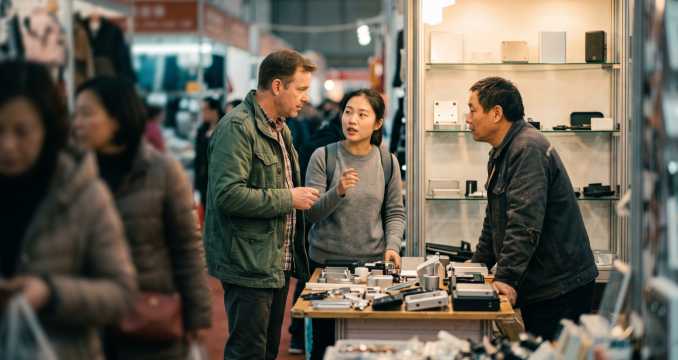
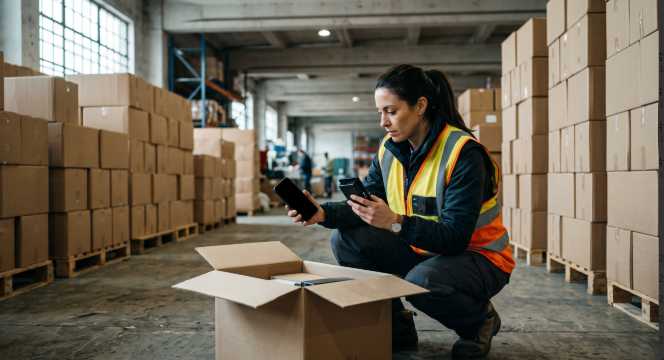
An agent is a translator, buyer, quality checker and shipping coordinator rolled into one. For most overseas buyers, the honest answer is yes for the first few orders, and increasingly optional as you learn the ropes.
Typical Costs
Model | Typical rate | When it makes sense |
|---|---|---|
Commission on order value | 5 to 10 percent for small and mid-sized orders | The standard arrangement for most buyers |
Reduced commission at scale | 3 to 5 percent above roughly US$50,000 | Larger, simpler orders |
Higher rate for complex work | 10 to 15 percent with labelling, repackaging or product development | Amazon FBA prep and custom items |
Flat project fee | Around US$500 to US$3,000 | Supplier vetting, factory audits, sample sourcing |
Daily or hourly | Around US$100 to US$300 per day | Market visits, interpreting, short assignments |
Quality inspection | Roughly US$150 to US$300 per inspector-day | Always, before the balance payment on a real order |
How to Choose One
- Ask for a written fee structure with no hidden supplier markups.
- Insist on photos and video from the factory, and on paying suppliers through traceable channels.
- Check whether they hold your money in escrow or just pass it on, and get that in writing.
- Start with a small paid test order, not a container.
Red Flags
- Commission under 3 percent, or "free" sourcing. They're making money somewhere you can't see, usually a factory markup.
- No contract, no receipts, or requests to pay into a personal WeChat or Alipay account.
- Refusal to share factory names or addresses, which makes independent verification impossible.
- Vague answers on inspection, consolidation and freight charges.
When to Skip an Agent
If you're buying a single sample, or you already have a Chinese entity, a Chinese bank account and a reliable forwarder, you can do it yourself and save the commission. If you're placing a first production order for a product you'll resell, the fee is cheap insurance.
How to Contact Factories and Actually Get Replies on 1688
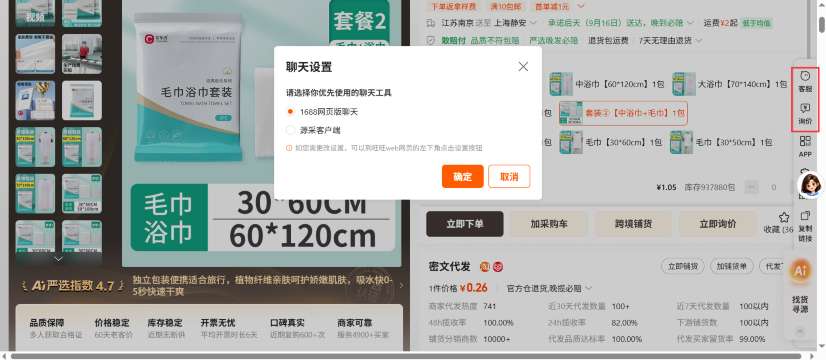
Suppliers get a lot of useless messages, so the first one decides whether you get a response. Write like a buyer, not a browser.
Where to Talk
- 旺旺 (Wangwang): the platform's own chat. Use it for first contact, because it's tied to the store and the platform can see the conversation.
- WeChat: once you're serious, move here. Chinese business runs on WeChat, including quotations, production photos and repeat orders.
- Email: useful for formal documents and purchase orders, but slow and often ignored for day-to-day business.
The First Message That Works
- State the product, the specification, the quantity and the destination country in the first two lines.
- Ask for a quotation with MOQ, lead time, sample cost and whether customisation is possible.
- Mention if you're a repeat buyer in the category, or if you're placing a trial order before scaling.
- Keep it short and specific. "What's your best price" gets ignored; "1,000 units, 500ml, matte finish, ship to Shenzhen warehouse, please quote" gets answered.
Questions Worth Asking Every Time
- Are you the factory or a trading company? Ask for the business licence and a factory video.
- What is the real MOQ, and what does the price look like at 100, 500 and 5,000 units?
- What's the production lead time, and how much buffer should I add for peak season?
- Is the price tax-inclusive, and can you issue a VAT invoice?
- What are the packaging dimensions and gross weight per carton?
- Have you exported to my country before, and can you handle the certification I need?
Customisation, OEM and ODM on 1688 China
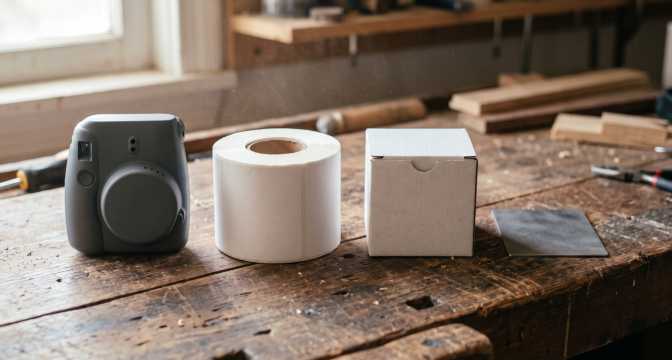
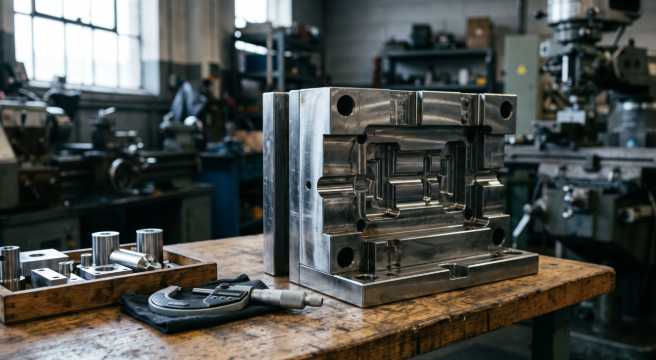
Customisation is where 1688 gets genuinely exciting, and where beginners get burned by assuming it's free and fast.
OEM vs ODM
- OEM means they make your product to your specification and put your logo on it. You bring the design.
- ODM means they have an existing product you can rebrand and modify. Faster and cheaper, far less unique.
- Private label is the lightest version: their existing product, your logo and packaging.
What Customisation Costs
Item | Typical reality |
|---|---|
Sample or proofing fee | Charged per sample, often a few hundred to a few thousand yuan depending on complexity, sometimes credited against the production order |
Mould or tooling fee | For plastic and metal parts, often thousands to tens of thousands of yuan, amortised over the order |
Custom packaging MOQ | Frequently 500 to 1,000 units minimum for printing or boxes |
Logo methods | Printing, heat transfer, embroidery or laser, each with its own cost and minimum |
Lead time | Add two to four weeks to a standard order on top of sampling time |
The Traps
- Trademarked characters, logos and designs are a hard no. Chinese factories will often make them; customs and platforms will not be sympathetic.
- Verbal agreements mean nothing. Get specifications, tolerances and defect definitions into a written order confirmation.
- Sampling is not a formality. If the sample is wrong, the mass production will be wrong, and fixing it after the fact costs more than the tooling.
- Confirm who owns the mould. If you paid for it, ask for it in writing, though physically retrieving it is another matter.
Quality Control and Inspections Before You Ship
The cheapest quality control is the inspection you do before paying the balance. Once the goods are on a ship, your leverage is gone.
- Inspect at the factory or at the forwarder's warehouse, before the balance payment, not after arrival.
- Use a proper sampling standard rather than checking a few boxes. AQL 2.5 is the usual starting point for consumer goods.
- Third-party inspection firms charge roughly US$150 to US$300 per inspector-day in major manufacturing hubs, and deliver a photo and video report within a day.
- Brief the inspector with your own specification, and require photos of packaging, labels and cartons as well as the product.
- If defects exceed the agreed limit, negotiate a discount or a rework rather than accepting the shipment and hoping.
Is 1688 China Legit? Scams, Safety and How to Protect Yourself
The platform is legitimate, it's Alibaba's, and millions of domestic buyers use it daily. The risk lives with individual suppliers, and the most common scams are predictable once you know them.
Scam or risk | Warning signs | How to protect yourself |
|---|---|---|
Off-platform payment request | "Pay my personal WeChat or Alipay to get a discount" | Refuse. Pay through the platform so escrow applies, or to a company bank account whose name matches the business licence |
Bait and switch on quality | Great sample, vague answers about production standards | Pay for samples, inspect production, and define acceptable defects in writing |
Fake or inflated verification | Claims of factory status with no audit badge or licence | Demand the business licence, check it on China's enterprise credit database, and require a live video tour |
Low price, hidden fees | A price far below every other supplier | Ask for the full landed quote including packaging, inland freight and taxes before ordering |
Disappearing deposit | Pressure to pay fast, refusal to use escrow, new account | Use escrow or a small trial order first, and never wire money to a personal account |
Counterfeit goods | "Same as the original", branded logos at unthinkable prices | Walk away. Seizure, fines and platform bans are your problem, not theirs |
Fake forwarder | Cheap rates, no tracking, no company details | Use a forwarder with a verifiable company, written quotes and tracking, and never hand over goods without a receipt |
What the Platform Will and Won't Do for You
- It will hold funds in escrow on platform orders, and it will mediate disputes under Chinese rules.
- It will not chase a supplier across borders for you, and it will not compensate you for counterfeit goods seized by customs.
- Record everything: chat logs, quotes, order confirmations, payment receipts and inspection reports. If a dispute happens, evidence is the whole case.
Visiting China's Wholesale Markets in Person
Everything sold on 1688 exists physically somewhere, and a sourcing trip to the right city can compress months of online back-and-forth into three days. These are the hubs that matter most for international buyers.
Yiwu, Zhejiang: The World's Largest Small Commodities Market
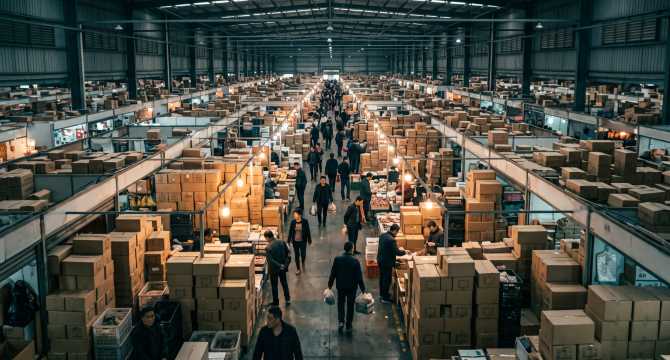
Yiwu is the capital of cheap, cheerful, high-volume consumer goods, and the International Trade City is genuinely staggering: five connected districts plus newer additions, more than 75,000 booths and over 100,000 suppliers under one sprawling roof. If you sell gifts, stationery, party supplies, hair accessories, kitchen gadgets, socks or toys, this is the single most productive place in China to spend a day.
District | What's in it |
|---|---|
District 1 | Toys, artificial flowers, jewellery, hair accessories, festival crafts, home décor |
District 2 | Luggage and bags, umbrellas, hardware tools, kitchenware, clocks, small appliances |
District 3 | Stationery, office supplies, sporting goods, cosmetics, eyewear, garment accessories |
District 4 | Socks, hosiery, knitwear, footwear, belts, scarves, underwear, daily necessities |
District 5 | Imported goods, bedding and home textiles, fabrics, auto parts |
- Hours: roughly 9am to 5pm, Monday to Saturday. Most booths are shut on Sundays and the whole market closes for two to three weeks around Chinese New Year.
- Best window: 9am to noon, when vendors are fresh and willing to negotiate.
- Getting there: Yiwu has its own high-speed rail station, roughly 30 to 40 minutes from Hangzhou and 1.5 to 2 hours from Shanghai, and a small airport about 15 to 20 minutes from the market. Buses 801 and 102 connect the station and airport.
- Practical tips: bring business cards and a WeChat QR code, hire a local interpreter for the day if you don't speak Chinese, collect samples rather than buying on the spot, and use the market's own logistics counters to send goods to your forwarder.
Guangzhou, Guangdong: Electronics, Textiles and the Canton Fair
Guangzhou is the most complete sourcing city in China: trade fairs, apparel wholesale, fabric markets and electronics all within one metro network. If you only have time for one sourcing trip, most buyers choose here.
- Canton Fair: the China Import and Export Fair runs twice a year at the Pazhou complex, roughly 15 April to 5 May and 15 October to 4 November, split into three phases by category, daily from about 9:30am to 6pm. Phase one is electronics, machinery and hardware; phase two is home, gifts and décor; phase three is apparel, textiles, shoes, bags, toys and food. Book hotels months ahead.
- Zhongda fabric market: the world's largest fabric and trims cluster, in Haizhu near Sun Yat-sen University station. Sold by the metre or kilo, with sample cards you can collect for free, and small workshops nearby that can run up a sample garment in days.
- Shisanhang: fast-fashion womenswear in Liwan, anchored by the New China Building. It opens around 7am and is largely done by early afternoon. Expect minimums of three to five pieces per colour and a sample price if you only want one.
- Baima: mid to high-end apparel opposite Guangzhou Railway Station, more like an air-conditioned mall, and more used to boutique and international buyers than the street markets.
Shenzhen: Tech, Electronics and Manufacturing Hub
Shenzhen is where the world's electronics are designed, prototyped and assembled, and Huaqiangbei is its beating heart. The anchor is SEG Plaza on Huaqiang North Road, a ten-floor electronics bazaar with thousands of booths across more than 50,000 square metres, open roughly 9:30am to 6:30pm daily.
- Lower floors: discrete components, chips, sensors, LEDs and connectors.
- Middle floors: development boards, repair tools, phone screens and batteries.
- Upper floors: PC hardware, peripherals, cameras, networking gear and bulk supplier desks.
- Nearby: the SEG Communications Market and Huaqiang Electronics World for phone accessories and cases.
- Buying tips: prices are negotiable, especially in multiples. WeChat Pay and Alipay rule, so set those up first. Be cautious with memory cards, SSDs and branded GPUs or phones, and verify capacities and authenticity before paying.
Other Cities Worth Knowing
City | Speciality |
|---|---|
Foshan | Furniture, ceramics, lighting and building materials |
Dongguan | Electronics assembly, plastics, moulds and tooling |
Shaoxing (Keqiao) | Fabrics, curtains and textile printing |
Nantong (Dieshiqiao) | Home textiles, bedding and towels |
Wenzhou | Shoes, leather goods, eyewear and lighters |
Shantou (Chenghai) | Toys and plastic products |
Yongkang | Hardware, tools and kitchenware |
Xuchang | Wigs and hair extensions |
Best Time to Visit China for a Sourcing Trip
Timing affects three separate things: whether the fairs are on, whether the weather is bearable, and whether factories are actually running. Get all three wrong and you'll fly home with nothing but business cards.
Period | What's happening | Verdict |
|---|---|---|
Mid-April to early May | Spring Canton Fair, mild weather | ⭐⭐⭐⭐⭐ the single best sourcing window, but book early and expect expensive hotels |
Mid-October to early November | Autumn Canton Fair, cool and comfortable | ⭐⭐⭐⭐⭐ equally strong, though National Day week is chaotic |
March and September | Factories in full swing, no fair crowds | ⭐⭐⭐⭐ excellent for factory visits rather than markets |
July and August | Christmas production peak, hot, humid, typhoon season in the south | ⭐⭐⭐ factories are busy but everything takes longer |
Late January to February | Chinese New Year: factories shut two to four weeks, supply chains disrupted for up to eight | ⭐ avoid entirely for sourcing |
1 to 7 October | National Day holiday, everything crowded, many businesses closed | ⭐ avoid for work |
1 to 5 May | Labour Day holiday | ⭐⭐ busy and pricier, workable around the edges |
Chinese New Year Is the Big One
In 2026 the holiday falls on 17 February, and the disruption is far longer than the official days off. Factories wind down one to two weeks before, close completely for two to three weeks, and only return to full capacity around the Lantern Festival in early March. If you're planning a spring order, place it in January or wait until mid-March. Planning around the holiday is the single most useful scheduling habit in Chinese sourcing.
Practical Tips for Your China Sourcing Trip
The logistics of being a foreign buyer in China have got much easier in recent years, but a few things still trip people up.
Visas and Entry
- China's 240-hour, ten-day visa-free transit covers 55 countries including the US, UK, Canada, Australia, Japan, Korea, Singapore and most of Europe, but it requires a genuine onward ticket to a third country and entry through designated ports.
- Many passports also qualify for unilateral visa-free entry for short stays. Rules and country lists change often, so check your nearest Chinese embassy before booking.
- If you're meeting suppliers, visiting factories and signing contracts, a business visa is the safer, cleaner option.
Money and Apps
- Set up Alipay and WeChat Pay before you fly, linked to an international card. They work almost everywhere now, including market stalls.
- WeChat is your business tool, not just a chat app. Suppliers send quotations, photos and delivery updates there.
- Carry a little cash as backup for the rare vendor who doesn't take mobile payment.
Internet and Communication
- Google, WhatsApp, Instagram and Facebook are blocked in mainland China. Arrange a VPN before you arrive, or rely on an international roaming plan or travel eSIM, which often routes around the blocks.
- Install a translation app with offline Chinese, and download the offline language pack before you land.
- Keep a screenshot of your hotel address in Chinese. You'll show it to taxi drivers more than once.
Getting Around and Staying
- High-speed rail is the fastest way between sourcing cities: Guangzhou to Shenzhen is about half an hour, Hangzhou to Yiwu about 40 minutes, Shanghai to Yiwu under two hours. Book with your passport.
- Didi is the ride-hailing default and works in English. Metro systems in Guangzhou and Shenzhen are excellent.
- Not every hotel accepts foreign guests. Filter for hotels that do when booking, and keep your passport with you at all times.
Market Etiquette and Negotiation
- Exchange WeChat contacts rather than email. It's how business continues after you leave.
- Don't open with a demand for the lowest price. Ask about products, build a little rapport, then discuss terms.
- Order samples rather than negotiating a big order on the spot. Vendors respect a buyer who tests first.
- Use a calculator or a phone screen to negotiate numbers; it avoids misunderstandings.
- Document everything in writing, including what was agreed verbally, and get it confirmed in WeChat before you leave.
🔥[Discount] Best China Hotel Recommendations
Top Shanghai Hotels
Top Beijing Hotels
Top Guangzhou Hotels
See All Hotels







FAQs about 1688 China
-
What is 1688 China and how does it work?
-
Is 1688 China safe and legitimate for international buyers?
-
Can foreigners buy directly from 1688 China?
-
What is the difference between 1688 China and Alibaba?
-
Which cities in China are best to visit for wholesale sourcing?
-
Does 1688 China ship internationally?
-
When is the best time to visit China for a sourcing trip?
-
Is there an English version of 1688 China?
Disclaimer: This article has been provided by an individual contributor or third party platform. If there is any discrepancy regarding the copyright, please contact us directly and we will delete the content immediately.
Trending Searches
-
Air Travel Guide
-
Latest Flight Deals
-
Popular Flight & Hotel Packages
-
Getting Around
-
eSIM/SIM card
- Medellin Vacation Packages
- Hong Kong Vacation Packages
- Tokyo Flight and Hotel
- Koh Samui Flight and Hotel
- Hong Kong Flight and Hotel
- Labuan Bajo Vacation Packages
- Langkawi Vacation Packages
- New York Vacation Packages
- Busan Vacation Packages
- Tenerife Vacation Packages
- Liverpool Vacation Packages
- Macau Vacation Packages
- Cuenca Vacation Packages
- Trabzon Vacation Packages
- Acapulco Vacation Packages
- Kansai Airport to Nara
- Chitose Airport to Sapporo
- JR Shikoku
- Chengdu Metro
- Telepass
- Beijing Metro
- Tokyo Transportation
- Suvarnabhumi Airport Transfer
- Ningbo Airport
- How to get to Great Wall of China
- Xiamen Metro
- Suzhou Metro Map
- Shanghai Pudong Airport Transit
- Gimpo Airport to Seoul
- Narita Airport to Shinjuku
- Macau to Hong Kong
- Qingdao Airport